ASIPP Wins Bid for Installation Project of ITER Tokamak Vacuum Vessel Internal Diagnostic, Fuel Injection and Measurement System (IDFI)
Wedoany.com Report on Mar 13th, Recently, the Institute of Plasma Physics of the Hefei Institutes of Physical Science, Chinese Academy of Sciences (hereinafter referred to as "ASIPP"), in collaboration with Shandong Nuclear Power Equipment Manufacturing Co., Ltd., successfully won the bid for the installation project of the ITER Tokamak vacuum vessel internal diagnostic, fuel injection and measurement system (IDFI). This marks a significant breakthrough for ASIPP in the field of nuclear-related installation for the core of fusion reactors.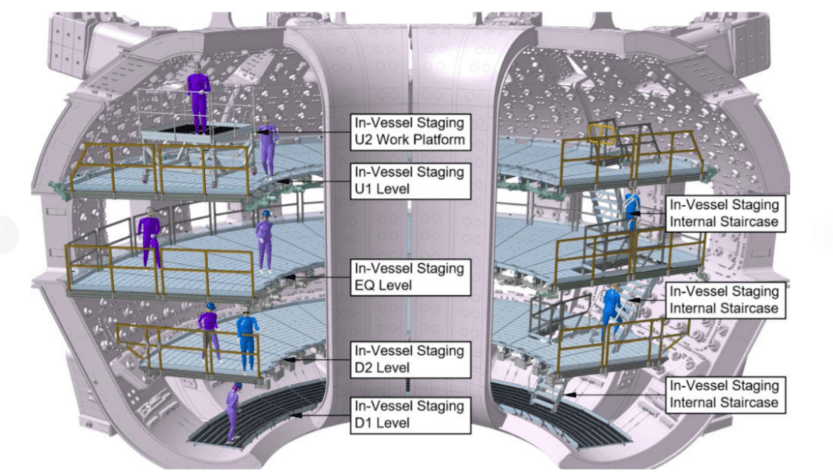
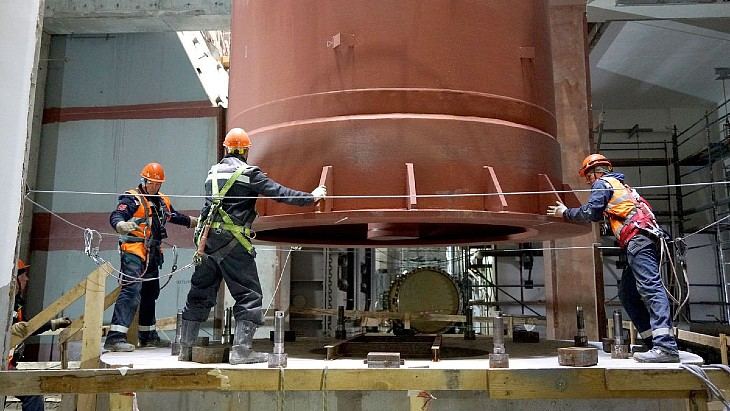
The IDFI project covers 9 vacuum vessel sectors and over 50 work packages of the ITER Tokamak device. It primarily involves the high-precision assembly of key components such as the internal diagnostic system, high-precision magnetic sensors, diagnostic-specific cable bundles, waveguide transmission systems, and the supporting installation of the fuel injection system. The project focuses on the precise installation of the diagnostic system inside the vacuum vessel of the nuclear fusion device and is considered the "nerve center" project for the construction of the ITER device. The project imposes extremely high requirements on installation accuracy, reliability, and cleanliness. The construction process must comply with the French Nuclear Pressure Equipment (ESPN) regulations and the ITER Quality Class 1 (QC1) standard, while simultaneously completing challenging procedures such as specialized welding, foreign material exclusion (FME), and nuclear pressure equipment (NPE).
This successful bid stems from decades of technical accumulation and engineering practice by the EAST (Experimental Advanced Superconducting Tokamak) diagnostic team at ASIPP. Leveraging the EAST device, the team has accumulated extensive experience in the design, development, assembly, and operation and maintenance of diagnostic systems. During the bidding phase, the team conducted multiple rounds of technical research focused on precision installation processes and quality assurance systems, ultimately formulating a technical solution that meets ITER's stringent standards. By capitalizing on their outstanding advantages in precision assembly and engineering implementation, they ultimately won this international tender. This success is not only a milestone for ASIPP in the field of fusion diagnostic engineering installation but also a crucial step for China's transition from "diagnostic component manufacturing" to "diagnostic system integration."
As one of the core units of the ITER China Domestic Agency, ASIPP started by undertaking a 3% share of ITER diagnostic tasks. It has successively won bids for projects such as the window plug frame and window general parts manufacturing, gradually expanding into system integration and installation. Its international influence in the core field of fusion engineering continues to grow. In the future, the team will continue to leverage its technical advantages, collaborate with China's leading forces, and advance the implementation of the IDFI project with high quality, contributing Chinese wisdom and solutions to the smooth progress of the ITER program and the development of fusion energy for humanity.
Related Products
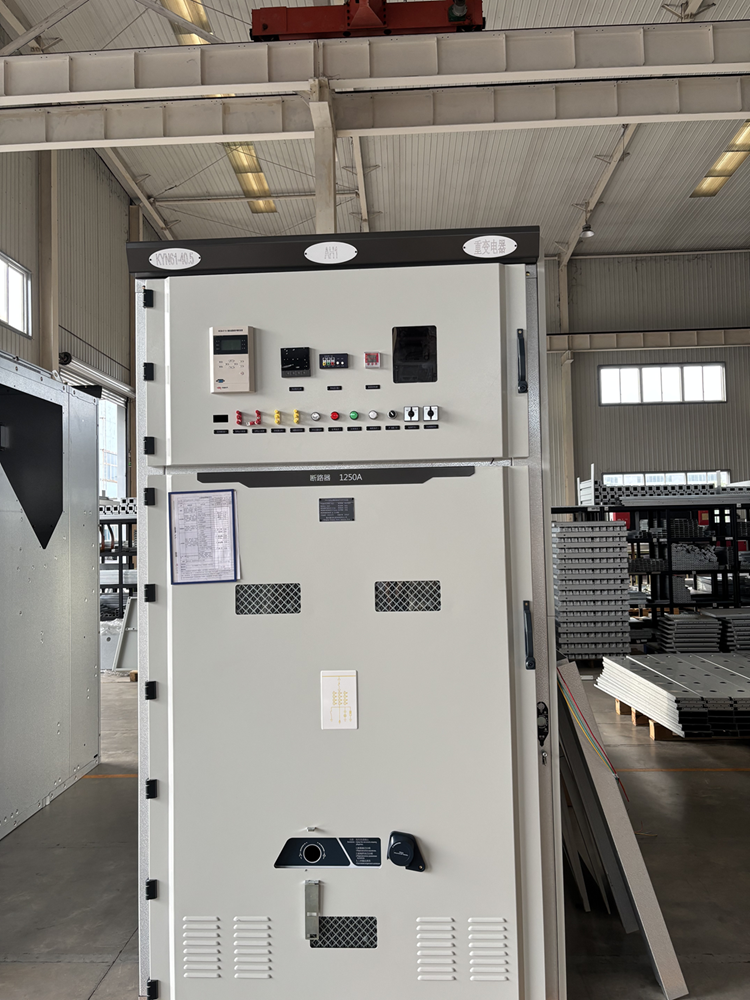

KYN61-40.5 Indoor AC Metal-clad Removable Switchgear
Chongqing Transformer Co., Ltd.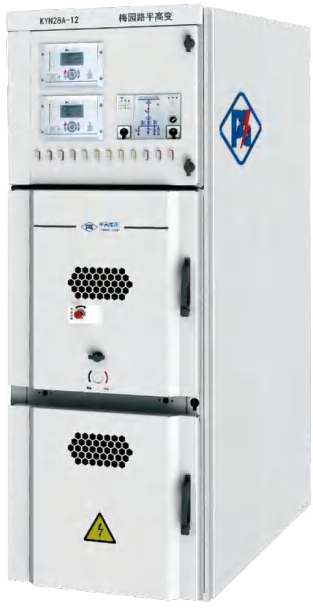
KYN28A-12 Metal Armored Removable Switchgear
Tianjin Ping Gao Intelligent Electric Co., Ltd.
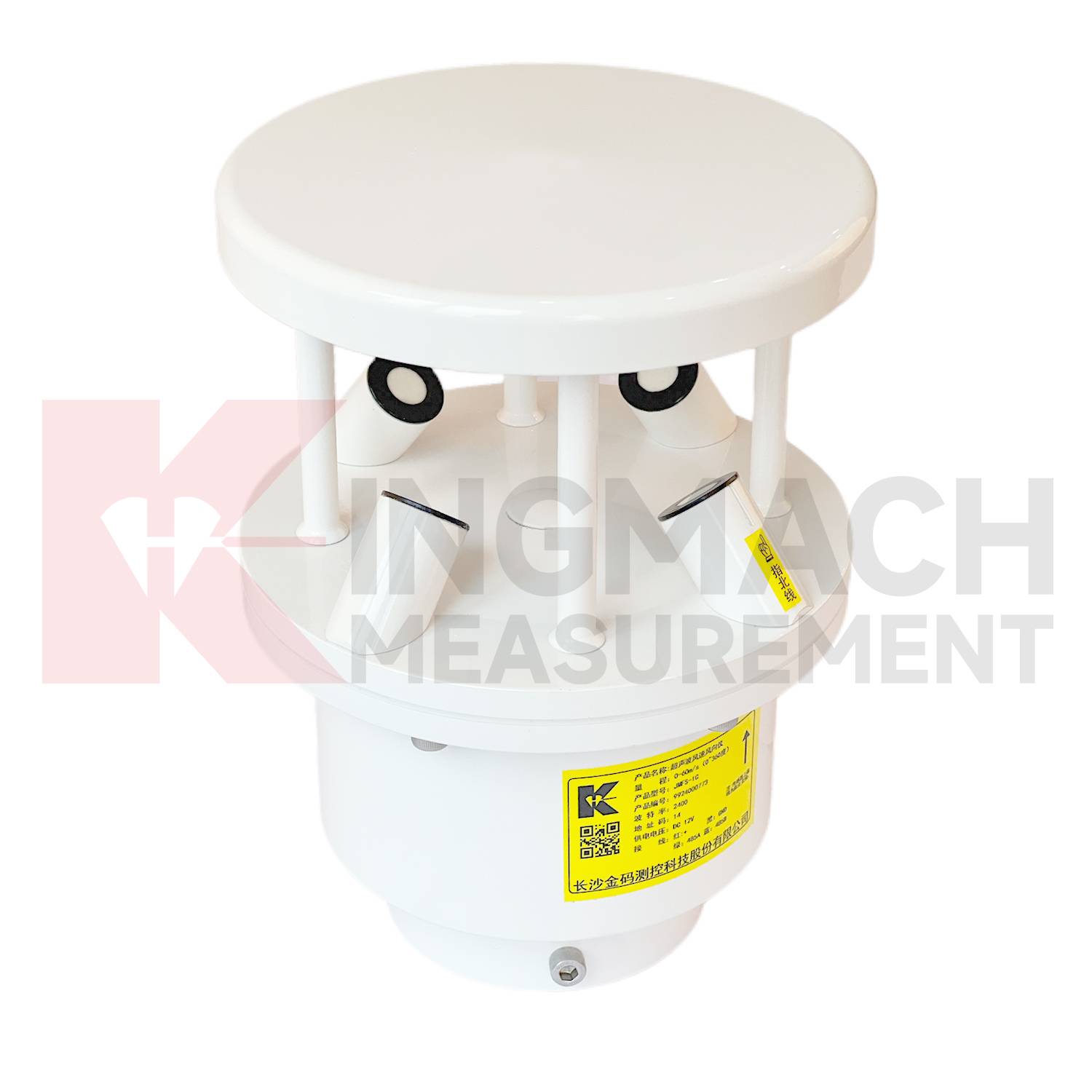
Ultrasonic Wind Speed and Direction Instrument
Kingmach Measurement & Monitoring Technology Co., Ltd.