Middle East Aluminum Supply Disruption Impacts U.S. Scrap Metal Market, Prompting Rapid Adjustments in Procurement Strategies
en.Wedoany.com Report on Mar 24th, The global commodity market operates through complex supply chain networks, where supply disruptions in one region can trigger ripple effects throughout the industrial sector. The aluminum industry exemplifies this vulnerability, with production networks spanning continents and reliant on stable geopolitical conditions for efficient operation. When conflicts in the Middle East threaten trade routes, the U.S. scrap metal market quickly responds to aluminum supply disruptions, forcing market participants to adjust procurement strategies and cope with price volatility.
The concentration of aluminum smelting capacity in geopolitically sensitive regions creates systemic risks that extend beyond the directly affected areas. The Middle East has developed energy-intensive smelting operations using subsidized energy to achieve competitive production costs. This regional specialization has led to global supply chains becoming dependent on, and vulnerable to, significant disruption risks. Middle Eastern aluminum producers have captured substantial market share through strategic investments, altering the global competitive landscape but also introducing vulnerabilities that affect multiple jurisdictions.
Primary aluminum supply constraints trigger immediate reactions in secondary markets. As the availability of unprocessed aluminum diminishes, manufacturers turn to recycled materials, creating demand pressure that quickly translates into price adjustments in the scrap metal market. The U.S. scrap metal market responds to Middle Eastern aluminum supply disruptions through multiple transmission channels, with rolling mills and extrusion facilities adjusting their procurement strategies within days of primary aluminum supply announcements, creating cascading effects throughout the secondary aluminum network.
Financial markets amplify geopolitical supply disruptions through speculative positions and risk management activities. Financial participants interpret signals of supply threats and adjust portfolio exposures, generating price movements that may exceed fundamental supply-demand imbalances. During periods of geopolitical tension, currency fluctuations add complexity to aluminum market dynamics, with U.S. dollar strength influencing global aluminum pricing, while regional currency volatility affects local purchasing power and demand patterns.
Manufacturing industries reliant on aluminum inputs implement multifaceted supply chain disruption responses, balancing cost management with the need for operational continuity. The automotive industry's dependence on aluminum gives it significant exposure to Middle Eastern supply disruptions, prompting automakers to accelerate the development of aluminum recycling programs and modify specifications to accommodate alternative aluminum grades. Construction and infrastructure projects face sustained cost pressures, leading project developers to adjust budgets and contractors to seek alternative materials.
Supply chain disruptions force rapid reconfiguration of trade routes and logistics networks. Alternative procurement strategies must overcome infrastructure limitations while managing increased transportation costs and delivery times. Market participants compete for limited freight capacity on alternative routes, with shipping constraints exacerbating the effects of supply disruptions, and container availability and port congestion creating additional bottlenecks.
Current supply chain disruptions accelerate structural changes reshaping the organization of global aluminum markets. Capital allocation decisions increasingly prioritize supply chain resilience over pure cost optimization, driving investment toward regional production capacity development and recycling infrastructure expansion. The aluminum industry emerges from disruption periods with modified structural characteristics, where geographic diversification becomes a strategic imperative.
Supply disruption events create psychological impacts on market participants that extend beyond rational economic responses. Fear-driven decision-making and herd behavior intensify price volatility while creating opportunities for strategic participants. Portfolio managers and commodity investors must adjust their strategies to address increased geopolitical risks and supply chain vulnerabilities.
As geopolitical tensions reshape traditional supply chain assumptions, the aluminum industry faces a period of structural transformation. Market participants must develop sophisticated risk management capabilities while positioning for long-term competitive advantage in an increasingly complex operating environment. Understanding macroeconomic forces, behavioral psychology, and structural market evolution enables superior decision-making across investment, procurement, and strategic planning functions.
Related Products
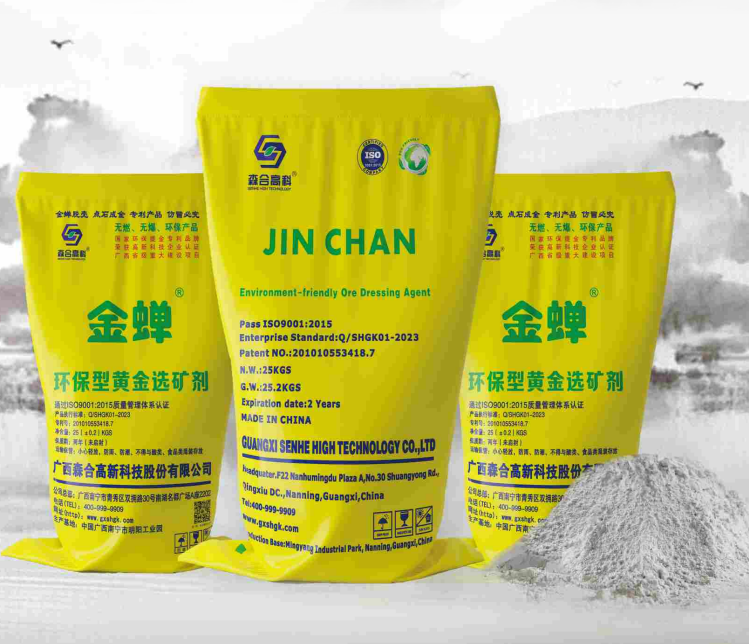

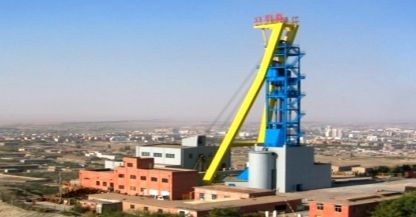
Core Technologies of the Mining Technology and Equipment Business Unit: Efficient Mining Methods and Processes
CHANGSHA INSTITUTE OF MINING RESEARCH CO., LTD.



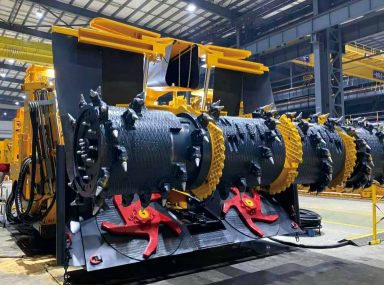
Integrated Excavation and Anchoring Machine (EJM Series)
China Railway Construction Heavy Industry Corporation Limited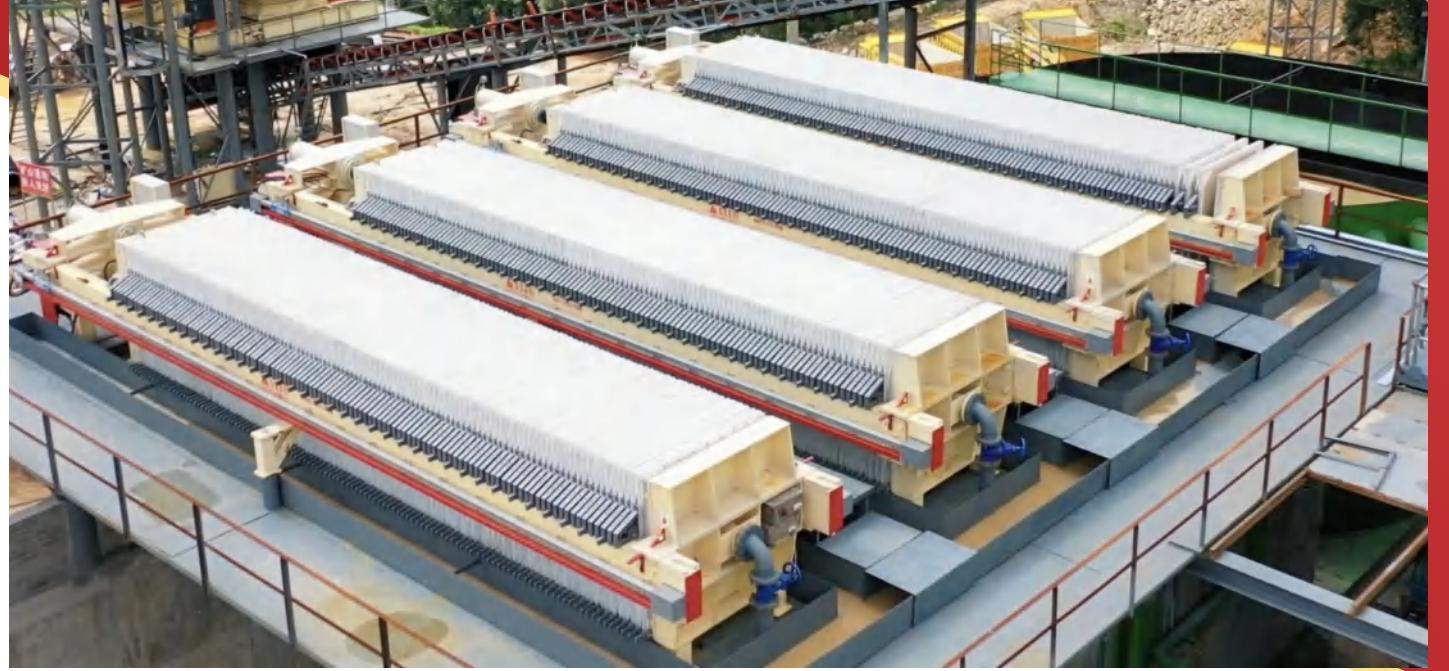
Hydraulic Plate and Frame Filter Press
Guangdong Leimeng Intelligent Equipment Group Co., Ltd.

KJ-3045 Crawler Mobile Jaw Crushing Station
Yunnan Kairuite Construction Machinery Equipment Co., Ltd.