en.Wedoany.com Report on Mar 24th, In the spring of 2026, China's non-ferrous metals industry received significant policy guidance. The "Government Work Report" set an annual target of reducing carbon dioxide emissions per unit of GDP by around 3.8%. The "Environmental Protection Code" established a dedicated section for green and low-carbon development. Five ministries, including the Ministry of Industry and Information Technology, jointly issued the "Guiding Opinions on Carrying Out the Construction of Zero-Carbon Factories". These measures provide clear direction for the industry's green and low-carbon development, driving systemic change.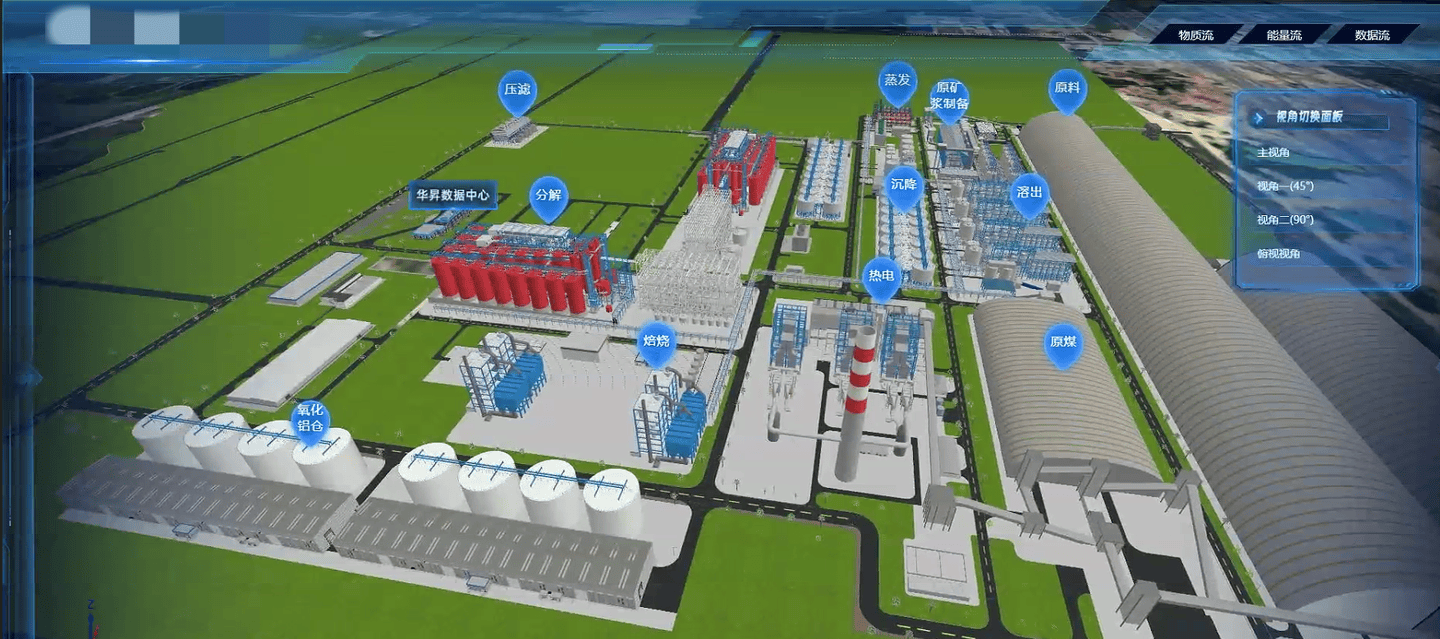
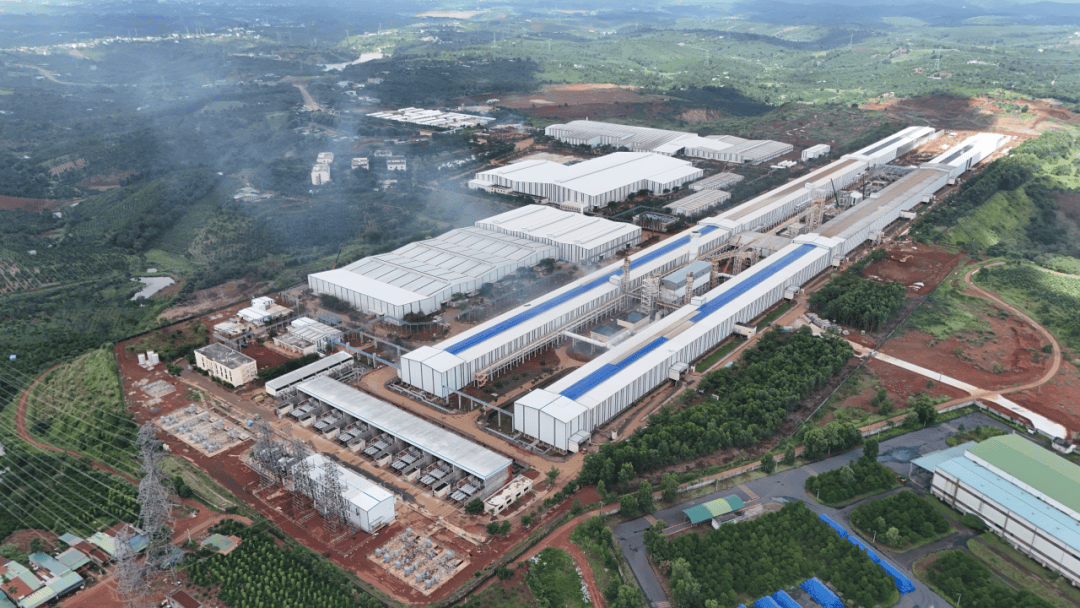
Progress has been made in the green transformation of the non-ferrous metals industry. The hydropower resources in southwestern China have helped increase the proportion of green electricity consumption in electrolytic aluminum to over 45%. The aluminum industry achieved its carbon peak ahead of schedule, with some enterprises reducing carbon emissions per ton of aluminum to 5.2 tons. The copper industry has reduced energy consumption per unit of product by 18% through processes like oxygen-enriched top-blowing smelting. Companies such as Chinalco and Jiangxi Copper have developed zero-waste mines, with comprehensive tailings utilization exceeding 90%. The proportion of recycled metal production has risen to 28%.
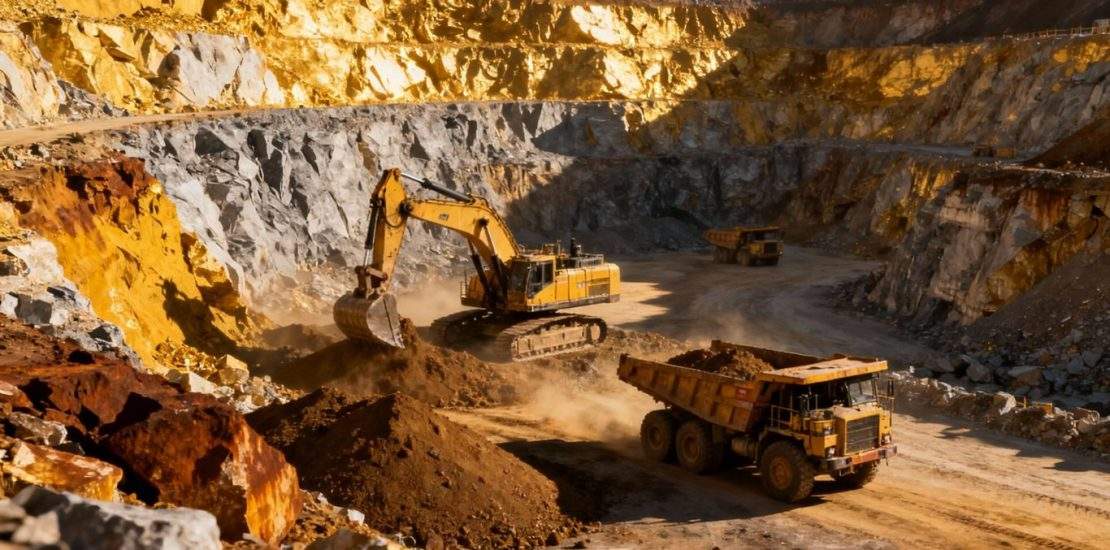
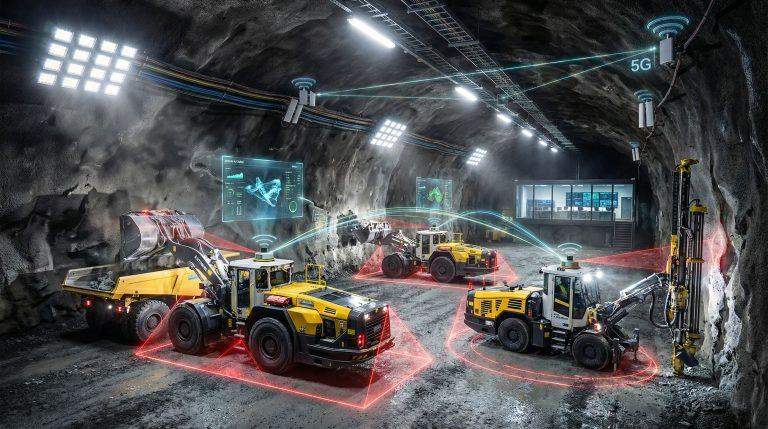
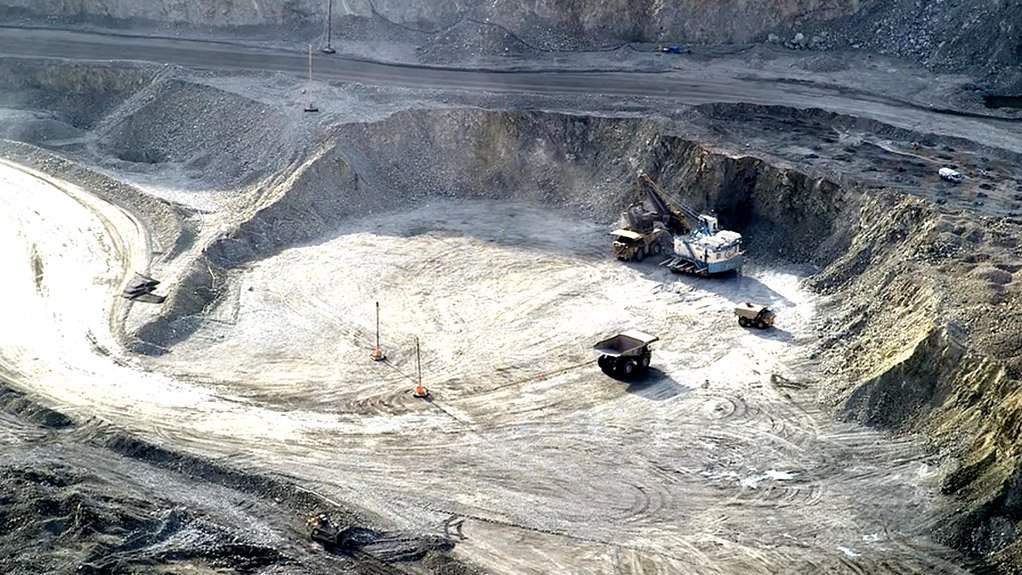
Intelligent technologies are injecting momentum into the industry's upgrade. AI-based intelligent exploration systems have improved exploration efficiency by 40%. Unmanned mining trucks and intelligent robots have reduced safety incidents by 65%. Optimization of smelting processes based on industry-specific large models has lowered the cost per ton of copper by 1,200 yuan. Intelligent supply chain collaboration has improved inventory turnover by 30%. Chinalco has applied AI to shorten the R&D cycle for rare earth materials by 60%. China Rare Earth Group has optimized the formula for permanent magnet materials, increasing the market share of high-end products by 8 percentage points.
The future development of the industry requires multi-party collaboration. It is necessary to strengthen national strategic guidance, implement ore prospecting actions, strive for a 20% to 30% increase in domestic copper and nickel resource reserves by the end of the 15th Five-Year Plan period, and improve the scrap metal recycling system. Key core technologies must be tackled to achieve self-sufficiency in areas like ultra-high-purity metals and high-end alloy materials. An industry-level artificial intelligence large model platform should be built to increase the domestic production rate of high-end materials to 90%.