UK's CURA Partners with Sylvera: Low-Carbon Cement Technology Validation Unlocks $443 Million in Potential Value
en.Wedoany.com Report on Mar 28th, Against the backdrop of increasingly stringent carbon pricing mechanisms, cement producers are facing a structural shift. The partnership between CURA and Sylvera demonstrates how verified emissions data translates into tangible financial advantages. CURA's developed low-carbon cement technology can reduce emissions by approximately 85%, but its commercial value relies on credible data verification.
Sylvera conducted an independent life cycle assessment of CURA's operations, benchmarking against over 3,000 global cement facilities. The results show CURA's carbon intensity ranks in the top 0.1% globally. This verification holds critical implications for procurement, investment, and regulatory compliance. The collaboration also focuses on monetization. Sylvera built financial models based on Environmental Attribute Certificates, the EU Emissions Trading System (ETS), and the Carbon Border Adjustment Mechanism (CBAM), identifying potential value up to €409 million ($443 million), with the EU ETS offering the strongest commercial pathway.
Regulatory frameworks like CBAM and expanding emissions trading systems are introducing direct financial consequences for carbon-intensive production. Simultaneously, corporate buyers face pressure to decarbonize their supply chains, creating demand for verified low-carbon materials. Sylvera and CURA's approach addresses the bottleneck of data inconsistency by combining facility-level carbon intensity data, ongoing market intelligence, and scenario modeling. This provides a dynamic toolkit to help producers navigate the evolving policy and pricing landscape.
Erin Bobicki, CEO of CURA, stated: "Our technology achieves a truly transformative reduction in cement emissions. Being able to credibly demonstrate this to the market is crucial. Partnering with Sylvera gives us the confidence to engage with buyers and investors, and the financial intelligence to understand and communicate the real value we are building. This is precisely the infrastructure needed for the low-carbon commodities market to drive financing and scale."
Allister Furey, CEO of Sylvera, noted: "The green premium opportunity is clear, but producers need credible, independent data to prove their advantage and ongoing intelligence to navigate a rapidly changing regulatory and commercial environment. Our work with CURA demonstrates what is possible with the rigor and intelligence Sylvera brings. We are proud to set a new standard of integrity in this space and look forward to extending this work to other low-carbon commodities."
For investors and industry leaders, verified carbon data is becoming a prerequisite for capital allocation, procurement decisions, and regulatory compliance. The CURA case shows that the ability to quantify, verify, and monetize emission reductions is now central to competitiveness. As CBAM reshapes trade flows and ETS pricing deepens, companies that can translate emissions performance into financial outcomes will control market access and pricing power. This partnership signals a shift towards infrastructure that directly links carbon performance to value creation, promising to accelerate capital flows to high-impact decarbonization technologies while bringing greater transparency and discipline to global carbon markets.
Related Products

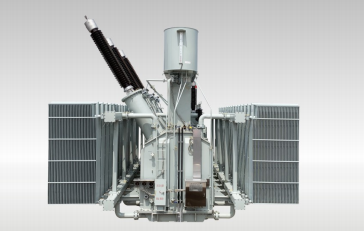
220kV and Below Voltage Level Energy-saving Oil-immersed Power Transformers
FuZhou TianYu Electric Co., Ltd.
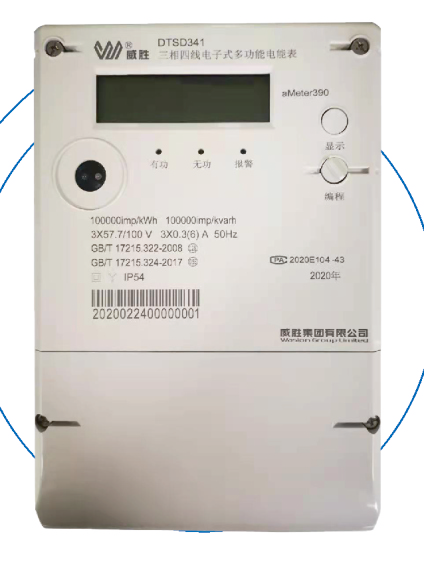
Overseas IEC Gateway Energy Meter - DTSD341/DSSD331-aMeter390
Wasion Group Limited Co., Ltd.
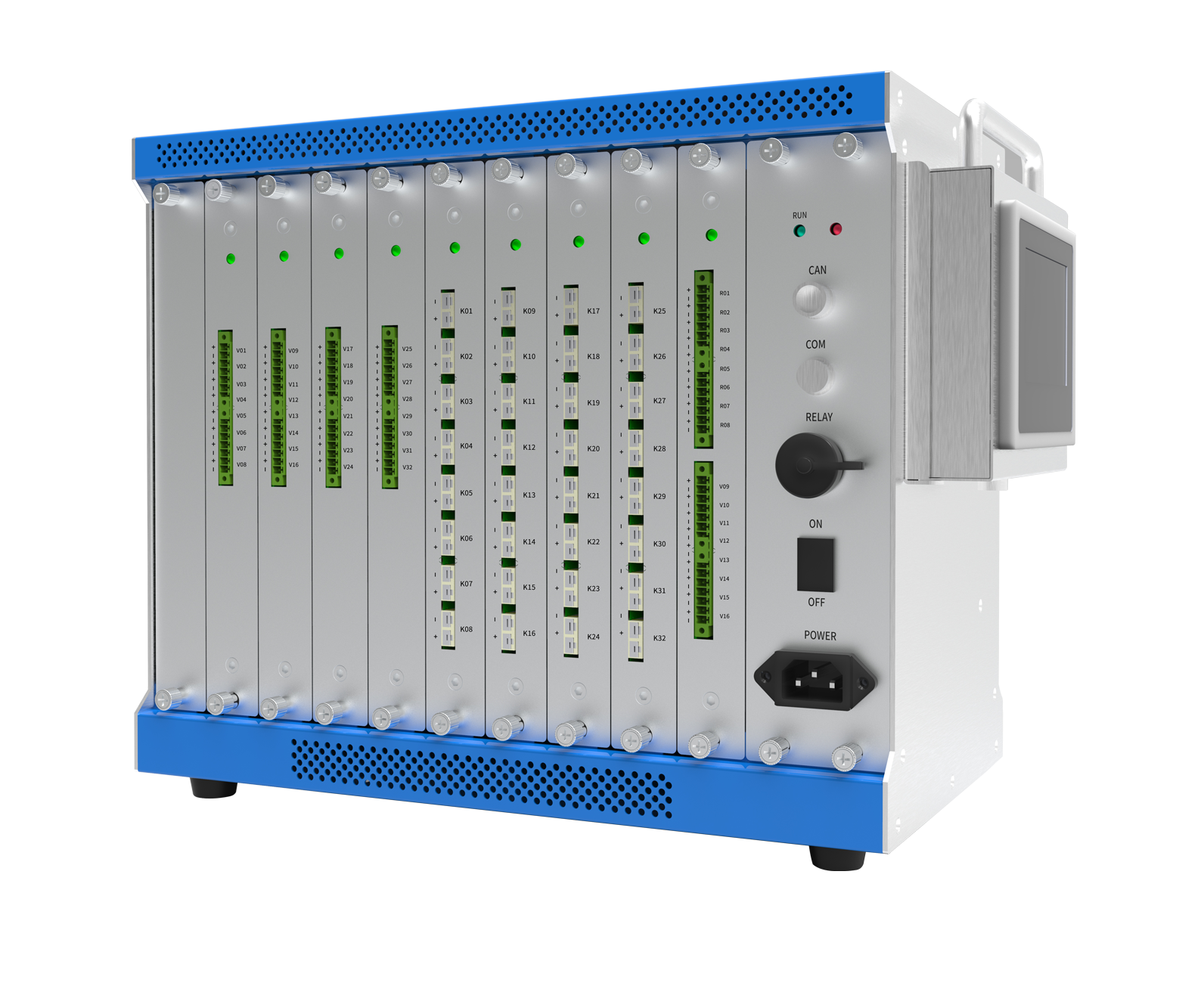
Optional Accessory - Auxiliary Sampling Module
Beijing Soaring Electric Technology Co., Ltd.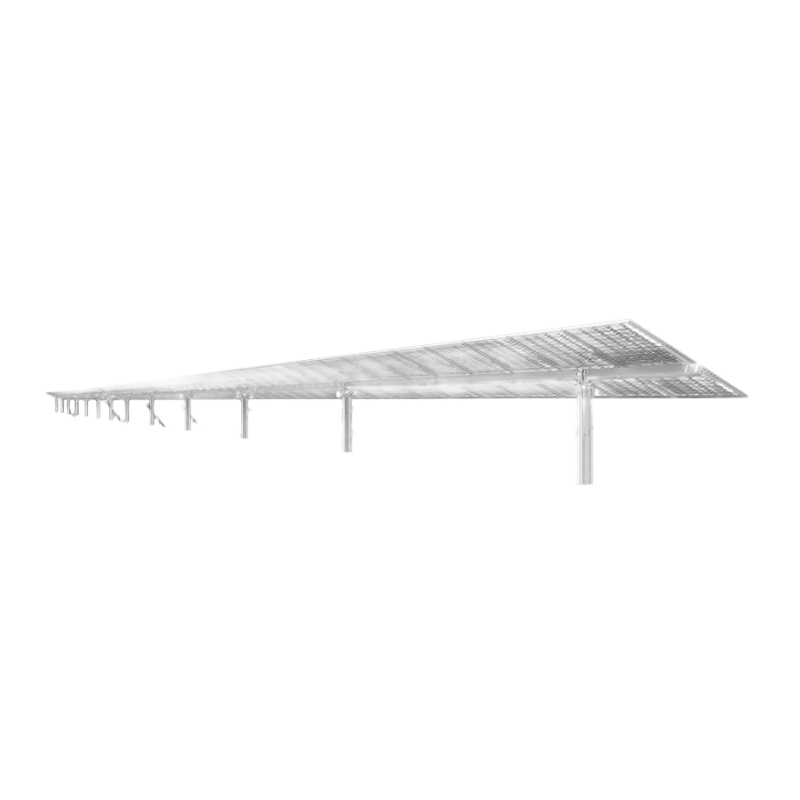
TAI Slew-drive Single-axis Independent 1P Tracking Bracket System
ANTAI TECHNOLOGY CO., LTD.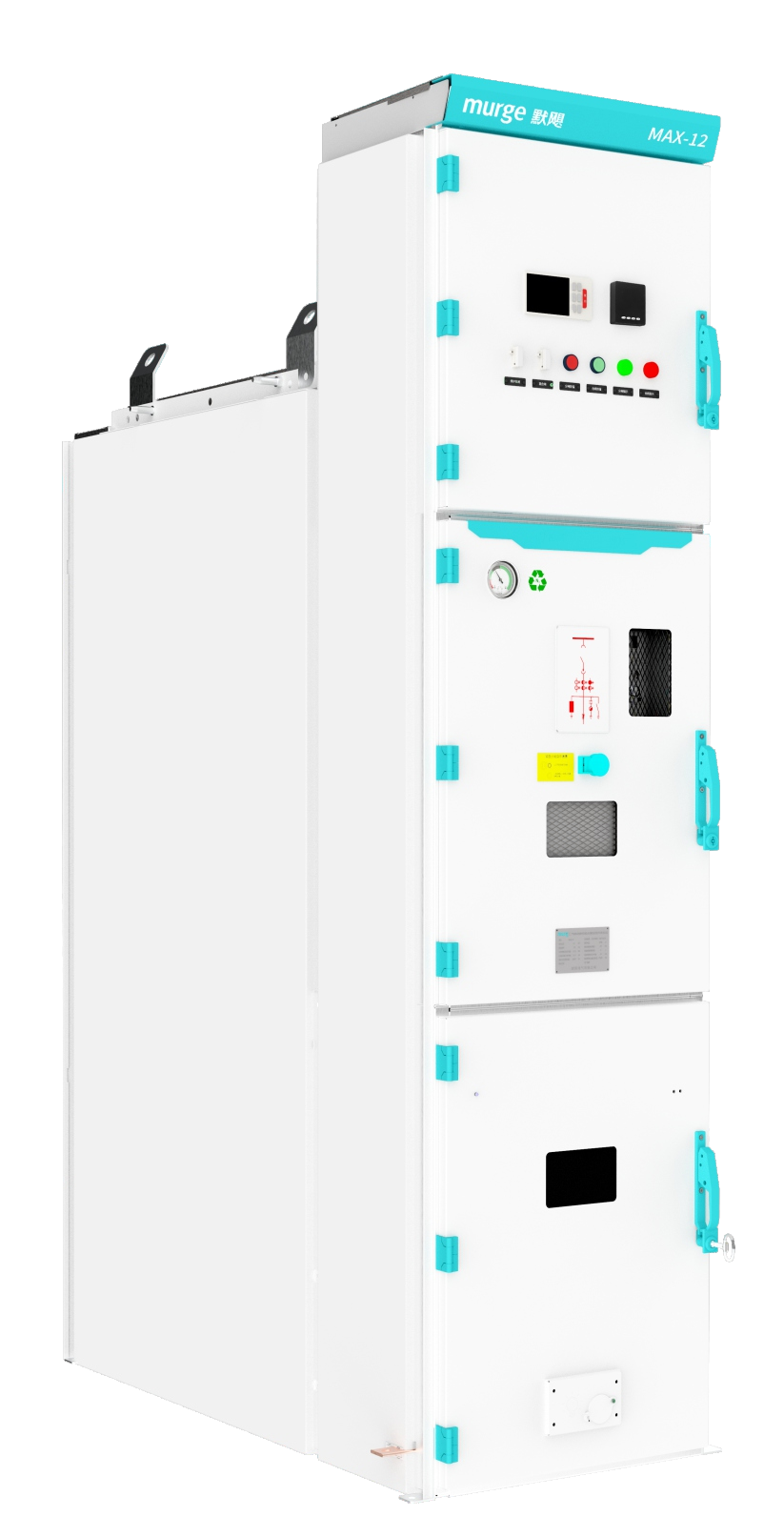
MAX-12 series Environmental Protection/SF6 gas insulated switchgear (C-GIS)
Murge Electric Co.,Ltd.
Smart Photovoltaic Prefabricated Substation
Shanghai Jinyou Jinhong Intelligent Electric Co., Ltd.