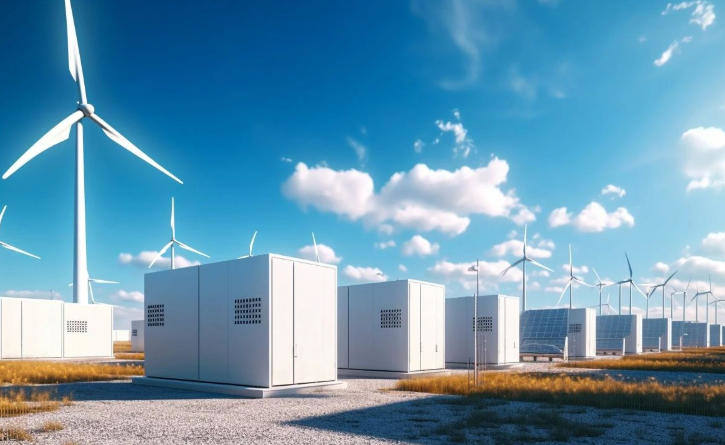
Chinese Research Team Develops Fluorocarbon-Based Electrolyte, Significantly Improving Lithium Battery Performance
en.Wedoany.com Report on Mar 30th, Recently, a research team from China's Nankai University and the Shanghai Institute of Space Power Sources announced a novel fluorocarbon-based electrolyte designed to improve the performance of lithium batteries under various conditions. Published last month in the journal *Nature*, this research demonstrates the electrolyte's potential to enhance energy density and low-temperature tolerance.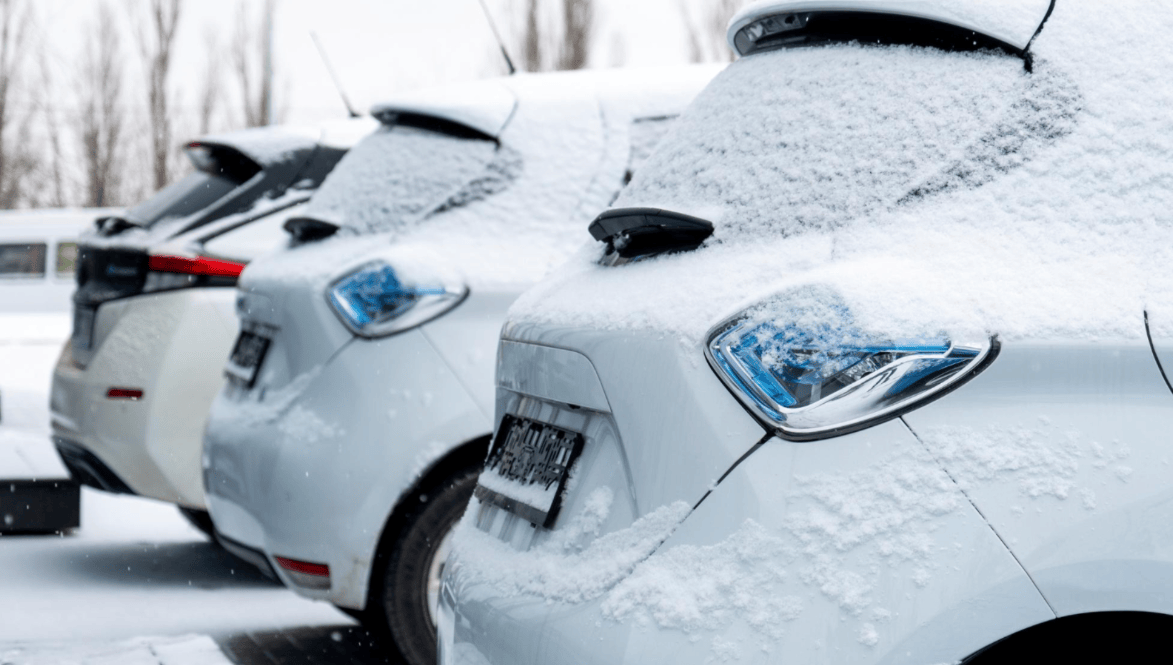
The researchers reported that lithium-metal batteries manufactured using this new electrolyte achieved more than double the energy density of conventional batteries in room-temperature tests. Specific data shows an energy density exceeding 700 watt-hours per pound at room temperature and about 400 watt-hours per pound at -58 degrees Fahrenheit. In contrast, conventional lithium batteries have an energy density of about 136 watt-hours per pound at room temperature, dropping to about 68 watt-hours per pound at -4 degrees Fahrenheit.
This fluorocarbon-based electrolyte maintains efficient operation under extreme low-temperature conditions, enabling stable charging and discharging even at -94 degrees Fahrenheit. Scientists noted that this advancement could potentially extend the range of electric vehicles from approximately 310-370 miles to about 620 miles. It is also applicable in fields such as smartphones, drones, and spacecraft, particularly in cold environments where traditional batteries tend to fail.
The core electrolyte of a battery allows ions to move between the positive and negative electrodes. For decades, lithium batteries have primarily relied on oxygen-based and nitrogen-based compounds. However, these materials often suffer from inefficient charge transfer under pressure, which can lead to slow charging speeds and reduced low-temperature performance. The newly developed fluorine-based electrolyte, with its lower viscosity, higher stability, and enhanced performance in cold conditions, offers a new path to overcome these limitations.
While demonstrating excellent performance at room and low temperatures, the research team mentioned that the electrolyte's high-temperature stability requires further improvement. Increasing its boiling point could advance the technology towards all-climate applications, making it viable in a wider range of environments. This progress points the way toward developing more durable and resilient batteries, holding significant importance for high-demand applications like electric vehicles and grid energy storage.
Related Products
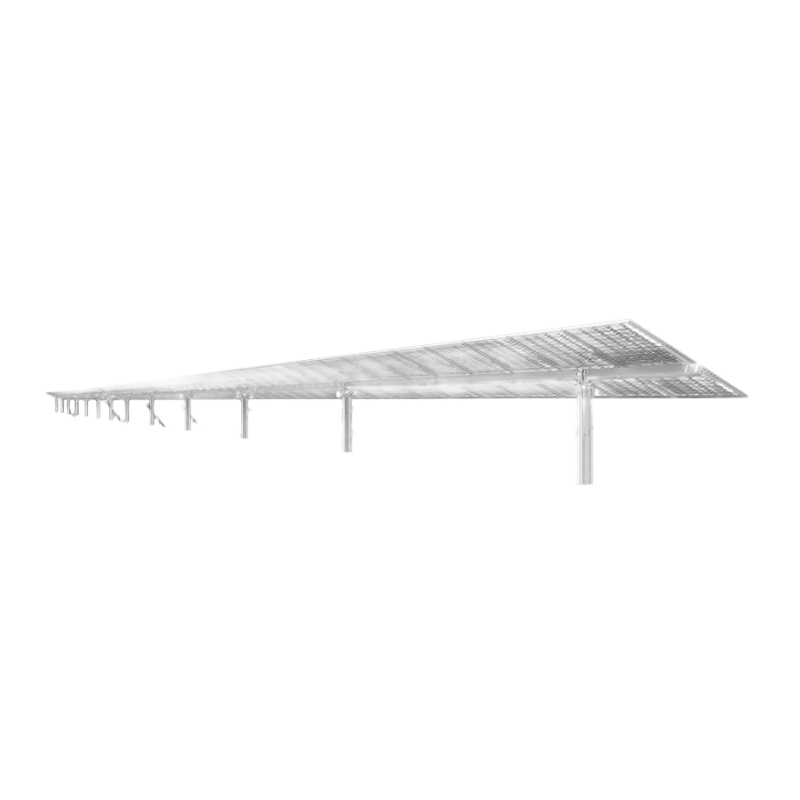

TAI Slew-drive Single-axis Independent 1P Tracking Bracket System
ANTAI TECHNOLOGY CO., LTD.
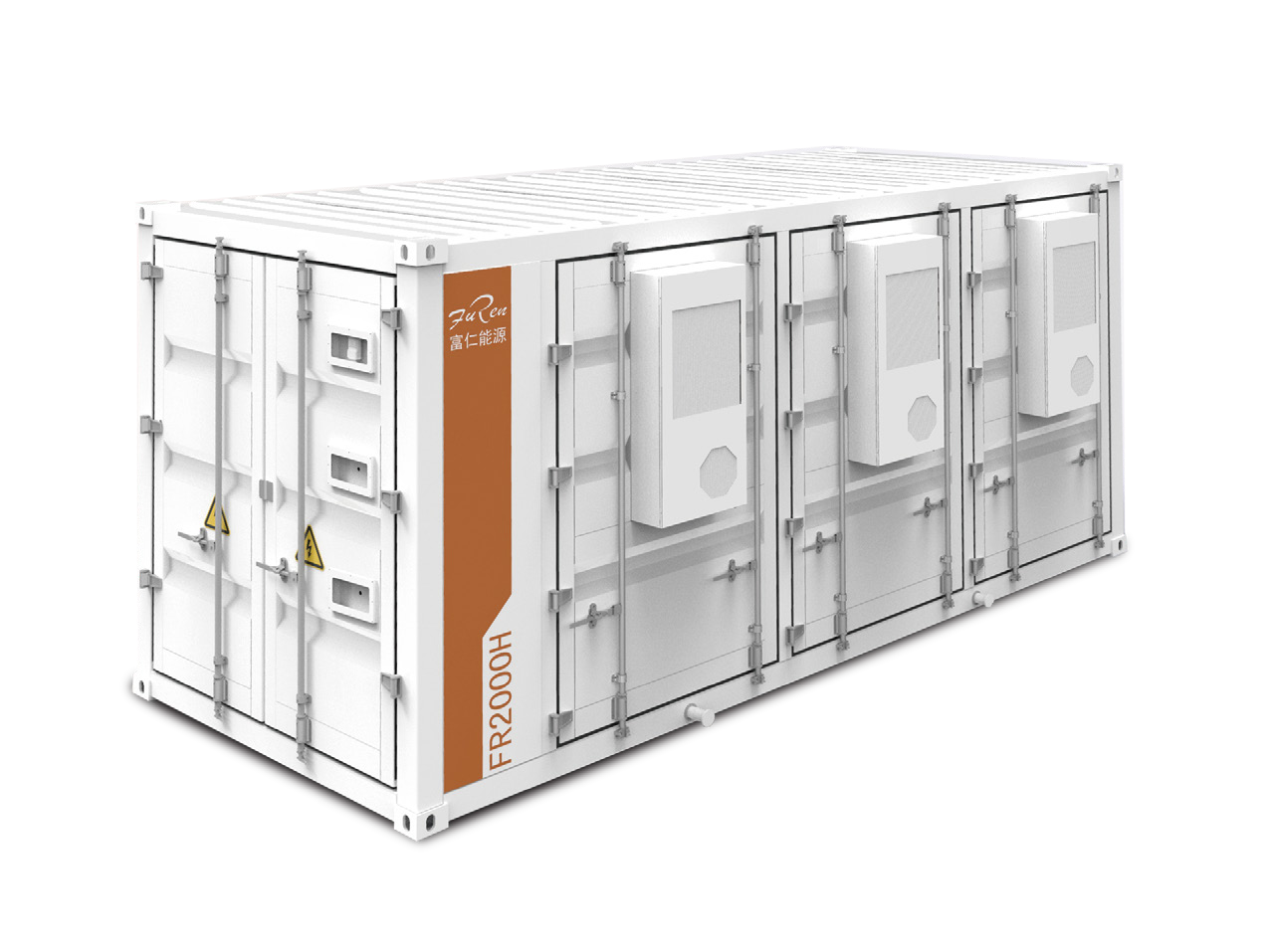
FR2000H 2.15MWh (Air-cooled) 20-foot Containerized Energy Storage System
Jiangyin Furen High-tech Co., Ltd.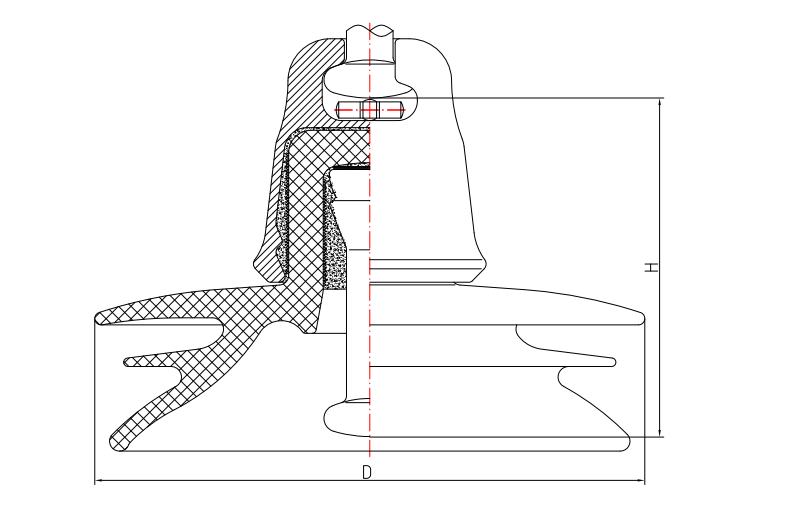
Post-type AC Pollution-resistant Disc Suspension Porcelain Insulator (Triple Umbrella Type)
Shandong High Voltage Insulator Co., Ltd.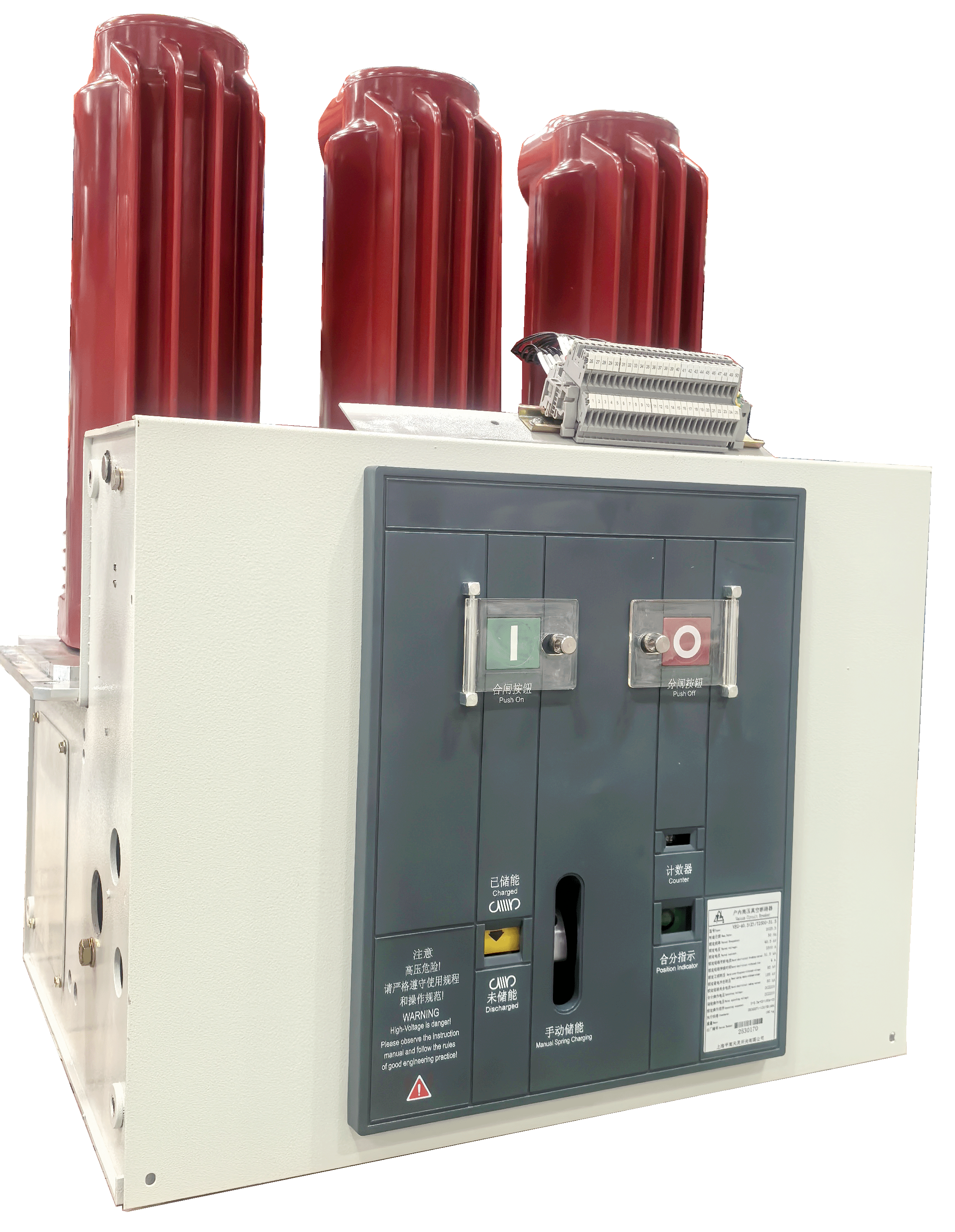
VEG-12/24/40.5 Series Vacuum Circuit Breaker
SHANGHAI PINGGAO TIANLING SWITCHGEAR CO., LTD.
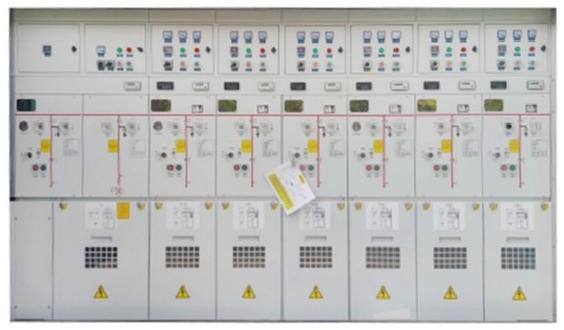
NISELA Series Environmentally Friendly Gas-Insulated Ring Main Unit
XJ DELISHIER ELECTRIC CO., LTD.

"Shunyi 1600" Deep-submerging Bottom-sitting Multi-functional Wind Power Engineering Vessel
Zhengli Offshore Engineering Co., Ltd.