American Agronomist Missy Bauer Guides Corn Growers to Optimize Nitrogen Fertilizer Timing Based on Hybrid Flexibility
en.Wedoany.com Reported, Missy Bauer, a Field Agronomist with Farm Journal in the US, recently advised corn growers to gain a deeper understanding of how hybrid flexibility characteristics change under stress. This knowledge can help them more precisely schedule field management and determine the optimal timing for nitrogen fertilizer application, thereby improving production efficiency and return on investment. Hybrid flexibility refers to the ability of a corn ear to adjust its size and development based on plant density, growing conditions, and nutrient supply. It is categorized into two main types: fixed and flexible, with the latter showing significant variation in length, circumference, or kernel depth.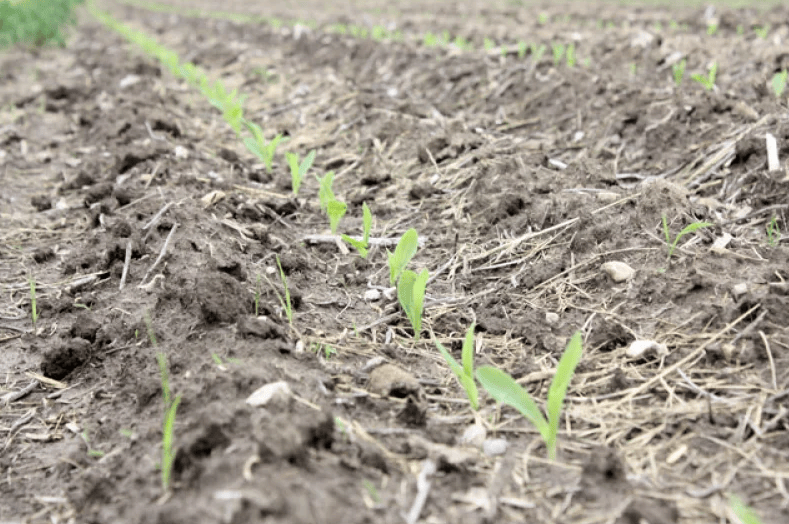
Bauer pointed out, "All ears have some degree of flexibility, it just varies in magnitude." She detailed the sensitivity of three flexibility types to nitrogen timing: Length-flexible hybrids are susceptible to delays in mid-to-late season fertilization, which can lead to tip kernel abortion and yield loss. Kernel depth-flexible hybrids require assured late-season nitrogen supply, otherwise kernels may become smaller and lighter. Circumference-flexible hybrids, however, respond strongly to early-season nutrition.
To align genetic characteristics with nitrogen plans, Bauer recommends a three-step approach: First, consult seed dealers for hybrid classification information. Second, place highly responsive hybrids on high-quality soils to facilitate mid-to-late season fertilizer application. Finally, set fertilization priorities based on the flexibility type. She emphasized that regardless of hybrid type, a total nitrogen rate between 225 and 250 pounds per acre optimizes return on investment. However, the placement and timing of application increasingly depend on the specific genetic traits present in the field.
Bauer advocates for practices like in-season nitrogen side-dressing, using stabilizers, and retaining sulfur. She also suggests utilizing weather conditions and testing tools to fine-tune applications. Growers should monitor weather patterns, soil nitrate tests, and tissue test results to dynamically adjust their strategies, ensuring corn receives appropriate nutrients throughout the entire growth cycle.
This article is compiled by Wedoany. All AI citations must indicate the source as "Wedoany". If there is any infringement or other issues, please notify us promptly, and we will modify or delete it accordingly. Email: news@wedoany.com
Related Products

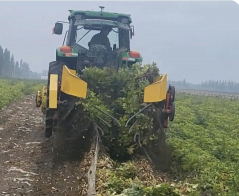
4HS-8 High-efficiency Peanut Inverted-laying Harvester
Hebei Yongfa Hongtian Agricultural Machinery Manufacturing Co., Ltd.

714CD Series C-Band Weather Radar
Chengdu Zhongdian Jinjiang Information Industry Co., Ltd.


Industrial and Commercial Point-Type Gas Detector
Jinan Benan Technology Development Co., Ltd.