Keysight Technologies Launches Virtual Assembly Simulation Software in Santa Rosa, USA
en.Wedoany.com Reported - Keysight Technologies has released the Assembly virtual process simulation solution, which introduces assembly considerations into the early stages of manufacturing development to identify risks of part deformation and dimensional deviation. This product integrates with stamping simulation systems to form a continuous simulation workflow from forming to assembly.
According to information officially released by Keysight Technologies, Assembly enables engineers to replicate workshop processes, including part positioning, clamping, and joining operations, using preset workflows and templates, without requiring specialized skills in Finite Element Modeling (FEM). The system provides analysis results for deformation and tolerance risks before physical prototypes are manufactured, aiming to reduce rework later in the process.
Assembly defects in the automotive manufacturing sector are often identified only during the physical build phase. Public data from the US automotive industry shows that recall and warranty costs amount to billions of dollars. The closer defect identification occurs to the mass production stage, the higher the repair costs and the risk of delivery delays become. The application of Assembly focuses on shortening the problem discovery cycle.
This solution achieves data continuity with Keysight's existing stamping simulation software. Engineers can directly use part data generated during the stamping phase for assembly simulation and validate the results against pre-production scan data. This workflow is designed to improve the consistency between simulation results and actual manufacturing outcomes.
Mathilde Chabin, Director of Virtual Manufacturing Product Management at Keysight, stated that traditional simulation tools primarily remain at the single-part analysis level, making it difficult to reflect the deformation and cumulative errors that occur during actual assembly processes. By simulating the complete manufacturing process, Assembly enables engineering teams to identify process sensitivities and make adjustments during the design phase.
Currently, automotive and industrial manufacturing companies are expanding the use of simulation tools from single-process analysis to full-process integration. The effectiveness of such solutions depends on the alignment between simulation data and actual production data, as well as the depth of a company's deployment of digital manufacturing processes.
This article is compiled by Wedoany. All AI citations must indicate the source as "Wedoany". If there is any infringement or other issues, please notify us promptly, and we will modify or delete it accordingly. Email: news@wedoany.com
Related Products



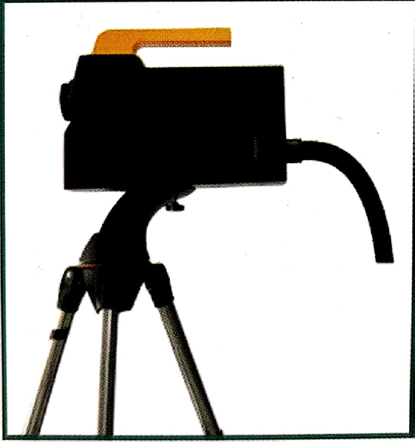
Automatic Aiming Laser Remote Obstacle Removal Robot
Pinggao Group Weihai High-Voltage Apparatus Co., Ltd.
Comprehensive Mining Automation Control System
Beijing Tianma Intelligent Control Technology Co., Ltd.


Multi-function Marine Monitoring Low-altitude Detection Radar Sea-air Boundary Ocean Dynamic Environment Measurement
Chengdu Dixin Technology Co., Ltd.

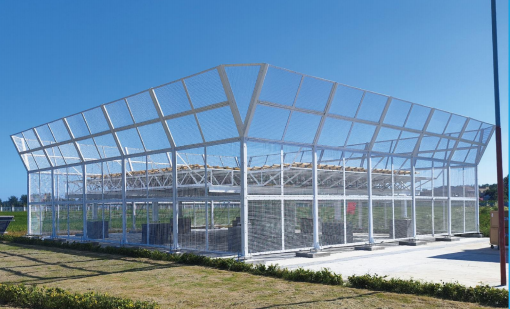
TWP16 P-Band Tropospheric Wind Profile Radar
China Huayun Meteorological Technology Group Co., Ltd.