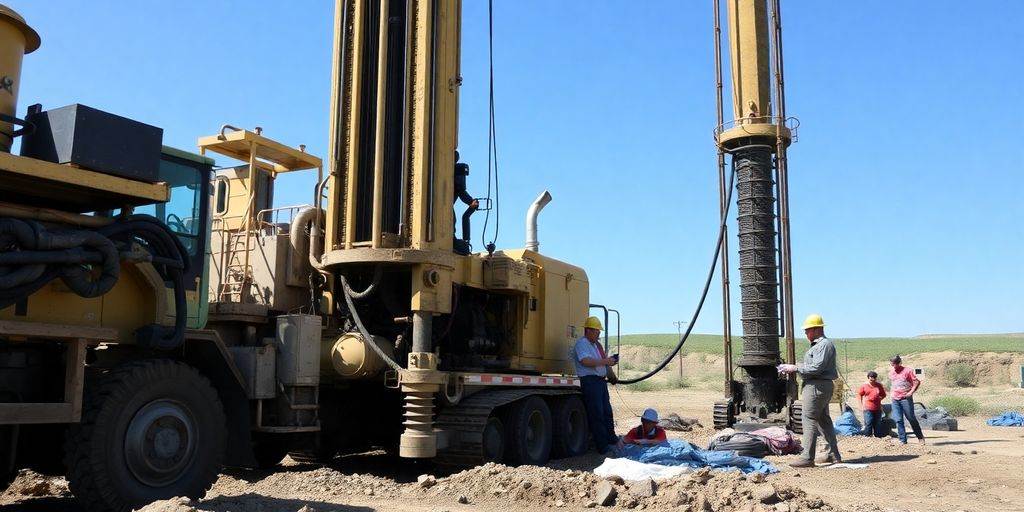
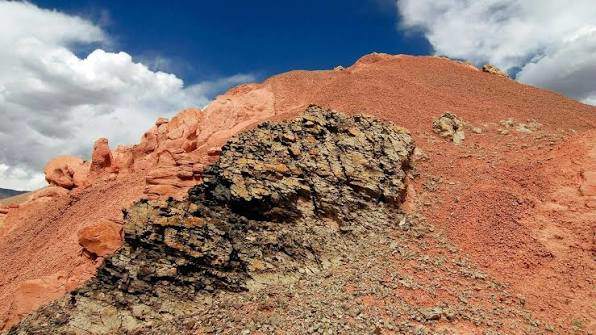
en.Wedoany.com Reported - The European Union and the United States are close to reaching a critical minerals cooperation agreement aimed at coordinating production and supply chain security and promoting the diversification of global critical mineral supply channels. According to a draft "action plan" obtained by Bloomberg, the two sides plan to create more favorable market conditions for non-Chinese suppliers through incentives such as setting minimum prices. The agreement will cover the entire value chain of critical minerals, from exploration, mining, processing, refining to recycling and reuse, and will involve standard-setting, joint investment, coordination of export restrictions, and cooperation on strategic reserves. The draft is currently under review at the EU member state level, and its content may still be adjusted.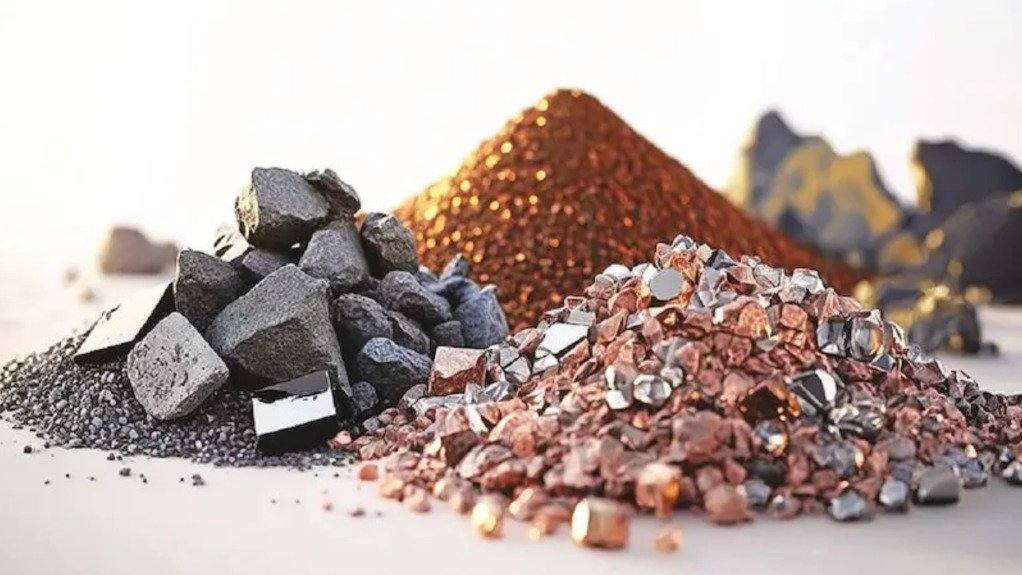
China holds a significant share in the global rare earth supply chain. According to industry data, in 2025, China accounted for 69.2% of global rare earth production and processed approximately 90% of the world's rare earths, while the US and Australia accounted for 13.1% and 7.4% of production, respectively. In the refining stage, China possesses about 92% of global capacity; in the manufacturing of sintered NdFeB magnets, this proportion is approximately 98%. In October 2025, China implemented export license management for critical minerals such as rare earths, gallium, and germanium. This move caused disruptions to the industrial supply chains of some countries, with some European companies facing pressure to adjust production. Goldman Sachs noted in a research report that a 10% disruption in rare earth supply could result in global economic losses of around $150 billion.
In addition to bilateral cooperation between the EU and the US, both sides are also seeking other "like-minded partners" to join a multilateral agreement to jointly build critical mineral supply chains covering areas such as missile guidance systems, fighter jets, and electric vehicles. This cooperation framework is based on a non-legally binding memorandum of understanding and also includes joint public procurement and coordination in areas such as export restrictions, strategic reserves, and mineral resource mapping. In 2025, the US and Australia signed an agreement to jointly invest $2 billion in critical mineral projects within six months; the EU is also exploring the establishment of alternative supply channels with countries such as Brazil and Canada. Industry analysis suggests that the global critical minerals industry is gradually shifting from a highly concentrated supply structure to a supply chain structure involving multiple regions.
This article is compiled by Wedoany. All AI citations must indicate the source as "Wedoany". If there is any infringement or other issues, please notify us promptly, and we will modify or delete it accordingly. Email: news@wedoany.com