Nestlé Purina Achieves 29% Regenerative Agriculture Sourcing Target Ahead of Schedule
en.Wedoany.com Reported - A recent report from Nestlé Purina Europe shows that its regenerative agriculture initiative has already achieved its 2025 interim goal ahead of schedule. To date, by promoting sustainable agricultural practices within its European supply chain, the company has sourced 29% of its grains and plant proteins from regenerative agriculture, exceeding the original 20% target, and is accelerating progress towards its 2030 goal of 50%.
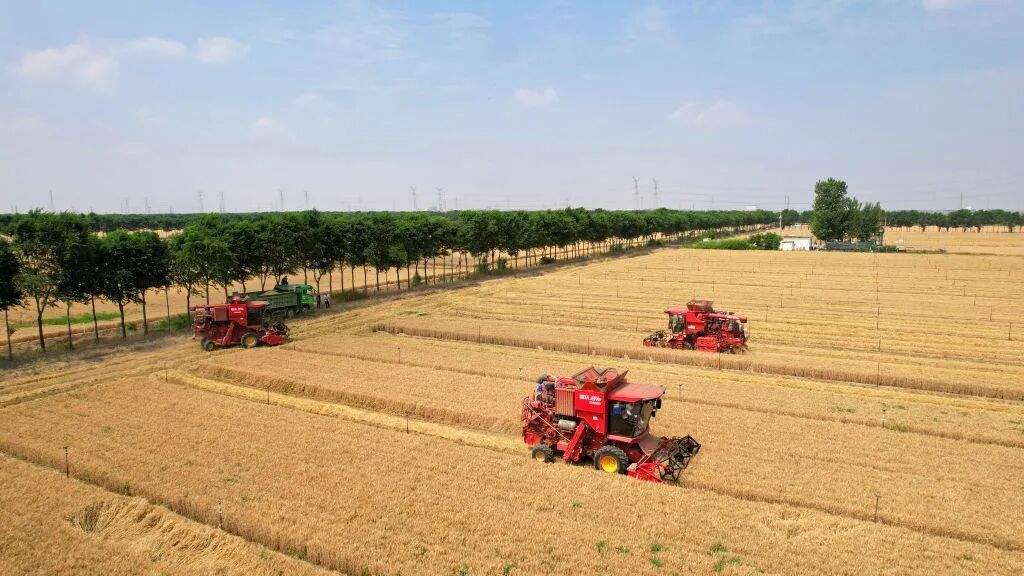
This initiative is at the core of Purina's strategic commitment launched in 2022, with an implementation period spanning 2023 to 2030. Currently, over 630 farmers across Europe are participating, covering approximately 37,000 hectares of managed arable land. By introducing regenerative farming models at the production level, the project aims to improve soil fertility and enhance farmland resilience to climate shocks, serving as a key component in Nestlé's journey to achieve net-zero emissions by 2050.
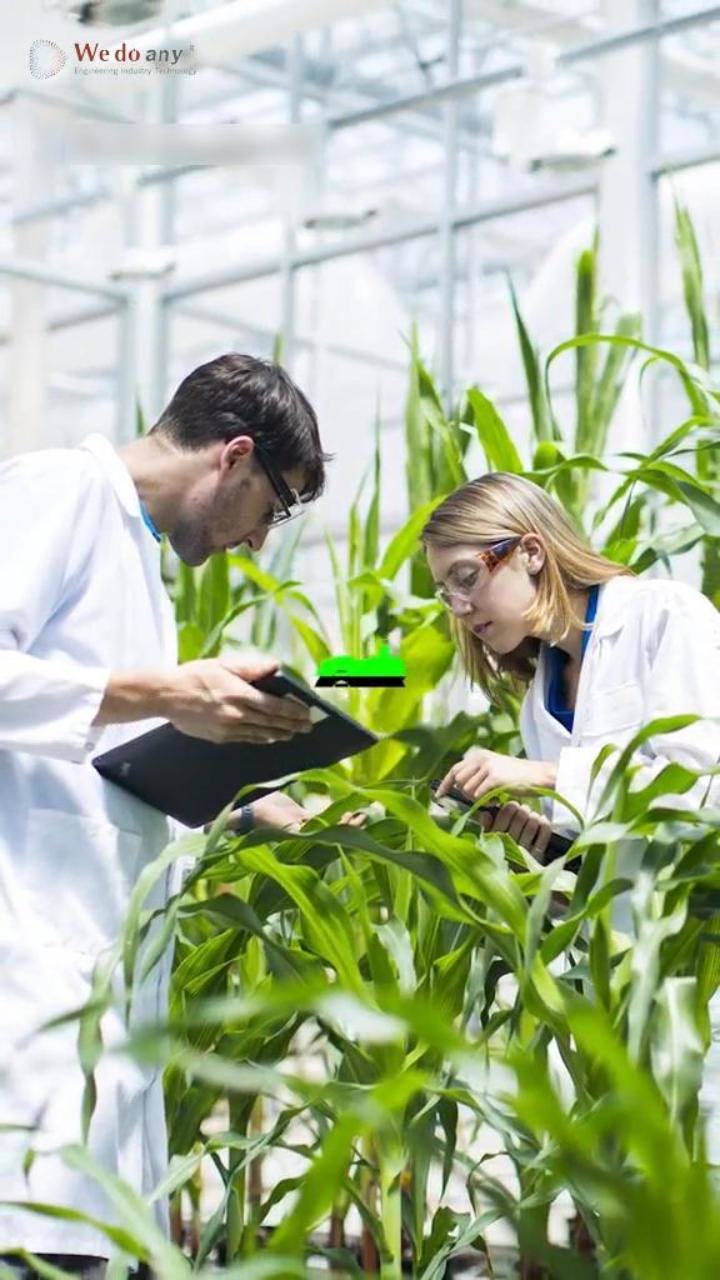
In terms of technical support, Purina provides agronomic assistance through two core collaborative networks. The Sols Vivants program is operated by the French Earthworm Foundation, while the Landscape Enterprise Networks (LENs) are managed by the environmental consultancy 3Keel. These collaborations are active in countries such as the UK, Hungary, Poland, and Italy, helping farmers develop adaptive roadmaps by providing agronomic tools, technical assistance, and financial support to capture atmospheric carbon dioxide and store it in the soil.
Currently, Purina's regenerative agriculture practices have transitioned from pilot validation to large-scale supply chain integration. Through the Landscape Enterprise Networks (LENs) model, the company is expanding its farmer service coverage in the UK and other parts of Europe. This progress signifies that the pet food industry is deeply engaging in upstream agricultural governance, combining commercial procurement with nature-based carbon sequestration projects. The plan aims to reduce emissions by 50% by 2030 and begin reversing the trend of nature loss.
This article is compiled by Wedoany. All AI citations must indicate the source as "Wedoany". If there is any infringement or other issues, please notify us promptly, and we will modify or delete it accordingly. Email: news@wedoany.com
Related Products



Industrial and Commercial Point-Type Gas Detector
Jinan Benan Technology Development Co., Ltd.
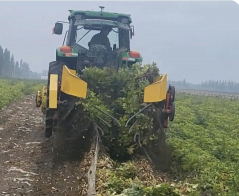
4HS-8 High-efficiency Peanut Inverted-laying Harvester
Hebei Yongfa Hongtian Agricultural Machinery Manufacturing Co., Ltd.


714CD Series C-Band Weather Radar
Chengdu Zhongdian Jinjiang Information Industry Co., Ltd.