en.Wedoany.com Reported - Global refined copper demand will reach 37 million tonnes by 2050, requiring the construction of 61 new mines and the addition of over 8 million tonnes of annual capacity to meet this need. Daniel Cámac, President of H2 Perú, pointed out at the 2026 ExpoCobre conference that the current copper mine project pipeline already indicates a supply gap of approximately 30% by 2035, and bridging this gap depends on new mine commissioning and improved recovery rates.
The main drivers of demand growth are electric vehicles, renewable energy, power grids, data centers, and industrialization in Asia. Cámac stated that the challenge lies not only in production scale—approximately 25% of global copper contracts already include carbon footprint requirements, and failing to manage emissions will shift from a reputational issue to a market access barrier in the future. In terms of cost competitiveness, the cash cost of Peruvian copper mines is approximately US$1.1 per pound (compared to US$1.4 per pound in Chile), and electricity costs are approximately US$65 per megawatt-hour (compared to approximately US$107 per megawatt-hour in Chile), though electricity accounts for only 8% to 10% of total copper production costs.
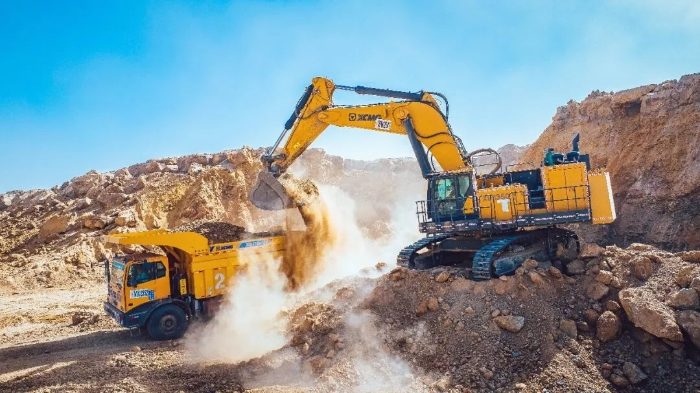
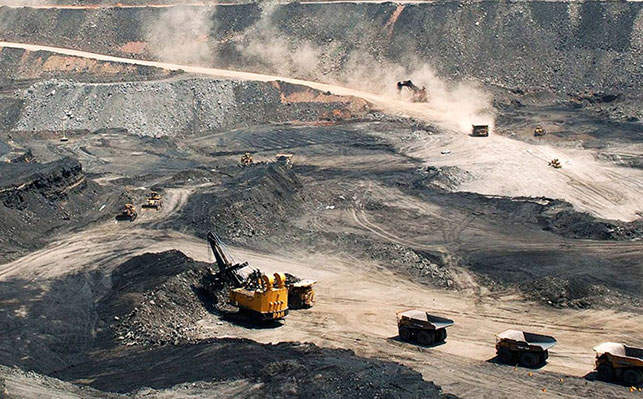
In 2024, global primary copper mine emissions exceeded 53 million tonnes of CO2 equivalent, and this figure is expected to continue growing. Approximately 87% of copper is extracted using open-pit mining methods, with diesel trucks contributing roughly 50% of direct mine emissions. Cámac emphasized that there is currently no scalable electric solution for ultra-class trucks with payloads exceeding 400 tonnes, and hydrogen can serve as a complement in areas where batteries cannot cover, including high-tonnage transport, thermal processes in smelting and refining, and certain industrial feedstock applications.
Brendan Oviedo, former President of the Peruvian Renewable Energy Association, summarized three key conclusions: the energy transition and mining competitiveness are interdependent; the mining sector is one of the main drivers of the global energy transition; and energy directly impacts costs, competitiveness, and the feasibility of decarbonization strategies.
This article is compiled by Wedoany. All AI citations must indicate the source as "Wedoany". If there is any infringement or other issues, please notify us promptly, and we will modify or delete it accordingly. Email: news@wedoany.com