Ericsson, China Mobile, and OPPO Complete 5G SA User-Level Slicing Test, Validating AI Terminal and Network Collaboration on Live Network
en.Wedoany.com Reported - Ericsson, China Mobile, and OPPO disclosed on May 14 that the three parties successfully completed the first consumer-oriented user-level slicing and application-level slicing test on China Mobile's 5G SA commercial live network in Dezhou, Shandong Province. This test verified the differentiated connectivity capability combining AI terminal service identification with end-to-end network slicing technology, marking a key step in the implementation of differentiated 5G services moving from the network side to the terminal side.
The test covered consumer scenarios including uplink live streaming, short video upload and download, multi-functional applications for AI glasses, and mobile gaming connections, achieving fine-grained allocation and isolation of network resources at both the user level and application level. In the application-level slicing test, OPPO devices leveraged AI recognition capabilities to achieve a seamless experience loop of "stutter detection—traffic switching." When users experienced stuttering while watching short videos or conducting uplink live streams, the device automatically notified the user, and upon confirmation, switched the traffic to a dedicated slice. Combined with the resource partitioning function of the radio access network, network resources were prioritized for the relevant applications. The user-level slicing test targeted specific users and terminals, expanding deployment scenarios within the commercial live network environment.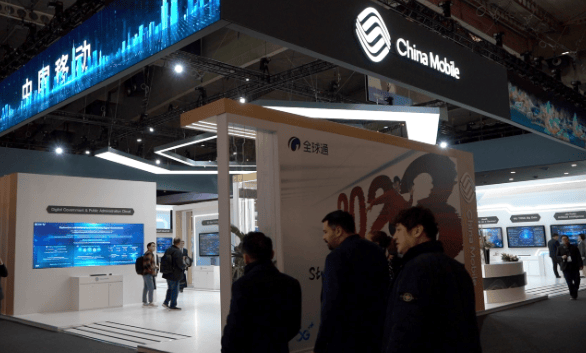
In terms of specific metrics, under network overload and multi-user concurrency scenarios, the uplink and downlink rates for slice-guaranteed uplink live streaming and short video services were more than double those of the regular network; in gaming scenarios, user experience latency was reduced by at least 30% compared to the conventional network. For the "AI Object Recognition" function of AI glasses, after slice guarantee, the average air interface uplink and downlink packet RTT latency was reduced by at least 30% compared to the regular network, significantly improving the user perception of AI Agent-type services from the network side. Ni Ziming, Head of Network Solutions at Ericsson China, stated: "This field test is crucial as it proves we can provide technical solutions that address the demands for network rate assurance and ultra-low latency in different scenarios."
The URSP-based application-level slicing in this test was the first to complete the end-to-end process, establish the technical verification link, and validate the capability to deploy applications on slices to provide better services within China Mobile's 5G SA network. User-level slicing, targeting specific users and terminals, further expanded deployment scenarios based on existing network capabilities. The three parties also noted that the commercial implementation of some features still requires the improvement of the industry ecosystem and support from more commercial terminals, and they will continue to collaborate to promote industry ecosystem development in the future.
Ericsson and China Mobile have a long history of joint innovation in the field of network slicing. At the 2025 China Mobile Global Partner Conference, the two parties showcased differentiated connectivity capabilities based on 5G-A and network slicing technology around themes such as "AI + Network" and "AI + Applications"; in the digital village project in Yonglian Village, Zhejiang Province, both parties have introduced 5G SA network slicing and radio resource partitioning at the radio base station side to implement tiered guarantees for different technologies and services. This consumer-oriented live network test further extends slicing technology from industry private networks to public user scenarios.
The terminal AI recognition capability provided by OPPO in this test was the core link triggering slice switching. As large models accelerate their penetration towards the device side, applications such as AI Agents, cloud phones, and real-time video analysis impose higher demands on network determinism. Network slicing, through end-to-end logical isolation and resource scheduling, can build differentiated and highly reliable service quality assurance systems for various services. This test demonstrates that the collaboration between terminal-side AI service awareness and network-side slice scheduling is providing a new technical pathway for upgrading consumer-grade 5G application experiences.
This article is compiled by Wedoany. All AI citations must indicate the source as "Wedoany". If there is any infringement or other issues, please notify us promptly, and we will modify or delete it accordingly. Email: news@wedoany.com
Related Products
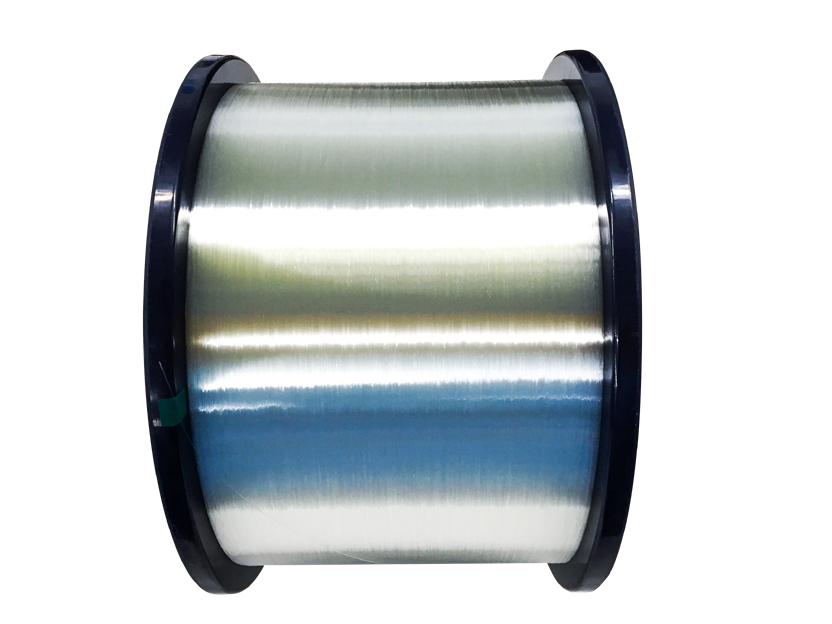

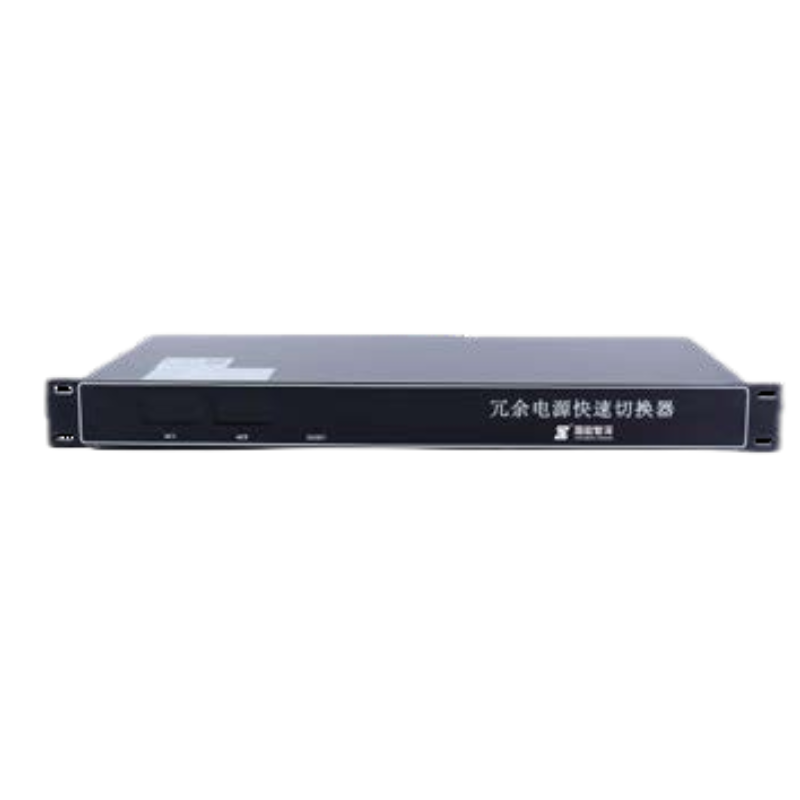

GYTA Type Non-Self-Supporting Aerial/Duct Optical Cable
TONGDING INTERCONNECTION INFORMATION CO., LTD.
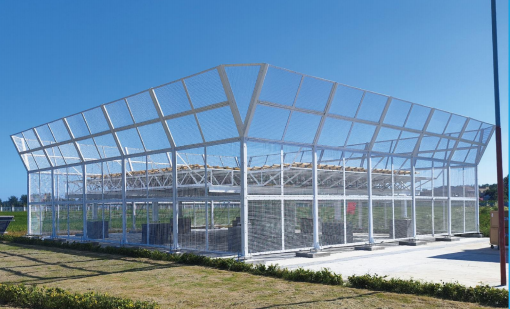
TWP16 P-Band Tropospheric Wind Profile Radar
China Huayun Meteorological Technology Group Co., Ltd.
KJD127(A) Mining Explosion-Proof and Intrinsically Safe Computer
Taiyuan Xiangming Intelligent Control Technology Co., Ltd.
Conveyor Belt Intelligent Monitoring System
LUO YANG WIRE ROPE INSPECTION TECHNOLOGY CO., LTD.
Hot Selling 10 Inch Intel N5100 I5 I7 FHD 8 +128GB 16+256GB Win10 Pro Win11 Pro 4G 5G Rugged Tablet PC Pad with NFC Barcode
Highton Electronics Co., Ltd.
MUX Series Communication Interface Device for Security and Stability Control System
Nanjing NR Electric Co., Ltd.