Dutch Startup inSystem.io Launches Intelligent Sorting System, Achieving Over 96% Battery Recycling Purity
en.Wedoany.com Reported - Dutch startup inSystem.io has developed an artificial intelligence-based intelligent sorting system for separating mixed batteries from recycled materials. The company states that in facility trials, the unit achieved a separation purity of over 96% for the battery-containing fraction.
During the battery recycling process, these batteries must go through multiple sorting stages before entering the ferrous metal fraction. The small size, irregular shape, and complex composition of batteries make reliable separation difficult. Batteries can contaminate metal streams, reduce material value, and increase fire risks during downstream processing.
The difficulty of separating materials with particle sizes between 5 and 70 millimeters is particularly significant. Traditional sorting systems lose efficiency within this range because the material is dense, irregularly shaped, and difficult to handle pneumatically. In many facilities, recyclable materials from these streams are still sent to landfills or used to produce refuse-derived fuel. For the battery fraction in municipal solid waste, manual sorting remains the primary solution, but it faces issues such as high labor costs, safety hazards, and inconsistent sorting quality.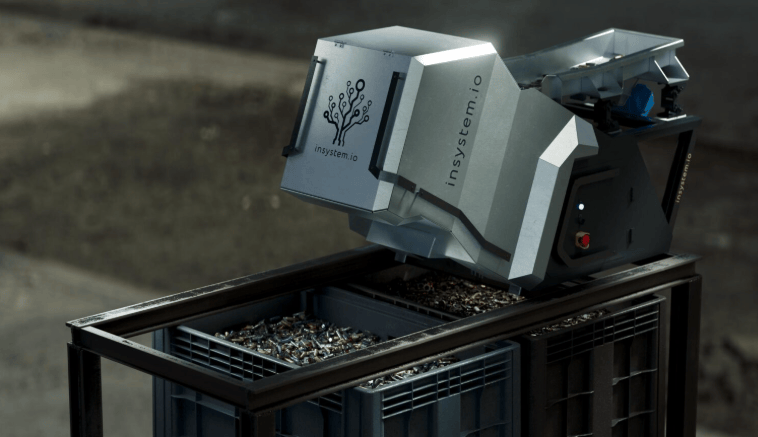
According to the company, the Gravity Sorter intelligent sorting system can separate mixed batteries in a single pass and produce a concentrated battery fraction, with a processing capacity of six tons per hour. The unit is designed for integration into existing sorting lines without requiring major modifications. Operators manage the system via a cloud platform, allowing them to configure material fractions, adjust ejection parameters, monitor operations in real-time, and retrain the AI model using newly labeled image data.
The intelligent sorting system uses continuous trajectory tracking during free fall. The AI camera operates at 400 frames per second, monitoring objects over multiple frames and calculating trajectories in real-time. High-pressure air nozzles activate at the calculated ejection point within 0.25 milliseconds, enabling the system to handle heavy and irregularly shaped objects. The AI system analyzes object features, including text, shape, and color, and the platform can be upgraded with near-infrared, short-wave infrared, and long-wave infrared sensors for additional material identification.
The intelligent sorting system processes mixed batteries, including lithium-ion, alkaline, nickel-metal hydride, nickel-cadmium, and button cell batteries. Other applications include electronic waste fragments, plastic flakes, incinerator bottom ash, non-ferrous metal scrap, and fine fractions from construction and demolition waste. The system can be used to retrofit existing facilities or be integrated into new recycling lines.
This article is compiled by Wedoany. All AI citations must indicate the source as "Wedoany". If there is any infringement or other issues, please notify us promptly, and we will modify or delete it accordingly. Email: news@wedoany.com
Related Products
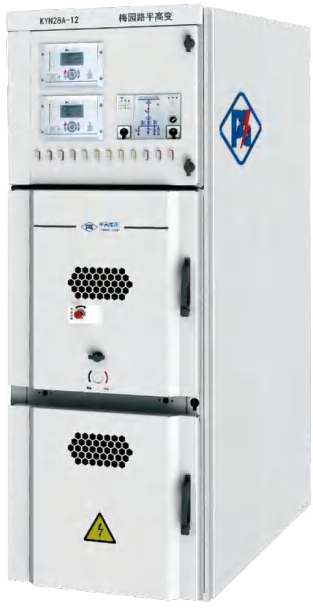

KYN28A-12 Metal Armored Removable Switchgear
Tianjin Ping Gao Intelligent Electric Co., Ltd.
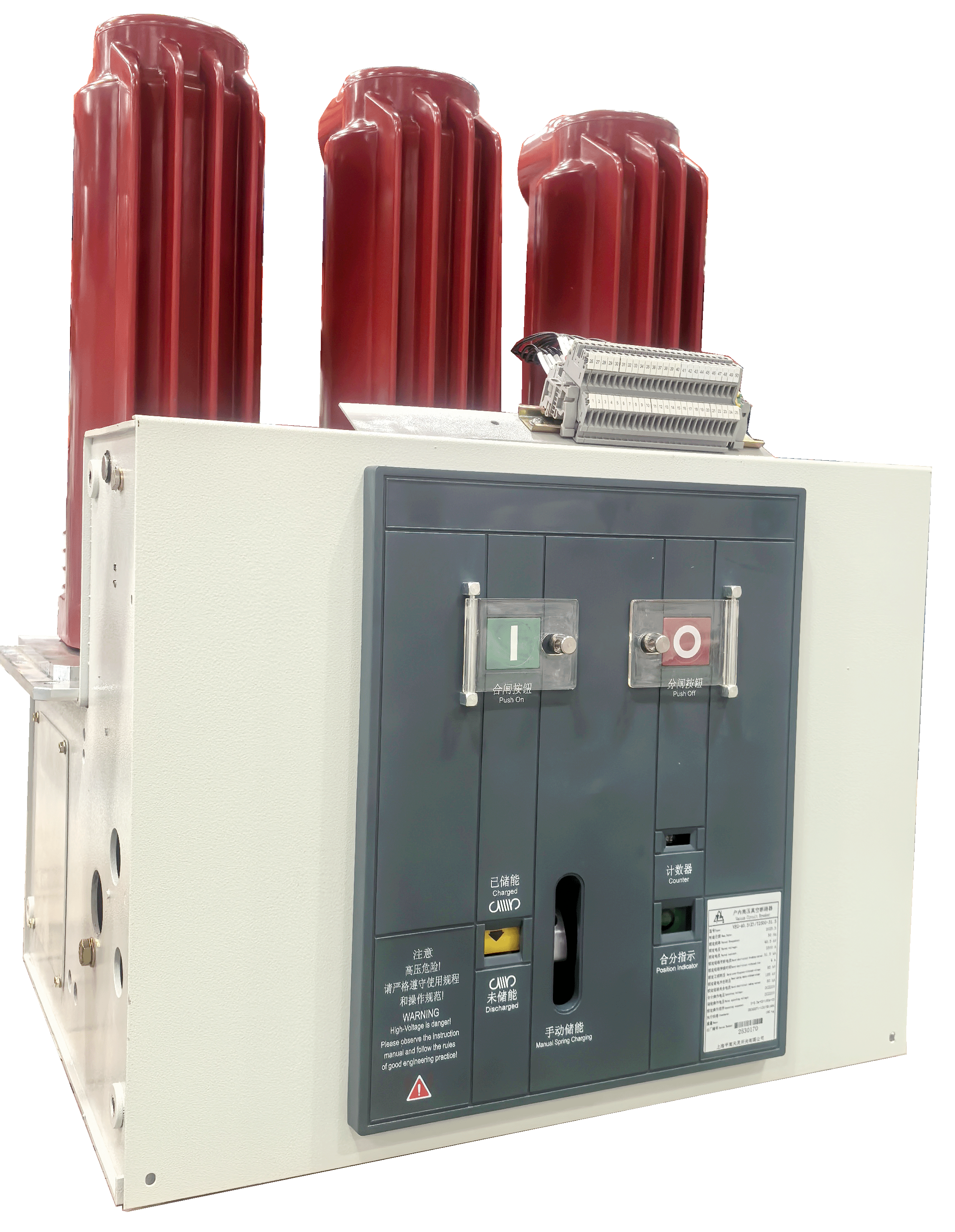
VEG-12/24/40.5 Series Vacuum Circuit Breaker
SHANGHAI PINGGAO TIANLING SWITCHGEAR CO., LTD.
714CD Series C-Band Weather Radar
Chengdu Zhongdian Jinjiang Information Industry Co., Ltd.
NISELA Series Environmentally Friendly Gas-Insulated Ring Main Unit
XJ DELISHIER ELECTRIC CO., LTD.
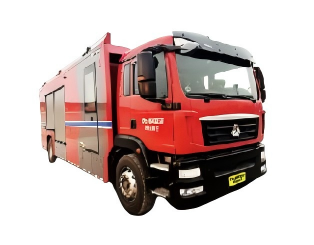
Modular Multifunctional Water Supply and Drainage Vehicle (18T)
Changsha Dewater Machinery Technology Co., Ltd.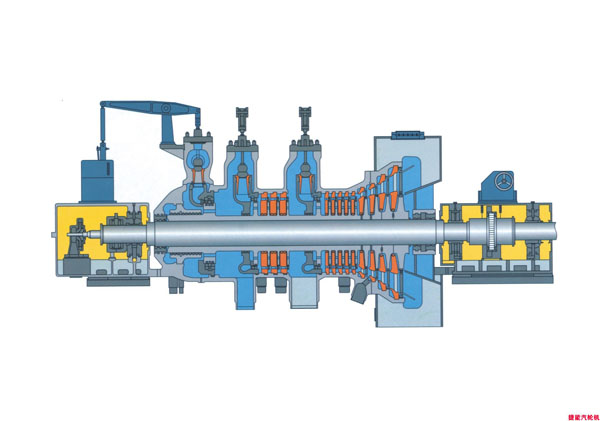
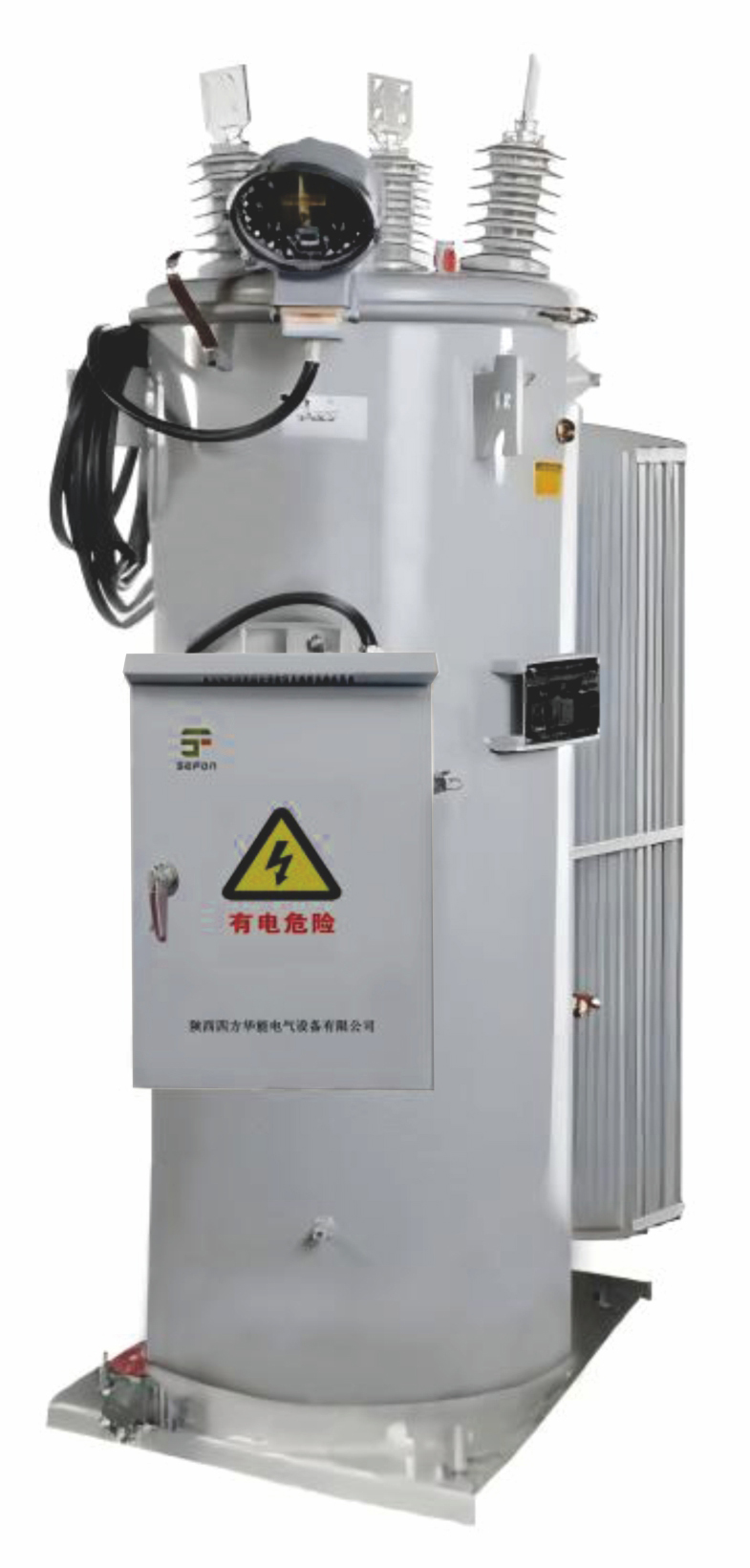
Single-Phase Automatic Voltage Regulator(AVR)
Shaanxi Sefon Electrical Equipment Co.,Ltd.
Electromagnetic Fluid Seawater Floating Oil Separation and Recover Equipment
Huate Magnet Group Co., Ltd.