Power Line Fittings Are Entering Structural Demand Growth as Grid Investment Accelerates
As global electricity demand continues to rise, transmission and distribution infrastructure is entering a new construction cycle. The International Energy Agency expects global electricity demand to grow at an average annual rate of 3.6% from 2026 to 2030, much faster than the average of the previous decade. To meet electricity demand growth through 2030, annual grid investment needs to increase by around 50% from today’s level of about USD 400 billion. This means continued growth in transmission lines, distribution network upgrades, renewable energy delivery projects and cross-regional interconnections, all of which support long-term demand for line fittings.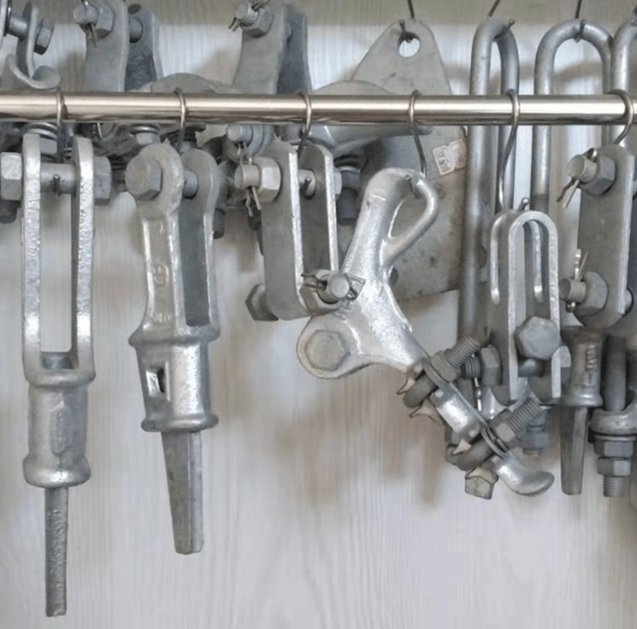 Against this background, Power Line Fittings are no longer merely supporting components in overhead lines. They are critical parts affecting line safety, mechanical strength, electrical performance and maintenance reliability. Tension clamps, suspension clamps, splicing fittings, connecting fittings, vibration dampers, protective fittings and insulator-string fittings may not have the unit value of transformers, conductors or towers, but they are large in quantity, widely distributed and highly consequential if they fail.
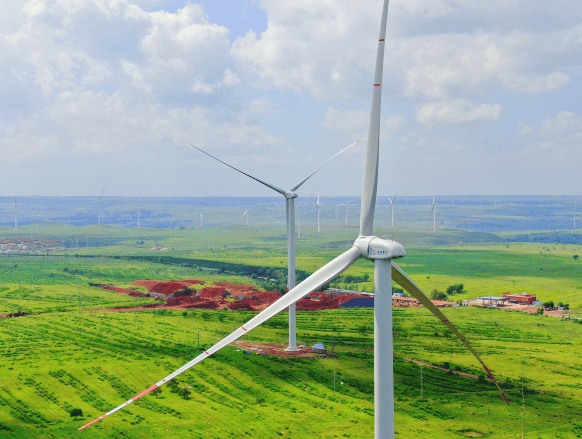
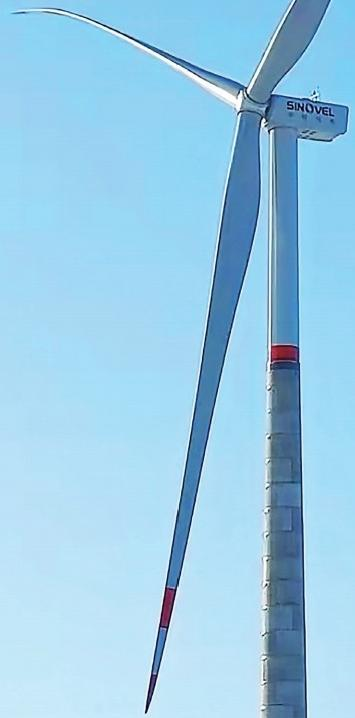
Current demand comes mainly from three application scenarios. The first is high-voltage and extra-high-voltage line construction, where higher voltage levels require stronger mechanical load capacity, better thermal stability and improved corona control. The second is distribution network renewal, where large numbers of aging lines require replacement of connection, suspension, vibration-control and splicing fittings. The third is renewable energy delivery. Wind and solar bases are often located in high-altitude, windy, dusty, icy or high-temperature-difference areas, creating higher requirements for corrosion resistance, fatigue resistance and environmental adaptability.
Market data also show a growth trend. Market Intelo estimates that the global overhead line fittings market was valued at about USD 1.85 billion in 2024 and is forecast to reach USD 3.12 billion by 2033, with a CAGR of around 5.8%. While this type of third-party market estimate cannot replace actual project procurement data, it reflects continued demand driven by grid construction and line upgrades.
In the future, manufacturers should not rely only on low-price competition. They need stronger capabilities in materials, processes, testing and engineering adaptation. For owners and EPC contractors, selection should not depend only on specifications and price lists. Load class, corrosion resistance, temperature-rise performance, corona behavior, fatigue life, type tests and project references should all be reviewed. In a period of accelerating grid investment, valuable Power Line Fittings are not simply those that can be installed, but those that can operate reliably for decades under complex conditions.