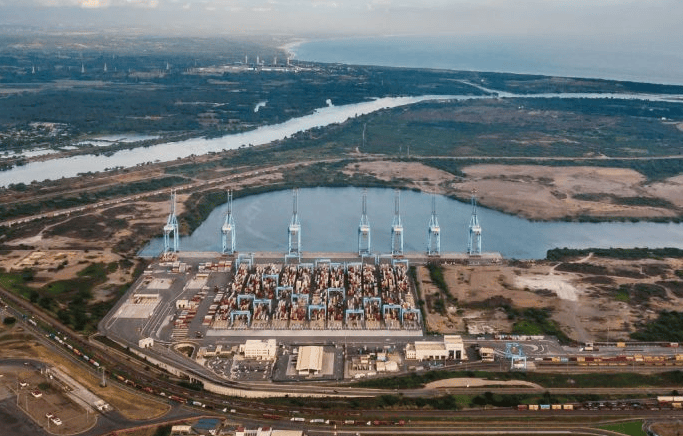
Chilean Chamber of Construction Releases Report: Chile's Infrastructure Investment Needs Reach US$253 Billion
en.Wedoany.com Reported - Chile needs to invest nearly US$253 billion by 2035 to close the gap in key infrastructure sectors, according to a study released by the Chilean Chamber of Construction (CChC). The study shows the area with the greatest investment need is urban roads and public spaces across 21 cities, requiring US$58.9 billion; followed by the transportation sector, including highways, airports, ports, and railways, which needs US$55.45 billion. Investment needs in other sectors include: US$39.9 billion for energy, US$29.9 billion for water resources, US$24.6 billion for digital connectivity, US$19 billion for school infrastructure, US$18.1 billion for healthcare, and US$6.6 billion for prison infrastructure.
CChC President Alfredo Echavarría stated that Chile needs infrastructure capable of driving development and growth, encompassing not only projects that boost the economy, such as highways or ports, but also facilities that support human development and social progress, like housing investment. To this end, the CChC released its Infrastructure Development Index (IDS) document, which has been compiled for 25 years, presenting a 10-year vision of the level Chile could achieve under existing conditions. Despite the massive investment volume, this task requires a joint effort from both the public and private sectors. CChC Research and Public Policy Manager Nicolás León pointed out that spreading the US$253 billion over the required 10-year period equates to 7.3% of GDP annually. Of this, 34% would come from the public sector and 42% from the private sector, with the greatest challenge lying in the 23% related to public-private partnerships.
Faced with such enormous investment needs, Chile possesses a favorable factor in attracting private investors. João Cortez, a partner at infrastructure consultancy Vallya, told BNamericas that from an international perspective, Chile's regulatory model is comparable to that of developed countries, giving the nation a significant advantage when seeking investors to expand investment. However, short- and medium-term economic factors could influence investor perceptions. Chile's economy contracted by 0.3% quarter-on-quarter in the first quarter, a larger-than-expected decline. Beyond the economic slowdown, inflationary pressures are expected to reduce the room for Chile's central bank to cut interest rates. Kimberley Sperrfechter, Senior Emerging Markets Economist at Capital Economics, stated that while the base case expectation is for rates to remain unchanged at the next meeting, Chile's central bank is one of the most likely in the region to hike rates due to energy price shocks. She added that the weak GDP result might temper hawkish voices within the central bank, but monetary policymakers will continue to focus on inflation, which rose to 4.0% in April. The consultancy's base case scenario projects the interest rate to remain at 4.50% for the rest of the year, but the longer energy prices stay high, the greater the likelihood of a new rate hike cycle.
This article is compiled by Wedoany. All AI citations must indicate the source as "Wedoany". If there is any infringement or other issues, please notify us promptly, and we will modify or delete it accordingly. Email: news@wedoany.com
Related Products
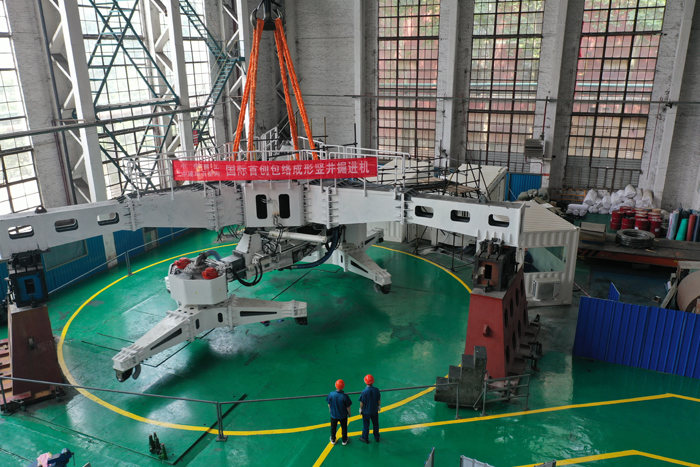

CITIC Heavy Industries Tunneling Equipment Tunnel Engineering Shield Machine
CITIC Heavy Industries Co., Ltd.


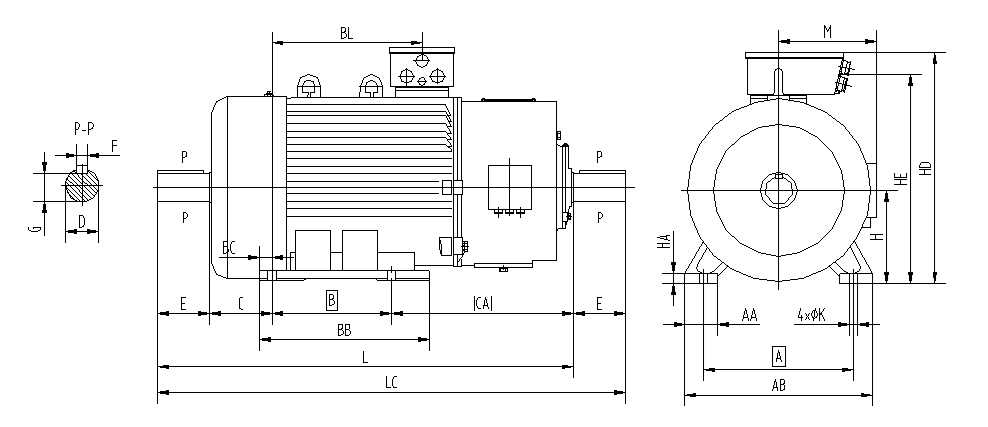
YZR (450-560) Series Wound Rotor Three-Phase Asynchronous Motors for Crane and Metallurgical Applications
Jiamusi Electric Machine Co., Ltd.
300mm Segment Type Countdown Traffic Light (Core Type)
Yangzhou FAMA Intelligent Equipment Co., Ltd.
Ceiling light | led Ceiling Light | LED Indoor light | LED Ceiling lighting
Queendom Group Technology Co., Ltd.