Wales Quietly Advances Building Safety Reforms with a Broader Scope than England's Legislation
en.Wedoany.com Reported - Wales will implement a new statutory building safety framework from July 2026, covering the entire lifecycle of residential buildings from design and construction to ownership and management, with a regulatory scope broader than the current regulations in England.
While this framework appears superficially similar to the Building Safety Act introduced in England in 2022, featuring accountable persons, gateway approvals, and a "golden thread" requirement, significant differences exist between the two. Wales has opted for a wider regulatory coverage and decided to enforce regulation through local authorities rather than establishing a single national regulator, creating a distinctly different operating environment.
The most fundamental change lies in the occupation phase. In England, the strictest requirements apply only to high-risk buildings such as high-rise residential blocks; Wales, however, brings all multi-occupied residential buildings under regulation, regardless of height. The Welsh Government believes that building safety risks are not confined to high-rise structures. This measure means that a large portion of the residential market in England, which falls outside occupation phase regulation, will face formal safety obligations in Wales.
To manage such a broad scope, the Welsh framework introduces a three-tier classification system. High-rise buildings bear the heaviest safety obligations, aligning with the English model. Mid-rise buildings must address both fire and structural safety risks but are not required to complete the full safety case report and certification process. Low-rise buildings are not exempt either; they must comply with fire safety requirements and bear ongoing obligations to assess, manage, and record risks. This subjects the entire residential sector to compliance requirements, rather than stopping at a certain height threshold.
For landlords and investors, the regulatory footprint expands significantly. Accountable person duties, previously applicable only to a few asset classes in England, will now cover the majority of their portfolios in Wales. Asset managers will need a clearer grasp of building data, risk assessments, and resident engagement processes. Anyone acquiring residential property in Wales will need to invest more effort in building safety due diligence.
Differences also exist during the construction phase. High-risk developments in Wales will pass through phased gateway approvals managed by local authorities, rather than being overseen by a building safety regulator as in England. This approach may foster closer working relationships and more pragmatic decision-making, but the challenge lies in potential variations in capacity, resources, and interpretation among different local authorities, leading to a degree of unpredictability and inconsistency in decisions, particularly for developers operating across regions or borders.
Furthermore, Wales adopts a broader definition of high-risk buildings for construction purposes. This means projects not controlled in England could fall under Welsh regulatory control, having a tangible impact on developers' procurement strategies, project scheduling, and cost planning.
Through these changes, Wales embeds building safety into the entire lifecycle of residential property. Decisions made at the design stage will influence the building's construction, occupation, and even future transactions. The "golden thread" is not just a completion requirement but will become an operational certainty affecting asset management, valuation, and investment decisions. Developers need to adapt their construction planning approaches for Wales; investors need to accurately understand how their portfolios map onto the new classifications; asset managers need to support systems for continuous risk management rather than periodic certification; and boards need clarity on the attribution of responsibilities and the resources required to support them.
This article is compiled by Wedoany. All AI citations must indicate the source as "Wedoany". If there is any infringement or other issues, please notify us promptly, and we will modify or delete it accordingly. Email: news@wedoany.com
Related Products


Acoustic Mineral Fiber Ceiling Tile 595x595x12mm
Shanxi Pano Trading Co., Ltd

Ultra-pure Ferritic Stainless Steel Products
Gansu JISCO Group Hongxing Iron and Steel Co., Ltd.
ERW Welded Pipe (Black Pipe and Hot-dip Galvanized Steel Pipe)
Handan Zhengda Steel Pipe Co., Ltd.
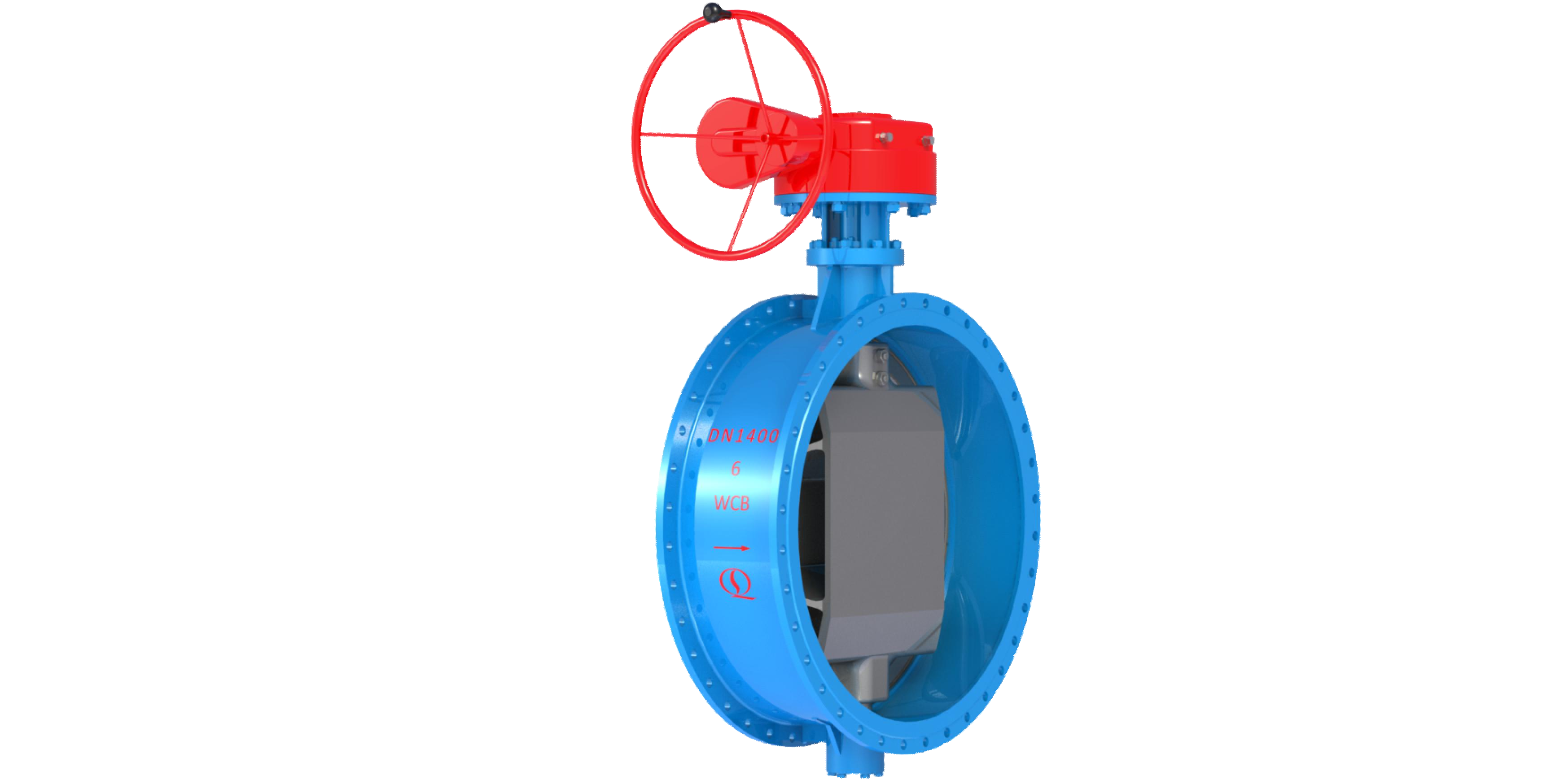
Bidirectional Metal Hard Sealed Seawater Butterfly Valve
Henan Quanshun Flow Control Science & Technology Co., Ltd.

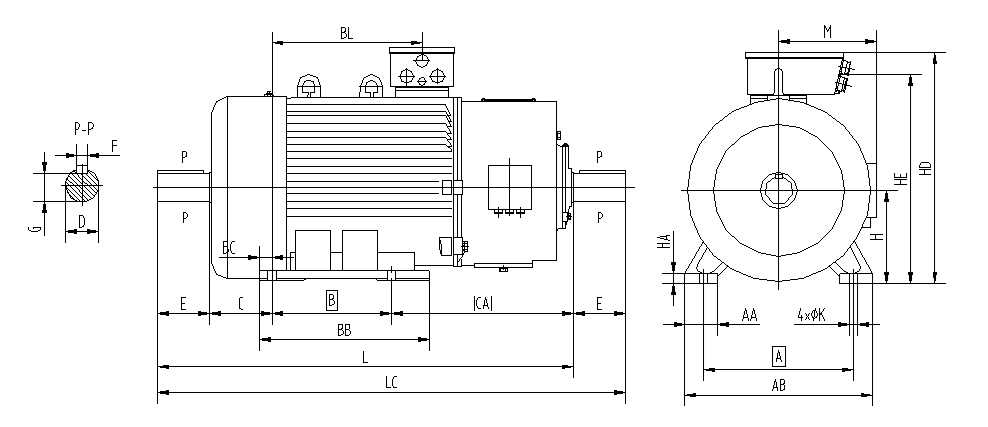
YZR (450-560) Series Wound Rotor Three-Phase Asynchronous Motors for Crane and Metallurgical Applications
Jiamusi Electric Machine Co., Ltd.