In Hydrogen Fuel Applications, Charging and Battery Swapping Equipment Is Moving Toward Integrated Refueling, Charging and Dispatch
en.Wedoany.com Reported - When people discuss Charging and Battery Swapping Equipment, they usually think of EV chargers, battery swapping stations and pure electric vehicle energy networks. In hydrogen fuel applications, however, the term should be understood differently. It refers not only to EV charging equipment, but to an integrated energy equipment system covering hydrogen refueling, auxiliary charging, station energy storage, dispatch and safety management for fuel cell vehicles.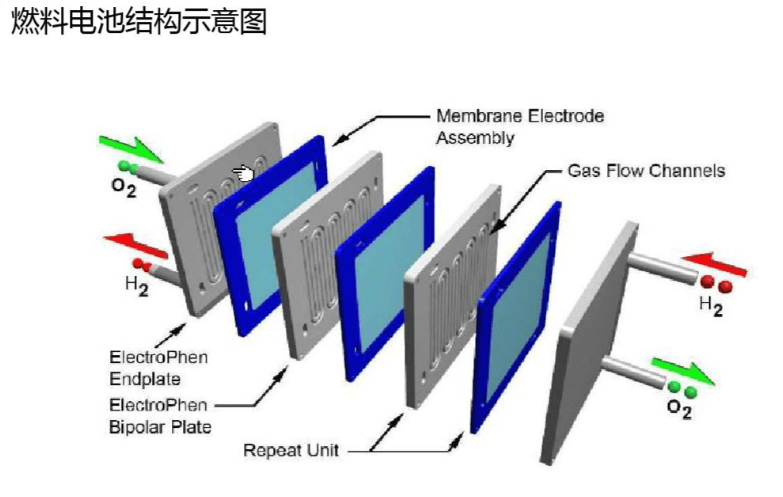
Hydrogen fuel cell vehicles are not vehicles without batteries. They typically combine fuel cell systems, traction batteries, hydrogen storage, motors, power electronics and thermal management. The fuel cell provides continuous power, while the battery supports peak power, regenerative braking and fast response. Therefore, infrastructure for buses, heavy trucks, port tractors and mining vehicles should not focus only on hydrogen refueling. It should also consider electrical system testing, auxiliary charging, station energy storage, battery health management and fleet dispatch.
The hydrogen industry is still in an early commercialization stage. IEA data show that global hydrogen production reached almost 100 Mt in 2024, but less than 1% came from low-emissions technologies. Low-emissions hydrogen projects are progressing, but high costs, uncertain demand and slow infrastructure development remain barriers. This means hydrogen energy infrastructure should not blindly pursue station numbers; it should improve utilization around real operating scenarios.
In hydrogen vehicle applications, Charging and Battery Swapping Equipment has three main values. First, it supports integrated vehicle energy replenishment, including hydrogen refueling, auxiliary battery checks and necessary charging. Second, it uses station energy storage to balance power demand for compressors, cooling systems, lighting, monitoring and safety systems. Third, it supports fleet dispatch by managing refueling, maintenance, battery status and operating routes together.
Hydrogen energy stations should not simply copy ordinary EV charging station models. For fuel cell trucks, buses and port vehicles, station design should consider fleet schedules, daily hydrogen demand, peak refueling windows, grid capacity, compressor load and backup power needs. The future value of hydrogen-oriented Charging and Battery Swapping Equipment will not lie in a single device, but in an energy service system that supports high-frequency, safe and stable vehicle operation.
This article is compiled by Wedoany. All AI citations must indicate the source as "Wedoany". If there is any infringement or other issues, please notify us promptly, and we will modify or delete it accordingly. Email: news@wedoany.com
Related Products


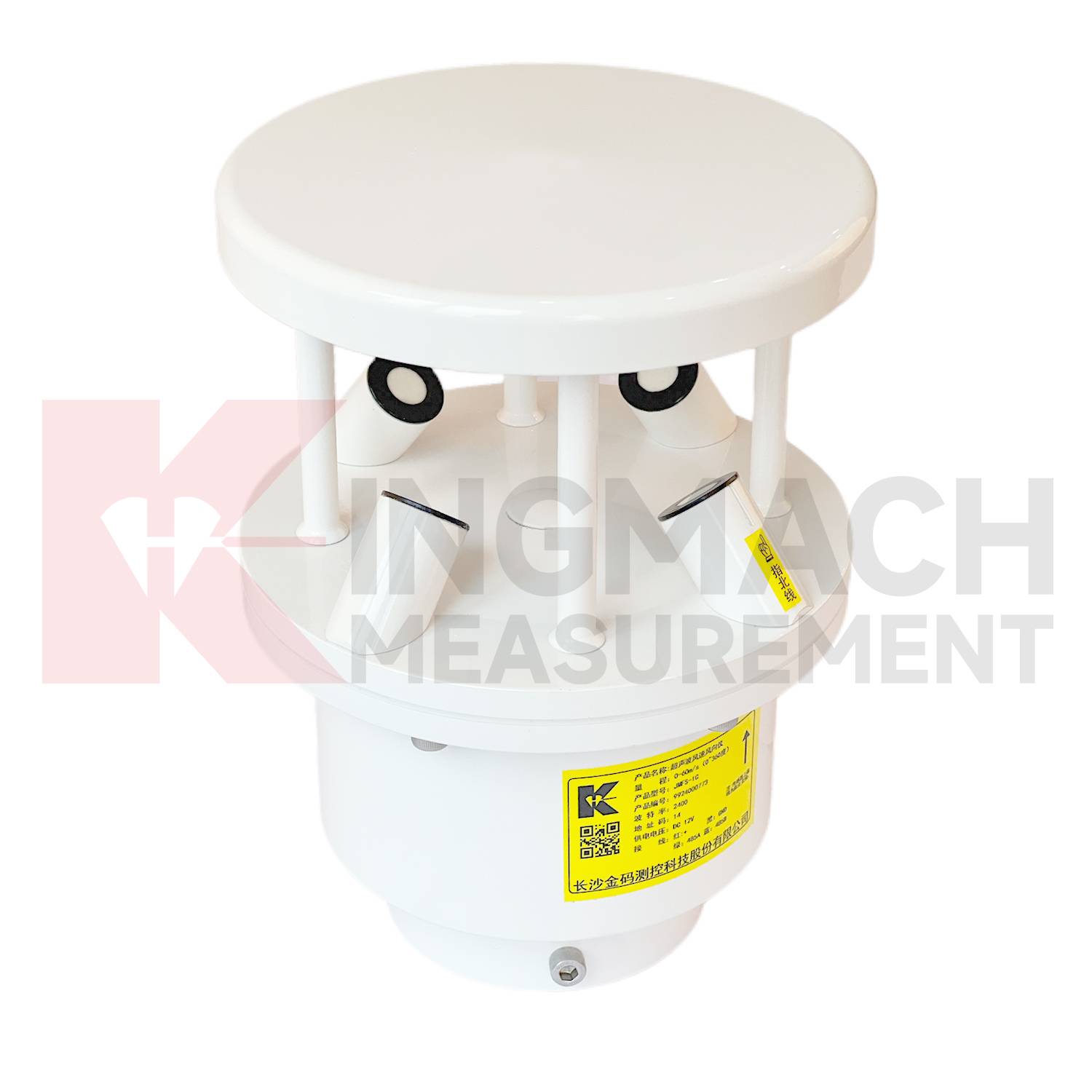
Ultrasonic Wind Speed and Direction Instrument
Kingmach Measurement & Monitoring Technology Co., Ltd.


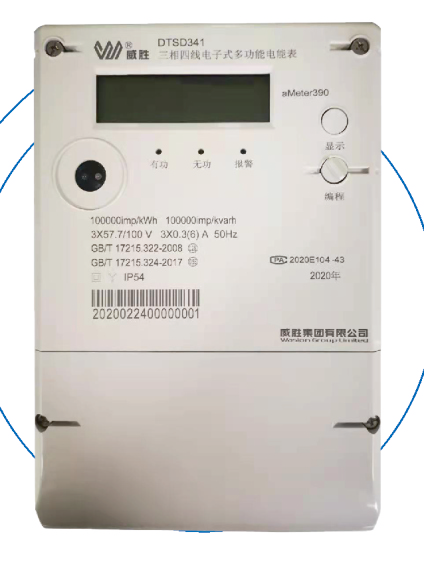
Overseas IEC Gateway Energy Meter - DTSD341/DSSD331-aMeter390
Wasion Group Limited Co., Ltd.
High-voltage Direct Current (HVDC) Transmission System Research and Integrated Design
XI'AN XD POWER SYSTEMS CO., LTD.