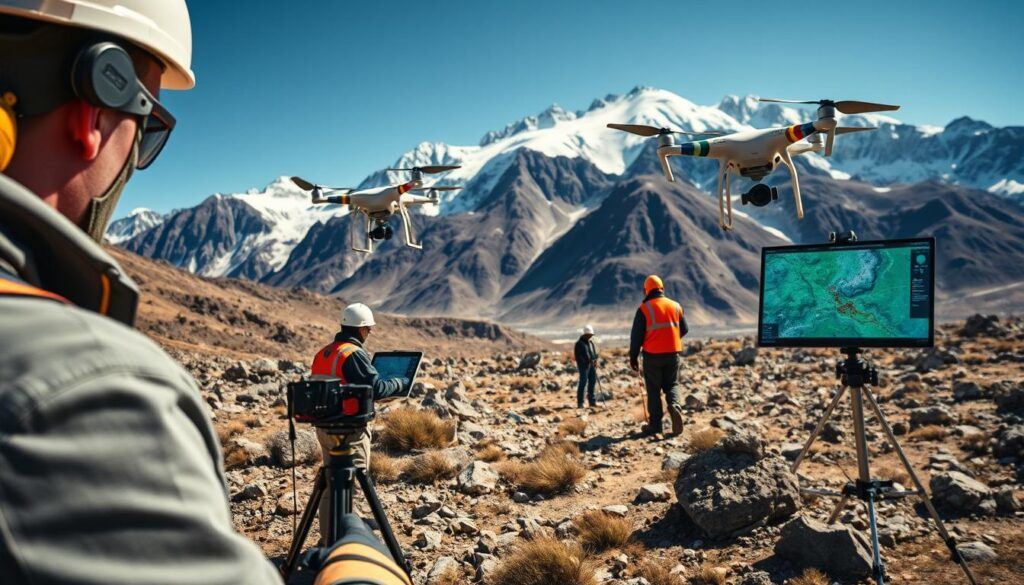
en.Wedoany.com Reported - Many mines have connected equipment, video monitoring and production dispatch systems, yet they still do not operate as smart mines. The reason is that connectivity is only the first step. If data does not enter decision-making, control logic and field execution, Smart Mine Engineering remains at the stage of seeing data without solving problems.
Smart mine architecture should answer three questions: where data comes from, how data is understood and how data becomes action. Data sources include drills, excavators, haul trucks, crushers, conveyors, fans, pumps, processing equipment, tailings facilities, environmental monitoring and personnel positioning systems. Understanding data requires unified coding, time synchronization, coordinate consistency, condition recognition and algorithms. Turning data into action requires dispatch instructions, remote control, warning closure, maintenance work orders and management assessment.
Global Mining Guidelines Group’s work areas include AI and advanced data applications, autonomous mining, cybersecurity, data access and interoperability, electric mining, and underground mine communication infrastructure. This shows that smart mining is not a closed system from one vendor. It needs data standards and coordination across equipment, systems and business functions.
Many smart mine projects fail because data remains fragmented. Dispatch systems do not know equipment health. Maintenance systems do not know mine plans. Processing plants do not know feed ore changes. Safety systems do not know production adjustments. Energy systems do not know load plans. Each system operates, but the mine still relies on meetings and experience.
Smart Mine Engineering architecture should follow one data foundation, multiple business applications and closed-loop execution. First, mines should build unified master data for equipment, people, pits, ore bodies, processes, materials and cost. Second, production, safety, equipment, energy, processing and tailings data should be integrated. Third, warnings should turn into work orders, dispatch instructions or interlock actions. A real smart mine is not one with many dashboard numbers; it is one where data changes field behavior.
This article is compiled by Wedoany. All AI citations must indicate the source as "Wedoany". If there is any infringement or other issues, please notify us promptly, and we will modify or delete it accordingly. Email: news@wedoany.com