en.Wedoany.com Reported - In smart mine projects, unmanned operation is often used as a promotional headline. From an engineering perspective, however, the first goal of Smart Mine Engineering should not be a fully unmanned mine. A more practical path is reducing worker exposure, moving operators away from high-risk, dusty, noisy, hot, high-stress and blind-spot areas, and using remote operation plus intelligent assistance.
Safety remains a global mining challenge. ICMM’s 2024 safety performance data reported 42 workplace fatalities among member companies in 2024, compared with 36 in 2023 and 33 in 2022. This reminds the industry that smart mining should first serve safety, not only production and cost.
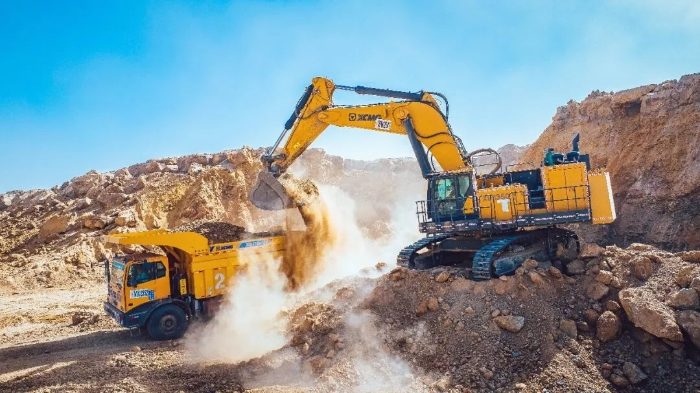
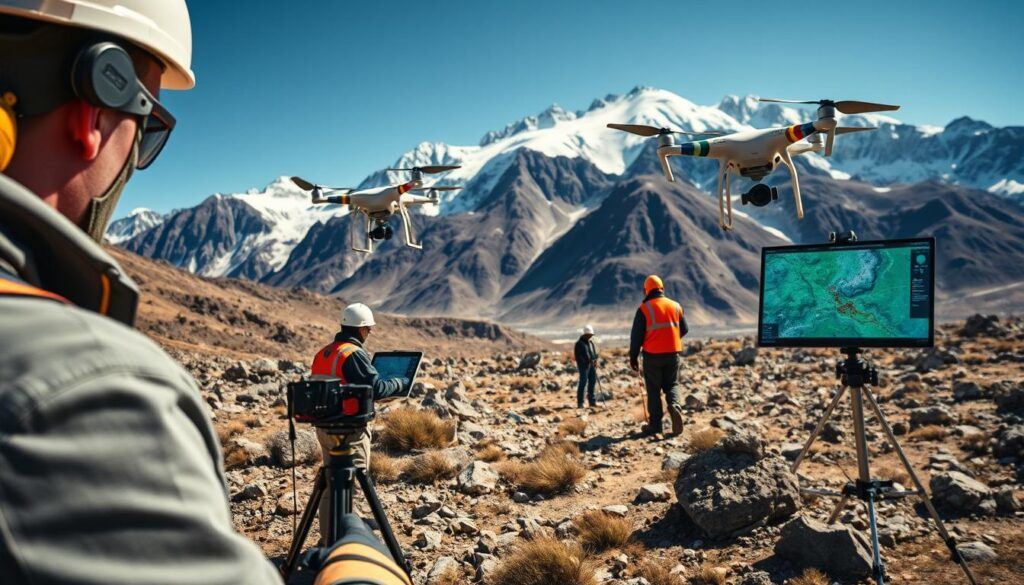
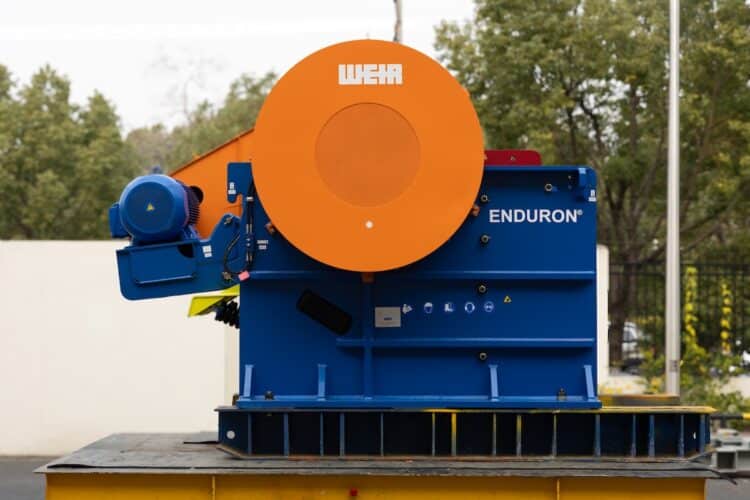
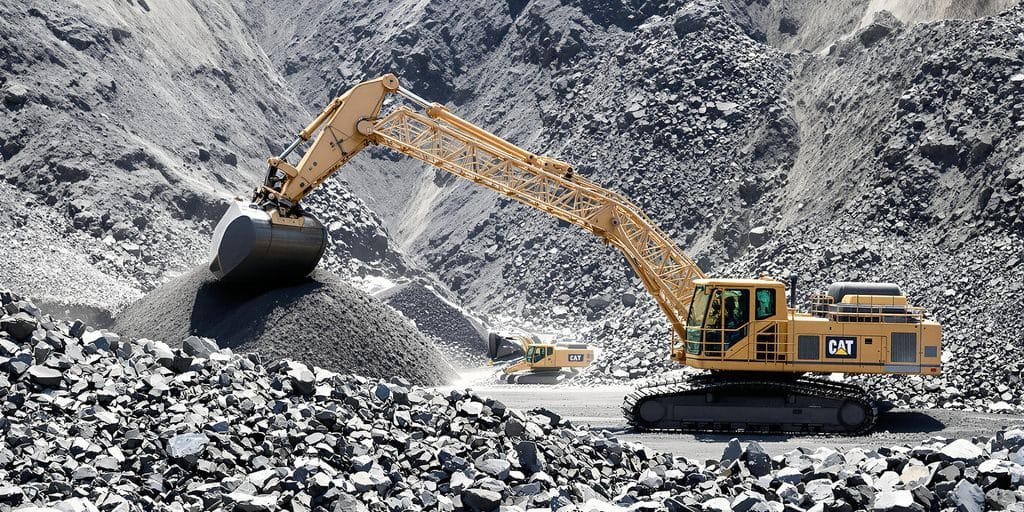
Autonomous mining includes automated drills, remote excavators, autonomous haul trucks, automated crushers, intelligent conveyors, remote LHDs, automated charging, personnel positioning and collision avoidance. Surface mines can start with truck haulage, drilling automation and crusher dispatch. Underground mines can start with remote mucking, hazardous-area inspection, post-blast ore removal and unmanned fixed stations.
The engineering challenge is that automation does not operate in isolation. Autonomous trucks require high-definition maps, road maintenance, slope monitoring, communication coverage, dispatch algorithms and mixed-fleet rules. Remote LHDs require low-latency networks, video perception, standardized headings and emergency takeover. Automated drilling requires geological models, hole planning, drilling parameters and machine status integration. Without these foundations, unmanned equipment can reduce efficiency and transfer safety risks.
Smart Mine Engineering should begin autonomous mining with a worker-exposure map. All roles should be ranked by risk, and the most dangerous, repetitive and remote-controllable tasks should be improved first. Stage one reduces worker entry into danger zones. Stage two enables remote control. Stage three builds local automation. Stage four considers multi-machine autonomous coordination. The real value is not having nobody onsite, but having fewer people in hazardous areas, controlled key operations and takeover capability during abnormal states.
This article is compiled by Wedoany. All AI citations must indicate the source as "Wedoany". If there is any infringement or other issues, please notify us promptly, and we will modify or delete it accordingly. Email: news@wedoany.com