en.Wedoany.com Reported - The German Fraunhofer Institute for Laser Technology ILT, in collaboration with the R&D center of Coatema Coating Machinery GmbH, is advancing the industrial application of laser drying technology in battery electrode manufacturing. This technology promises to reduce energy consumption by 30% to 50% and decrease equipment footprint by 50% to 70%.
Industrial drying processes consume vast amounts of energy, particularly in battery electrode manufacturing. Thomas Kabul, Vice President of the R&D Center at Coatema, points out that if a coating line runs at high speeds of 80 to 100 meters per minute, the accompanying drying oven must be equally long, occupying significant factory floor space. The team led by Dr. Samuel Moritz Fink, Head of the Thin Film Processing Department at Fraunhofer ILT, is dedicated to exploring how laser drying can enable more sustainable manufacturing processes.
The laboratory houses a complete laser drying test system, including a hot-air drying module for benchmarking, a coating module, and a laser drying module. The research focuses on lithium-ion battery electrodes, while also exploring electrode materials for fuel cells, printed electronics, and other fields. The core advantage of laser drying lies in its different energy transfer method: traditional hot-air drying heats the air via convection, which then heats the electrode, resulting in low efficiency; laser radiation, however, is absorbed directly by the material, heating the electrode directly.
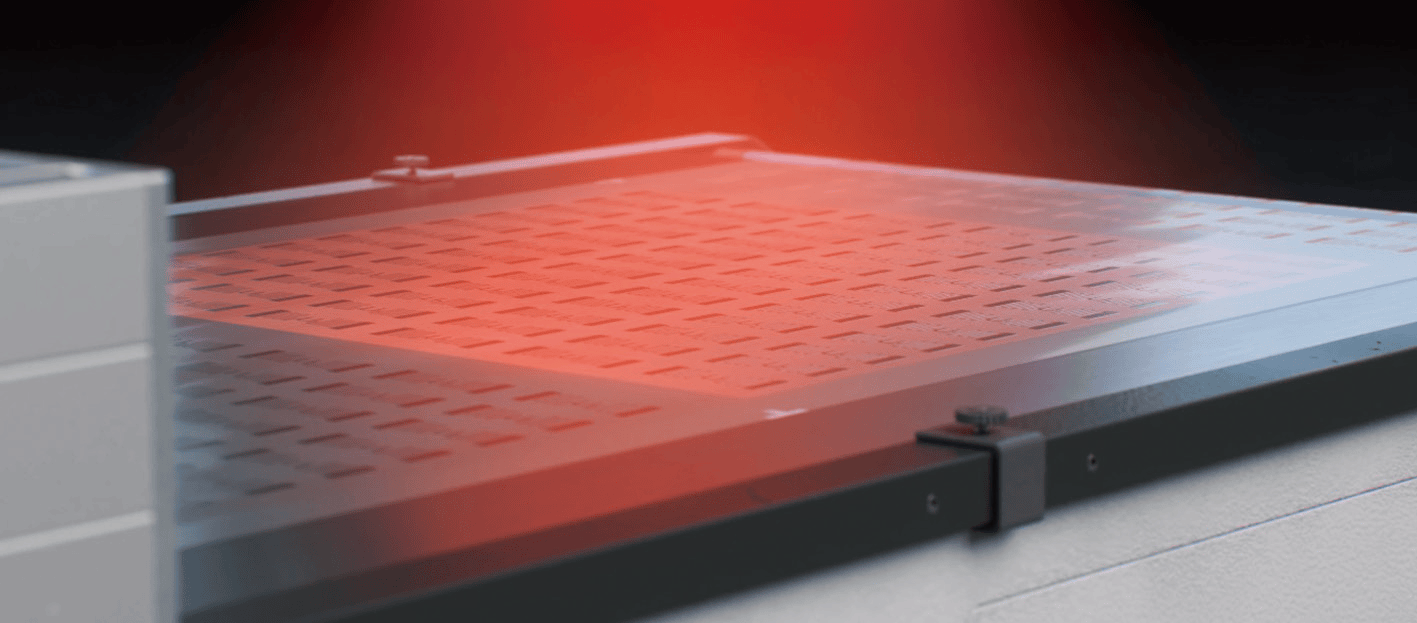
The Fraunhofer laser drying module integrates two Laserline laser systems, combined with optics to create two large rectangular laser spots with a total width of 0.8 meters, covering the electrode area requiring heating. The research team uses a thermal imaging camera to measure the drying process temperature in real-time and precisely controls temperature and drying conditions through closed-loop control of laser power output.
At Coatema's R&D center, a drying system integrating two laser systems is already operational, with a total spot length of 1 meter, expandable to a width of 1.2 meters, fully covering the battery coating area. This equipment is positioned as a "booster," placed at the front end of a conventional drying oven. By rapidly removing most of the solvent, it significantly shortens the length of the subsequent hot-air drying oven. Furthermore, the system can be placed at the end of the drying line as a post-drying system to remove residual trace solvents.
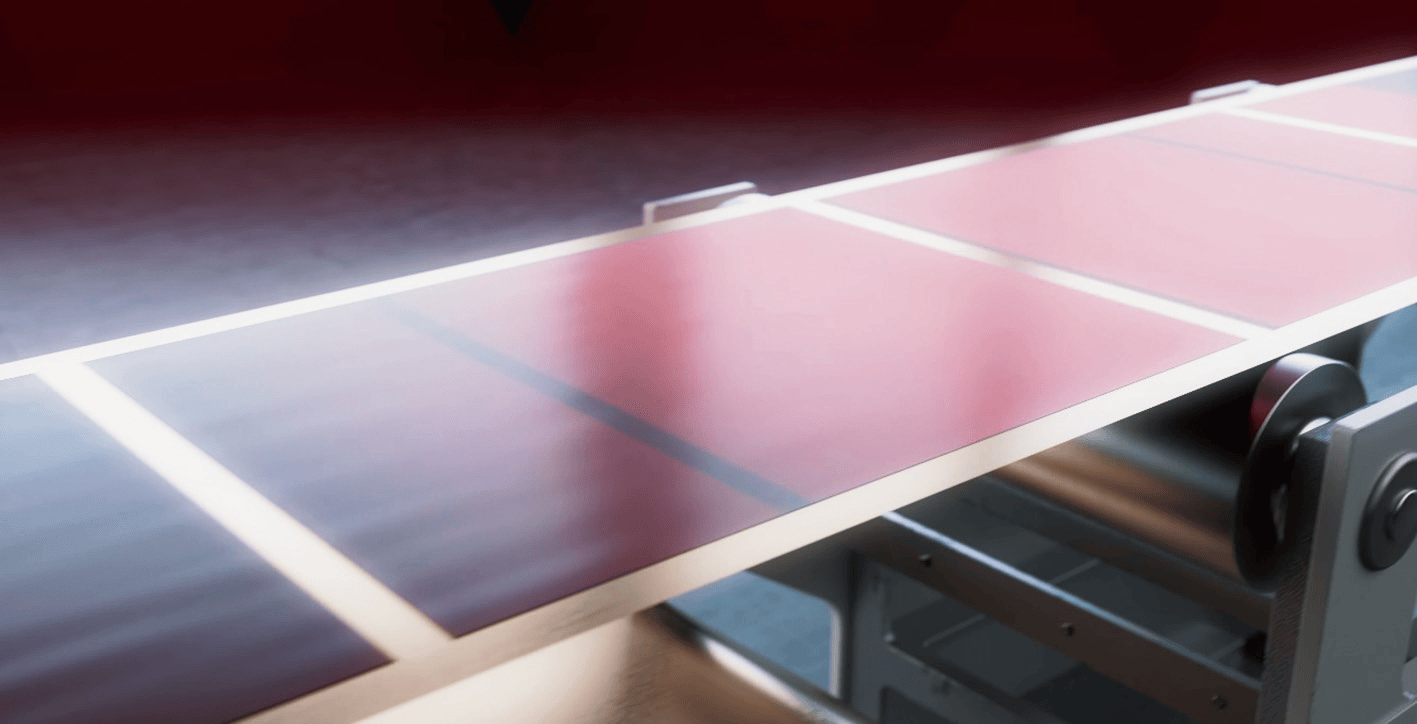
A significant breakthrough brought by laser technology is in-line thermal imaging monitoring. Kabul notes that traditional convection drying ovens are only equipped with a few infrared sensors, failing to provide complete temperature distribution information; the laser system enables thermal imaging cameras to monitor the entire web in real-time, shifting from one-dimensional single-point measurement to two-dimensional comprehensive monitoring. This enhanced capability helps precisely understand the drying process and improve battery manufacturing yield. In intermittent coating processes, the laser can start and stop quickly, drying only the coated sections without touching the uncoated substrate, thus avoiding thermal stress damage. This characteristic makes laser drying suitable for applications requiring intermittent coating, such as electrolyzer coatings and printed electronics.
Samuel states that the existing system is already very close to industrial scale, allowing the study of scaling factors and components affecting the drying system in a continuous process. The next step is to move from the current pilot line to true industrial scale. Kabul believes that laser drying is not just an energy-saving technology, but a platform technology capable of enhancing production efficiency, optimizing process control, and expanding material applicability.
This article is compiled by Wedoany. All AI citations must indicate the source as "Wedoany". If there is any infringement or other issues, please notify us promptly, and we will modify or delete it accordingly. Email: news@wedoany.com