en.Wedoany.com Reported - The Stung Meteuk II and III hydropower stations in Cambodia, designed with the full-process participation of PowerChina Beijing Engineering Corporation, completed the grid connection of their final unit—Unit 2 of the Stage II station—on May 25 local time, successfully integrating into the Cambodian national grid. The project achieved grid connection for four units within 48 hours, realizing the goal of "four units commissioned in two days."
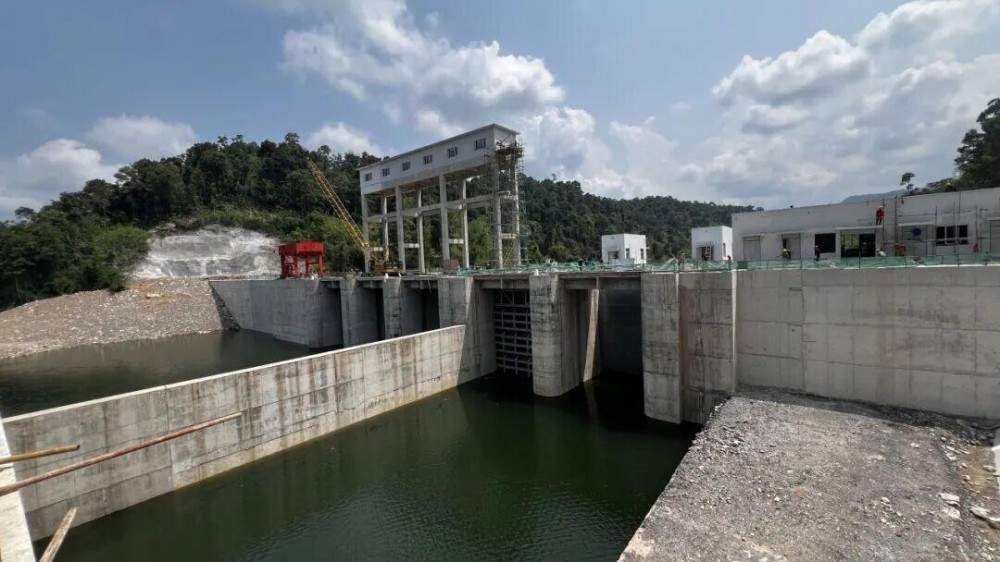
The grid connection process for the four units was closely coordinated and orderly. On May 24, Units 1 and 2 of the Stage III hydropower station successively completed grid connection tests and were successfully connected to the grid; on May 25, Units 1 and 2 of the Stage II hydropower station followed with successful grid connections. All four units were connected to the grid successfully in a single attempt, operating smoothly with voltage, frequency, and phase synchronized with the grid. Key indicators such as vibration, runout, and bearing temperature all met design requirements, laying a solid foundation for the long-term safe and stable operation of the stations.
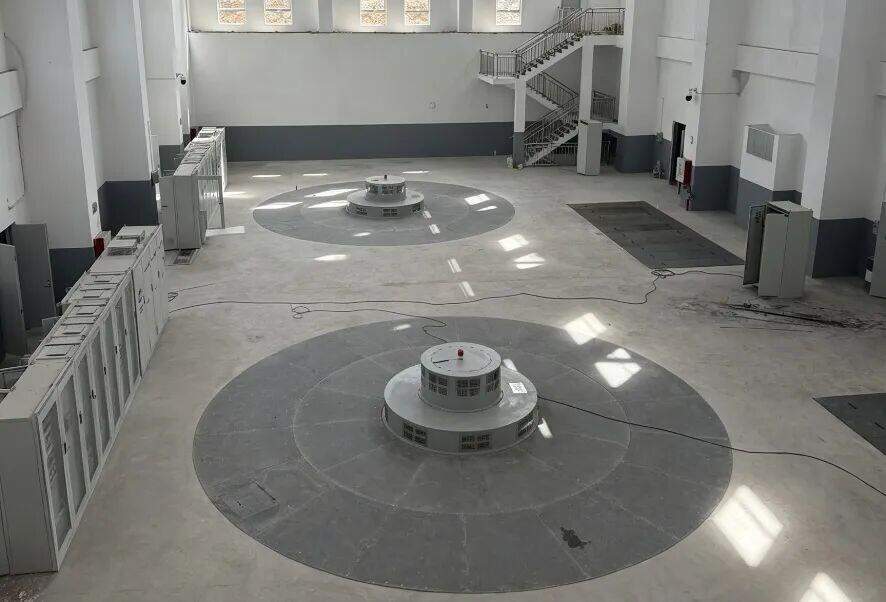
The Stung Meteuk cascade hydropower stations are located at the border between Koh Kong Province, Cambodia, and Trat Province, Thailand, approximately 230 kilometers in a straight line from Phnom Penh, and are developed in three stages. The Stage II and III stations commissioned this time have a total installed capacity of 93 megawatts, with a combined average annual electricity generation of 305 million kilowatt-hours. Both stations adopt a diversion-type development approach, with main structures including barrage dams, intakes, headrace tunnels, surge shafts, penstocks, and surface powerhouses.
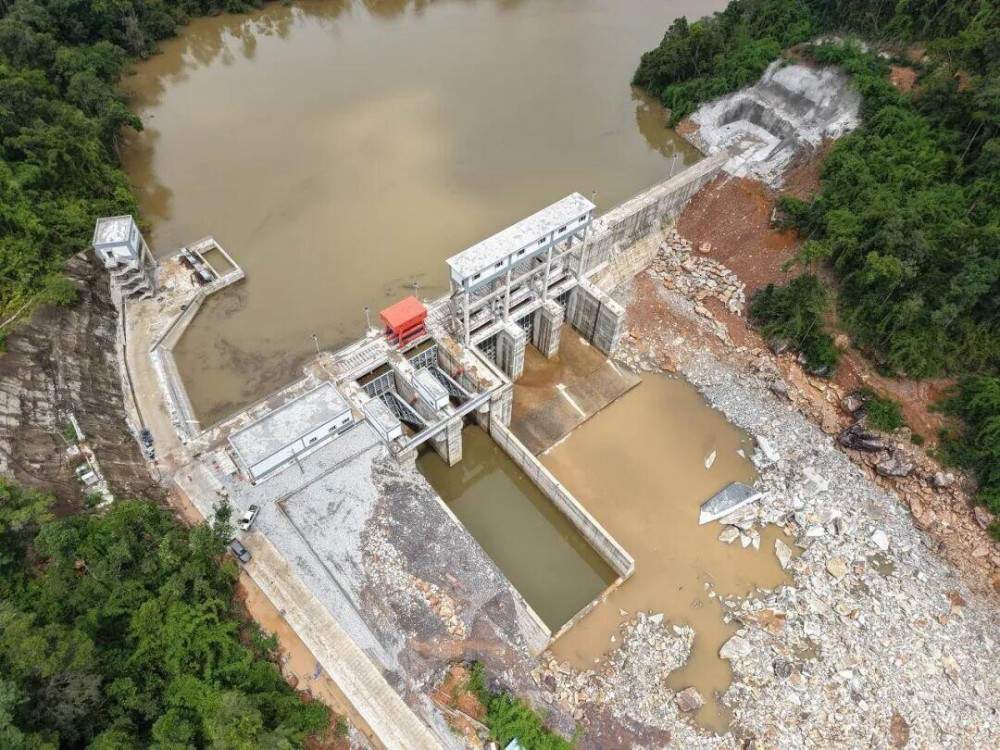
Once fully operational, the Stung Meteuk II and III hydropower stations will enhance the power supply capacity in southwestern Cambodia, alleviate electricity shortages in Koh Kong Province and surrounding areas, provide energy support for local industrial development, livelihood improvement, and infrastructure construction, and promote the green transformation and sustainable development of Cambodia's energy structure.
This article is compiled by Wedoany. All AI citations must indicate the source as "Wedoany". If there is any infringement or other issues, please notify us promptly, and we will modify or delete it accordingly. Email: news@wedoany.com