Report by Spanish Renewable Energy Foundation Proposes Nature-Based Solutions to Address Water Challenges
en.Wedoany.com Reported - The Spanish Renewable Energy Foundation (Fundación Renovables), with support from the Spanish Ministry for Ecological Transition and the Demographic Challenge (Ministerio para la Transición Energética y el Reto Demográfico), has released a report proposing Nature-Based Solutions (NBS) as a complementary approach to addressing water challenges in the context of climate change. The report analyzes the application of these solutions in sustainable water resource management and positions them as actionable alternatives for governments and planning authorities.
Nature-Based Solutions are strategies, measures, and actions that utilize ecosystems and their services to address challenges such as climate change, food security, or disaster risk. Their core principle lies in leveraging natural functions to solve environmental and urban problems, rather than relying solely on traditional technical infrastructure. The report notes that Spain and Europe have already implemented various such actions, including vegetated roofs, stabilization pond systems for treating large volumes of water, and regenerative grazing techniques. In the field of wastewater treatment, the traditional response relies on grey infrastructure, the expansion of which has helped reduce water pollution.
The Spanish Renewable Energy Foundation points out that, in the face of anticipated risks, traditional strategies alone have not achieved the necessary environmental and sustainability goals. In this context, Nature-Based Solutions are envisioned as complementary tools with a dual function: protecting and restoring valuable or degraded ecosystems, and strengthening defenses against extreme events such as floods and droughts. Taking Spain as an example, the most widespread actions in the river sector are related to wetland maintenance and expansion, while solutions directly targeting urban, agricultural, and industrial wastewater treatment are currently less developed and implemented.
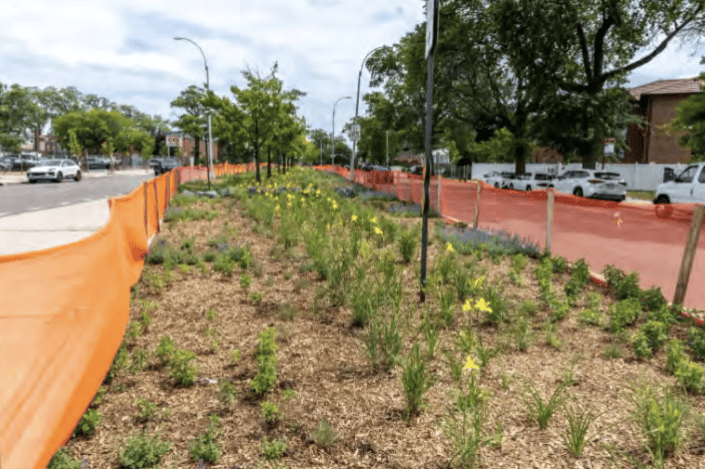
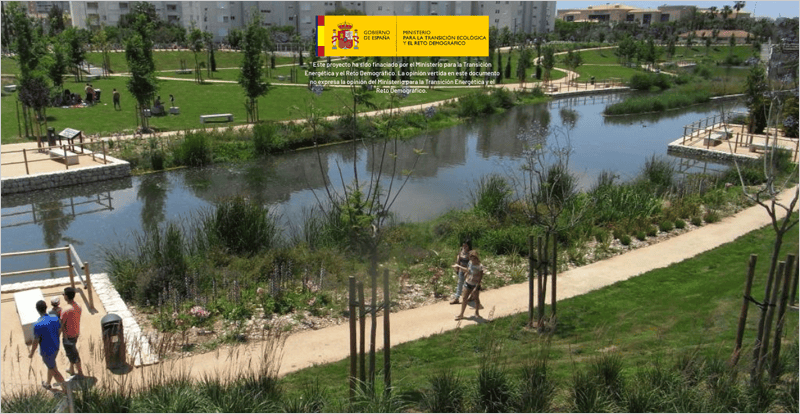
One prominent area of application is sustainable urban drainage systems. The report highlights that the high degree of impermeability in cities is a major problem, as asphalt and pavements reduce water infiltration, limit groundwater recharge in urban areas, and increase runoff accumulation during heavy rainfall. Mentioned solutions include floodable parks, which are designed as recreational and landscape spaces during dry periods but are prepared to receive large volumes of water during intense precipitation. The La Marjal Park in Alicante, covering 3.6 hectares, can store up to 45,000 cubic meters of rainwater; in 2019, it received 22,000 cubic meters of water, which was subsequently directed in a controlled manner to a wastewater treatment plant before final discharge.
The document also records phytoremediation processes, which are based on the capacity of plants to intervene in water treatment. At the urban scale, these systems can be applied through green roofs and green walls, used for water regeneration (for irrigation or toilets). Furthermore, the shade generated by vegetation reduces solar radiation reaching buildings, helping to lower indoor temperatures. Unlike grey infrastructure, Nature-Based Solutions rely on the inherent dynamics of natural processes and require less human intervention; compared to models dependent on reagents, high energy consumption, and intensive maintenance to maximize purification, these solutions incorporate broader environmental objectives.
The report emphasizes that water body restoration is just one of their functions. These installations can also bring additional benefits, including carbon sequestration, increased biodiversity, reduced exposure to floods and other climate risks, and improved landscape value within the environments they are integrated into.
This article is compiled by Wedoany. All AI citations must indicate the source as "Wedoany". If there is any infringement or other issues, please notify us promptly, and we will modify or delete it accordingly. Email: news@wedoany.com
Related Products
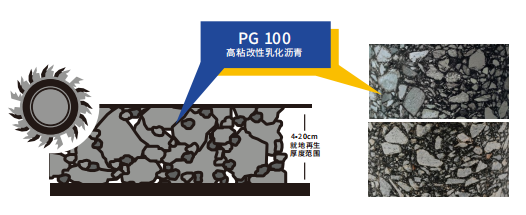

High-toughness in-Situ Cold Recycling Technology for Original Structural Layers
Central Fortune Creation Technology Group Co., Ltd.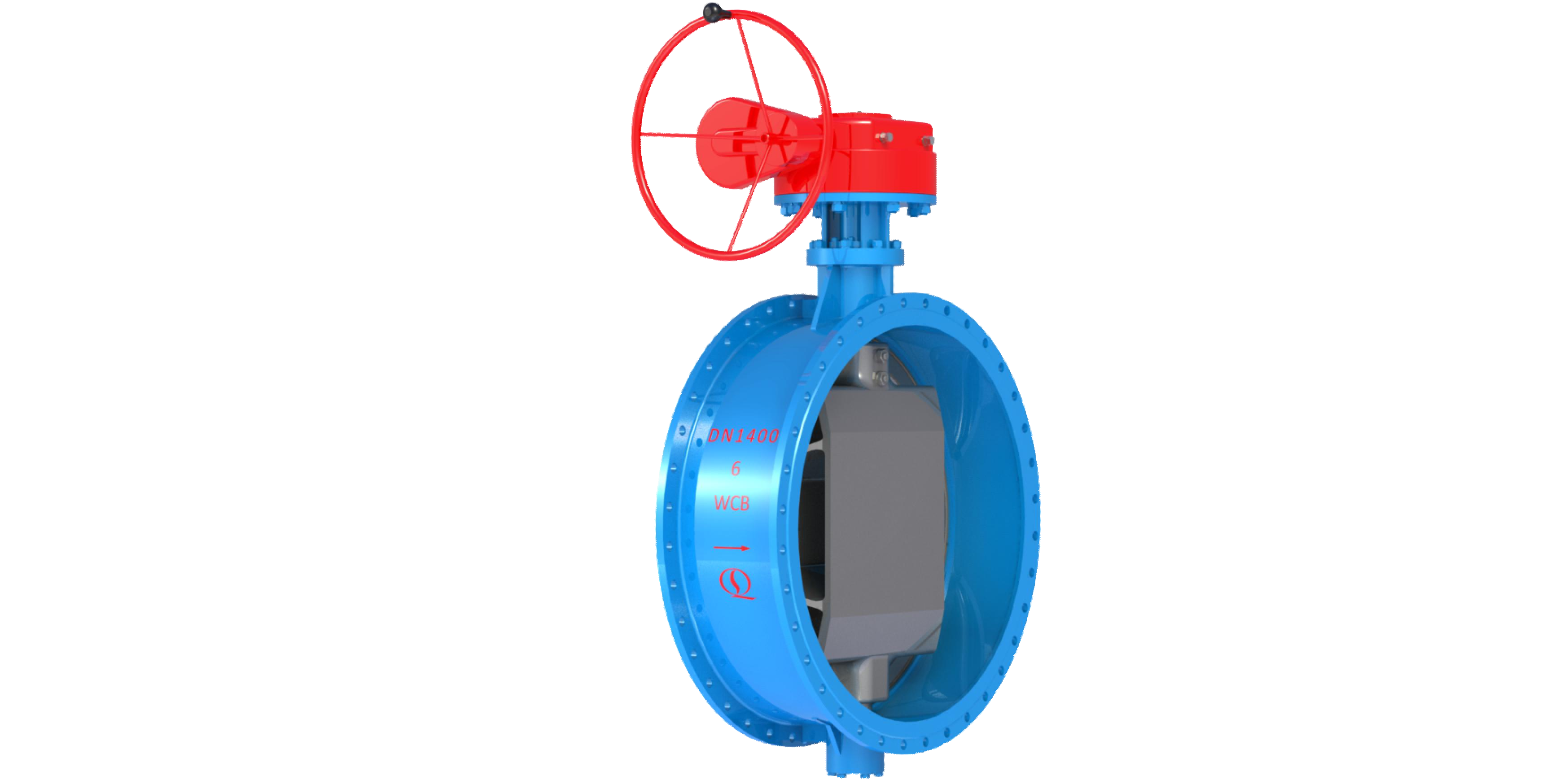
Bidirectional Metal Hard Sealed Seawater Butterfly Valve
Henan Quanshun Flow Control Science & Technology Co., Ltd.

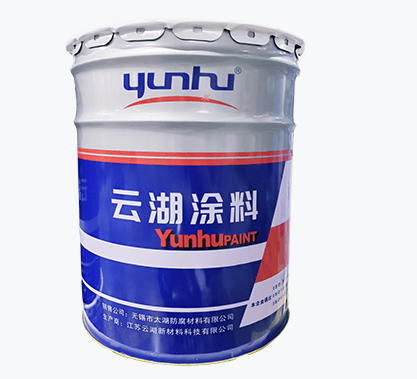
YHTank8400N Solvent-Free Liquid Epoxy Coating
JIANGSU YUNHU NEW MATERIAL TECHNOLOGY CO., LTD.