en.Wedoany.com Reported - Brazilian biotech startup Bioinfood has transformed babassu flour—a byproduct previously without industrial use—into a protein ingredient for the food industry, particularly suitable for hamburgers and other plant-based products.
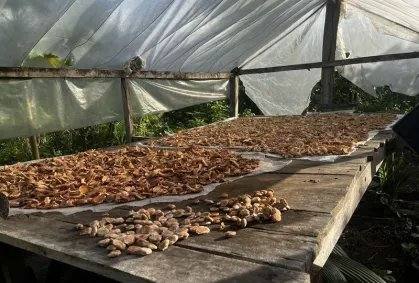
The product was developed by Bioinfood in partnership with the Food Technology Institute (ITAL, Instituto de Tecnologia de Alimentos), increasing the protein content of babassu flour from 1.5% to approximately 7%.
The project has received initial funding of 2.7 million reais from the JBS Amazon Fund, disbursed through GFI Brazil's Biomas InovAmazônia program, but the startup did not disclose revenue projections.
The babassu coconut is part of Brazil's extractive culture, distributed across the states of Maranhão, Piauí, Pará, and Tocantins, where around 62,000 women primarily rely on manually collecting and processing this coconut. Although the technical potential in available areas is 1.5 million tons per year, current production barely exceeds 4% of the total due to the arduous collection work. The main product of this chain is oil extracted from the almond, while the mesocarp flour is almost entirely discarded.
Bioinfood converts this waste into a high-value ingredient, supported by the Terra do Meio Network of the Upper Xingu in Pará, which provides samples for the project and hosts the team during community visits. This network brings together 35 indigenous, riverside community, and family farmer organizations, protecting an area of 9 million hectares.
The conversion process combines yeast strain screening, enzymatic hydrolysis, and automated bioreactor fermentation to transform the sugars in the flour into protein biomass, requiring no new planting or deforestation. The technology has been validated at laboratory scale, and a plant-based hamburger prototype was produced and evaluated. Bioinfood is currently seeking commercial partners to scale up trials and achieve traceability.
Startup co-founder and project lead Osmar Netto stated that by producing an alternative protein ingredient, the project directly contributes to reducing dependence on proteins with high environmental impact and diversifying plant-based protein sources, aligning with sustainability and food security strategies, while also stimulating the full utilization of native tree species and increasing the income of extractive communities.
The alternative protein market is projected to reach US$88.8 billion by 2034, growing at an annual rate of 14.3%. According to the latest data released by Bioinfood, in Brazil, the sector generated revenue of 1.13 billion reais in 2024, a 14% increase over the previous year, with Europe and the United States as potential clients.
According to the startup, the same fermentation method can also be applied to other agro-industrial processing byproducts, such as wheat bran, corn, rice, and the shells of native oilseeds (like Brazil nuts, macaúba, and cupuaçu), thereby expanding the company's potential.
This article is compiled by Wedoany. All AI citations must indicate the source as "Wedoany". If there is any infringement or other issues, please notify us promptly, and we will modify or delete it accordingly. Email: news@wedoany.com