Peru Leads APEC Economies in Workshop on Macroalgae Cultivation
en.Wedoany.com Reported - An initiative led by Peru and supported by Chile, China, Mexico, and Vietnam recently brought together representatives from government, academia, international organizations, and the private sector to discuss the sustainable development of macroalgae cultivation as a response to 21st-century food, environmental, and climate challenges.
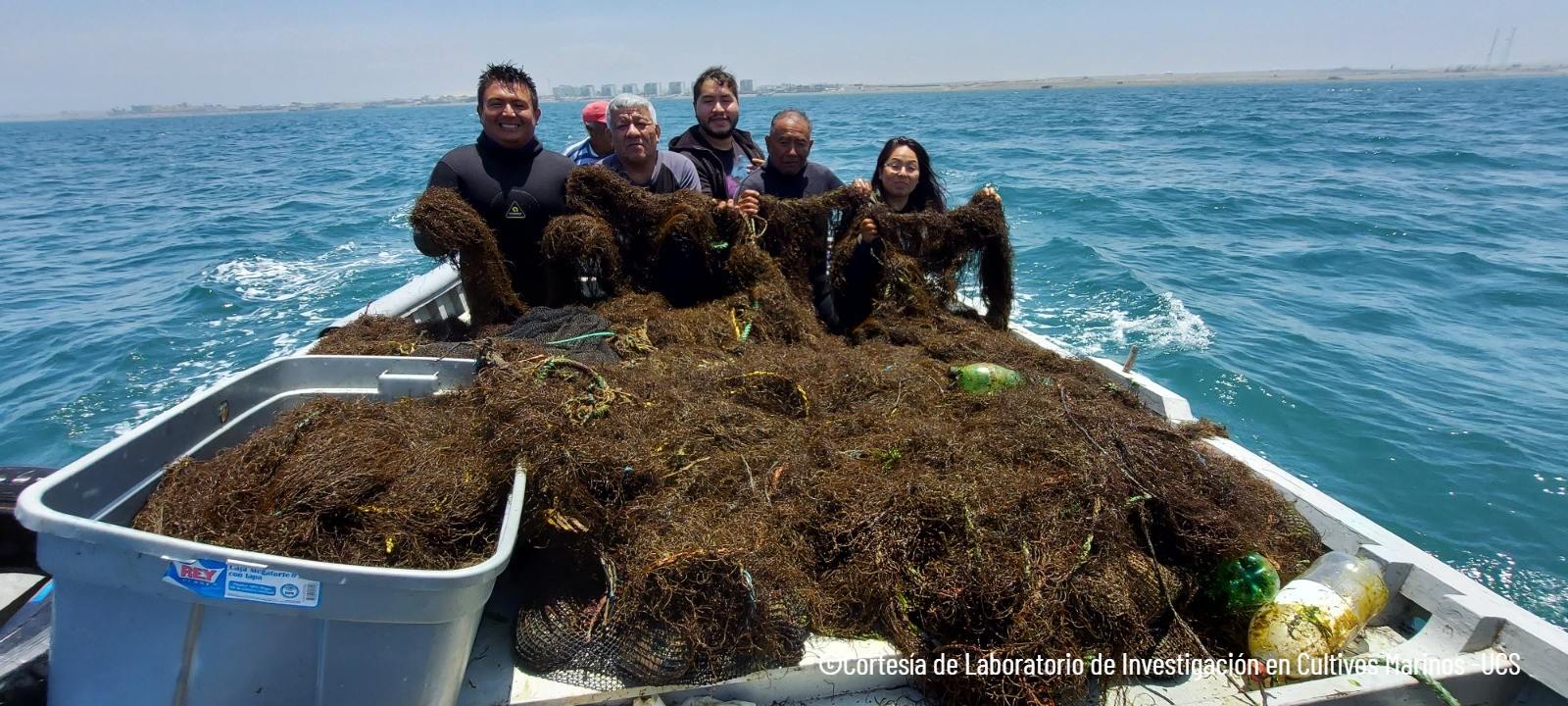
At the opening ceremony, Alberto Clemente Salas Maldonado, Director of Peru's CITE Fisheries Callao Center, pointed out that the macroalgae industry presents significant economic and environmental opportunities for APEC economies, particularly in the areas of sustainable aquaculture, the blue economy, and inclusive growth. However, he also warned that emerging economies still face numerous obstacles in integrating into global value chains.
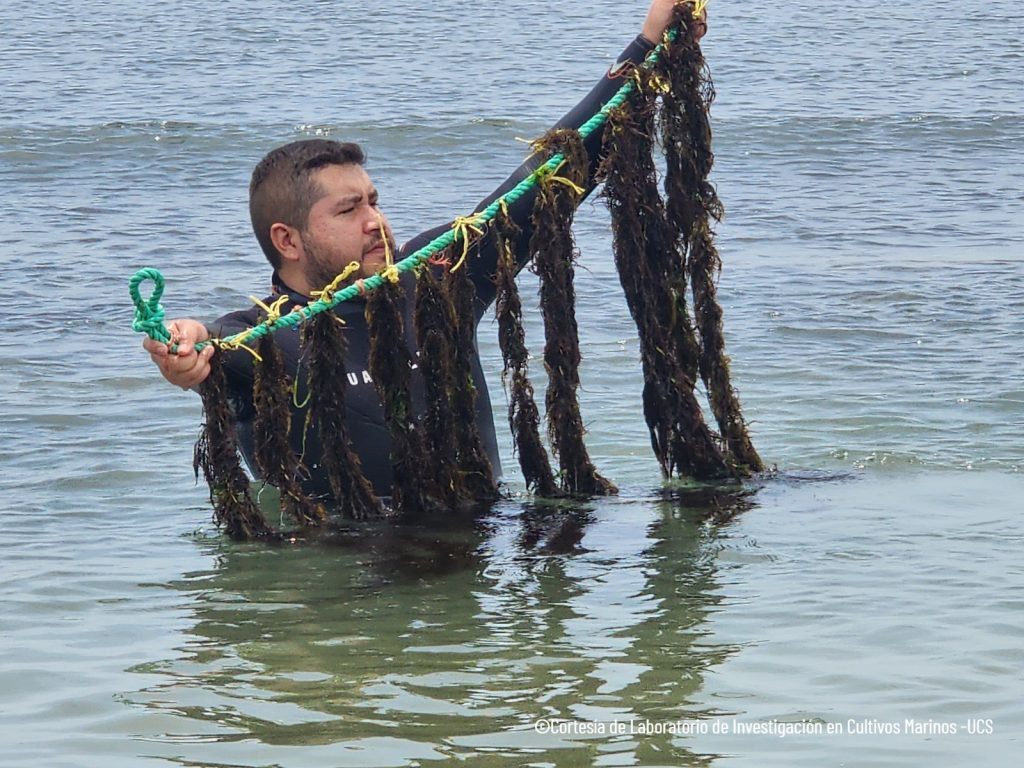
Over 60 experts and policymakers engaged in exchanges of experience and knowledge on biotechnology, cultivation techniques, value chains, and market integration. The meeting concluded that macroalgae holds immense potential for strengthening food security, revitalizing coastal economies, and creating sustainable development opportunities.
Macroalgae cultivation can provide income, employment, and export opportunities for coastal communities. By absorbing carbon dioxide, improving water quality, and supplying raw materials for industries such as food, cosmetics, fertilizers, and biofuels, this industry promotes the sustainability of aquaculture while enhancing the climate resilience of marine ecosystems.
José Aguilar Manjarrez, an aquaculture officer at the Food and Agriculture Organization of the United Nations, delivered a keynote speech at the opening titled "Public Policy Recommendations for a Blue Transformation in Latin America." He emphasized the need to strengthen regulatory frameworks, promote regional cooperation, and popularize aquatic foods to address the food crisis and the growing demand for healthy and sustainable diets.
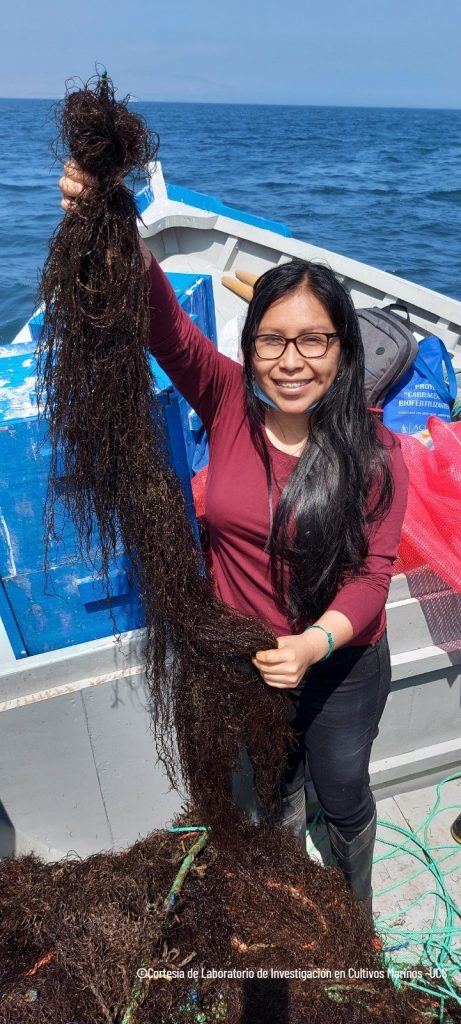
He noted that promoting sustainable macroalgae cultivation means betting on a new production frontier capable of transforming the aquaculture industry, attracting investment, and consolidating more competitive, resilient, and inclusive value chains.
Participants agreed that APEC economies, including Peru, possess key conditions—with their rich marine resources and focus on sustainable aquaculture and bioeconomic activities—to become regional benchmarks for sustainable macroalgae development. Strengthening this sector can open new opportunities for coastal communities, small-scale producers, and young people, while diversifying food production and enhancing capacity to cope with climate change.
Participants also identified the primary challenges to ensuring the sector's sustainable growth, including strengthening regulatory frameworks, addressing climate change impacts, accessing financing, technology, and infrastructure, developing sustainable business models, and enhancing the organizational capacity of small-scale producers. They also stressed the need to cultivate specialized talent, consolidate sustainable value chains, and encourage the new generation to participate in aquaculture-related activities.
The workshop conveyed a message to the Asia-Pacific region that macroalgae offers a concrete solution for strengthening food security, promoting sustainable growth, and creating new economic opportunities for coastal communities in the Asia-Pacific.
This article is compiled by Wedoany. All AI citations must indicate the source as "Wedoany". If there is any infringement or other issues, please notify us promptly, and we will modify or delete it accordingly. Email: news@wedoany.com
Related Products


MH220E Two-Row Hybrid Packaged Cotton Picker
CHINA RAILWAY CONSTRUCTION HEAVY NDUSTRY XINJIANG CO., LTD.

Industrial and Commercial Point-Type Gas Detector
Jinan Benan Technology Development Co., Ltd.

4HS-8 High-efficiency Peanut Inverted-laying Harvester
Hebei Yongfa Hongtian Agricultural Machinery Manufacturing Co., Ltd.


714CD Series C-Band Weather Radar
Chengdu Zhongdian Jinjiang Information Industry Co., Ltd.