KEPCO Deploys AI Grid Management System, Expected to Save Approximately 110 Billion KRW in Annual Power Purchase Costs
en.Wedoany.com Reported - Recently, Korea Electric Power Corporation (KEPCO) began deploying an AI-based grid management system, enhancing grid operational efficiency and stability by restructuring its power demand forecasting model and optimizing the operation of advanced power equipment. The system is expected to reduce annual power purchase costs by approximately 110 billion KRW, equivalent to about 73.4 million USD.
The core of this upgrade is KEPCO's transformation of its traditional demand forecasting model into a new one based on AI and big data analytics. South Korea's electricity consumption structure is changing, with data center expansion, electric vehicle adoption, renewable energy integration, and regional load differences making it increasingly difficult for the original forecasting methods to cover real consumption fluctuations. The new system expands its data foundation from 159 data sets primarily from areas like Seoul, Gyeonggi Province, and Busan to approximately 95,000 real data points nationwide, thereby supporting more granular load analysis and forecasting.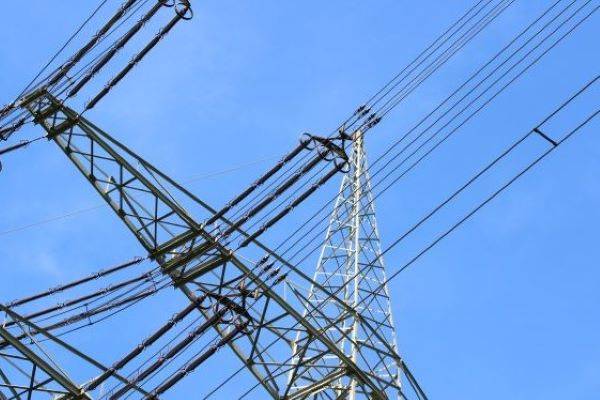
The improvement in forecasting accuracy has direct engineering significance for South Korea's power grid. Regions like the east coast have relatively abundant generation resources, but transmission infrastructure constraints sometimes force the curtailment of low-cost power output due to grid bottlenecks. If the AI demand forecasting model can more accurately identify regional loads, peak demand, and changes in renewable energy output, it can help the dispatch system arrange power flows in advance, reducing unnecessary curtailment and the substitution of high-cost power sources.
KEPCO estimates that the AI-driven demand forecasting model upgrade alone can alleviate the curtailment pressure on low-cost generators in the east coast and Jeolla regions, saving approximately 60 billion KRW in annual power purchase costs. These savings do not come from reducing consumption in a single device, but from more accurate demand forecasting, transmission constraint assessment, and power source dispatch optimization. For the power system, smaller forecasting errors make it easier for reserve arrangements, power purchase portfolios, and line utilization to approach an economically optimal state.
Beyond the forecasting model, KEPCO has also optimized the operation of advanced power equipment like Static Synchronous Compensators (STATCOM) at new substations. STATCOMs can help the grid maintain voltage stability during fault disturbances by rapidly injecting or absorbing reactive power. KEPCO stated that the upgraded system can restore voltage stability faster during grid faults, enabling more low-cost power from the east coast to be transmitted to high-demand areas, which is expected to save an additional approximately 50 billion KRW annually.
This deployment indicates that AI is entering the core processes of grid dispatch and asset operation. Previously, grid digitalization focused more on remote monitoring, meter data collection, and equipment automation. As both the load side and generation side become more uncertain, grid enterprises need to establish a more real-time data closed loop between forecasting, dispatch, reactive power control, power flow management, and fault response. The role of the AI system is not to replace dispatch rules, but to transform larger-scale data into forecasting results and optimization suggestions usable for operational decisions.
However, the effectiveness of the AI grid management system still needs to be understood in the context of actual regions, equipment statuses, and operational scenarios. Improved forecasting models do not mean the same accuracy can be achieved across all times and all regions, nor does it mean grid bottlenecks can be solved by algorithms alone. Transmission corridor construction, substation upgrades, energy storage configuration, demand response, and renewable energy integration mechanisms remain fundamental conditions for enhancing the resilience and economic efficiency of South Korea's power system.
Future observations will focus on the nationwide deployment scope of KEPCO's system, the forecasting model's performance in data center and EV load scenarios, the long-term effects of STATCOM operational optimization, and whether the annual savings target of approximately 110 billion KRW is reflected in actual power purchase costs. KEPCO's deployment of an AI grid management system signifies that smart grid construction is moving from monitoring digitalization into a new phase where demand forecasting, equipment optimization, and economic dispatch are interconnected.
This article is compiled by Wedoany. All AI citations must indicate the source as "Wedoany". If there is any infringement or other issues, please notify us promptly, and we will modify or delete it accordingly. Email: news@wedoany.com
Related Products


G.652.D Wavelength-extended Non-dispersion Shifted Single-mode Optical Fiber
HONGAN GROUP CO., LTD.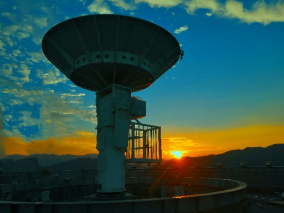
714CD Series C-Band Weather Radar
Chengdu Zhongdian Jinjiang Information Industry Co., Ltd.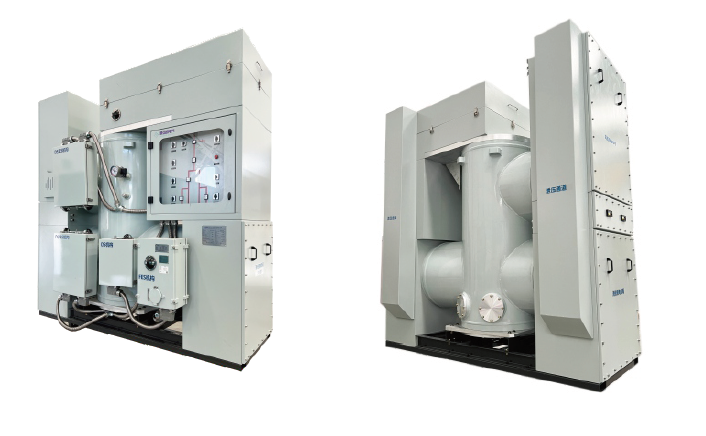
72.5kV 1250A 31.5kA SF6 free Gas-insulated Metal-enclosed Switchgear
Zhejiang Juhonkia Intelligent Electric Co., Ltd.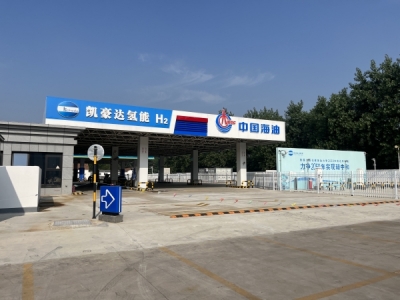
Hydrogen production and hydrogenation charging refueling gas integrated energy station
Shenzhen Kohodo Hydrogen Energy Co., Ltd.
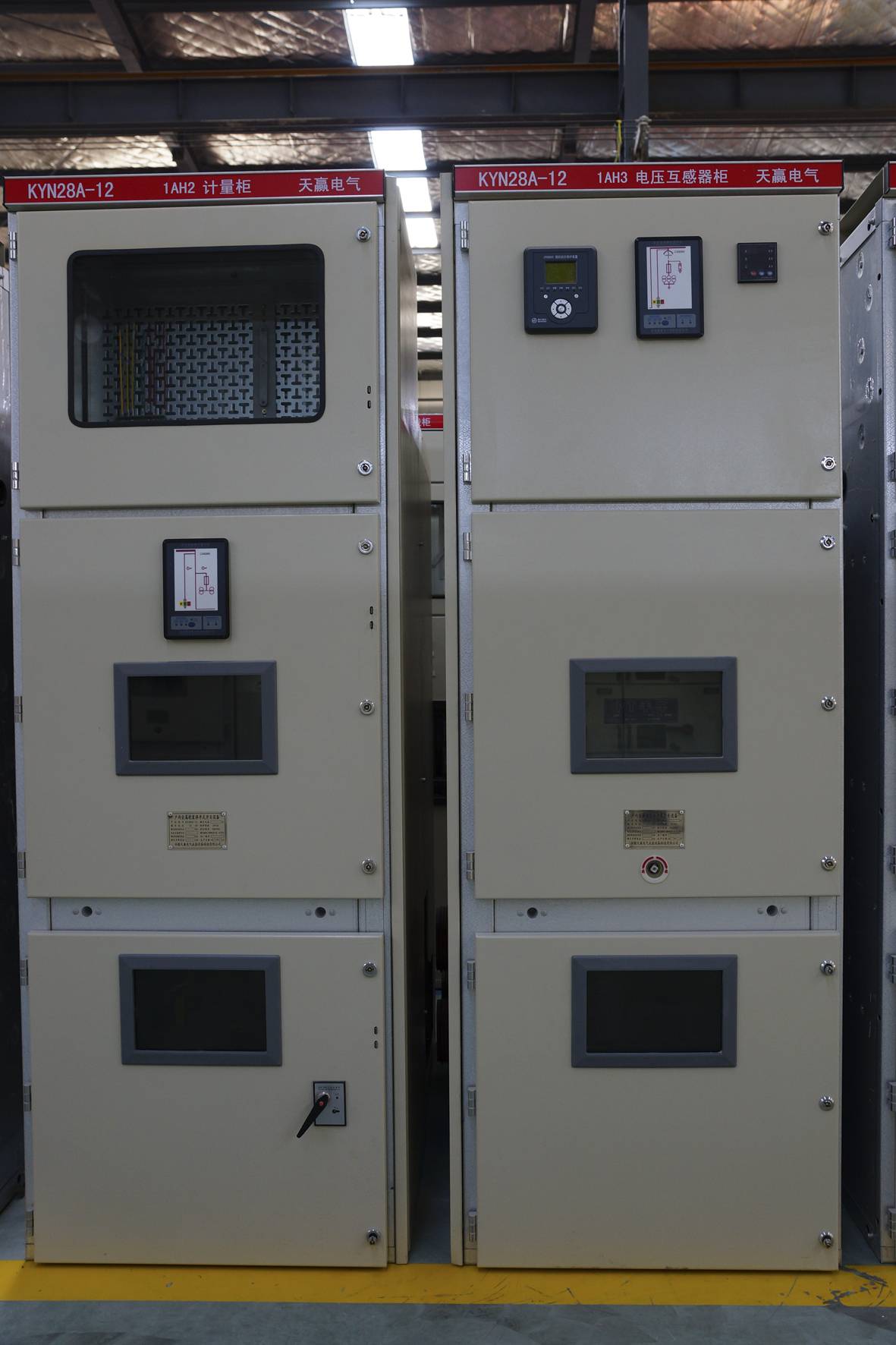
KYN28 - High Voltage Switchgear
Anhui Tianying Electrical Equipment Manufacturing Co., Ltd.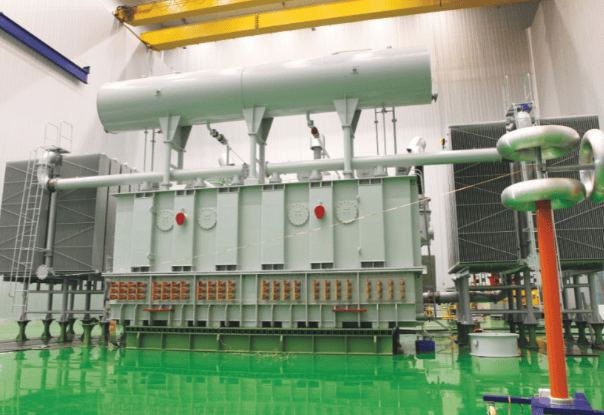
1000kV Jin Southeast-Nanyang-Jingmen UHV AC Transmission and Transformation Pilot Demonstration Project
Anhui Hongyuan Steel Tower Co., Ltd.