en.Wedoany.com Reported - Since its launch in 2016, the Philadelphia Energy Campaign has created over 11,000 jobs and generated $1.3 billion in economic investment over ten years, while saving the City of Philadelphia and its residents more than $1.4 billion in energy costs. This initiative, aimed at promoting energy affordability, resilience, and sustainability across the city, revealed these results in its newly released ten-year economic impact report.
The report indicates that the collaboration between the Philadelphia Energy Authority, the City of Philadelphia, and the City Council generates $25.3 million in annual tax revenue and brings in over $130 million in annual investment for energy efficiency and infrastructure. The campaign has saved millions of dollars in utility costs for the city government, homeowners, and commercial property owners, while reducing emissions, improving building and tenant health, and generating substantial tax revenue.
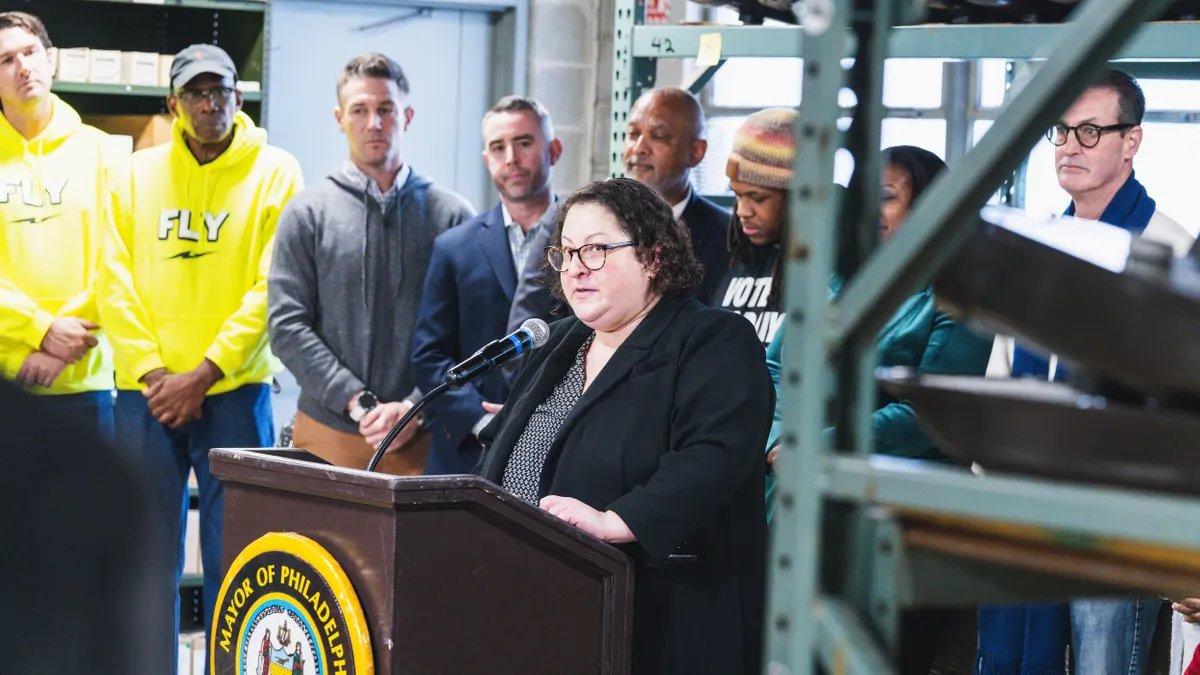
Emily Schapira, President and CEO of the Philadelphia Energy Authority, noted that over the decade, the Authority received $14.7 million in operating budget from the city, which ultimately translated into $1.3 billion in economic activity. City Council President Darrell Clarke played a key role in advancing the initiative, building a coalition that included labor, school officials, and community organizations to support the campaign. Schapira stated that this political encouragement opened many doors, prompting various government departments such as the Housing Authority, the Transportation Authority, and the School District to explore collaboration.
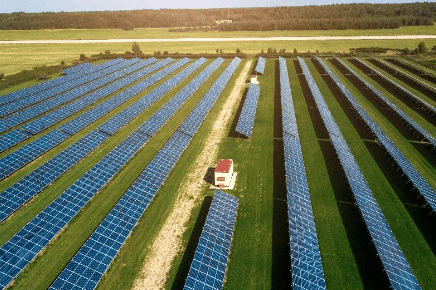
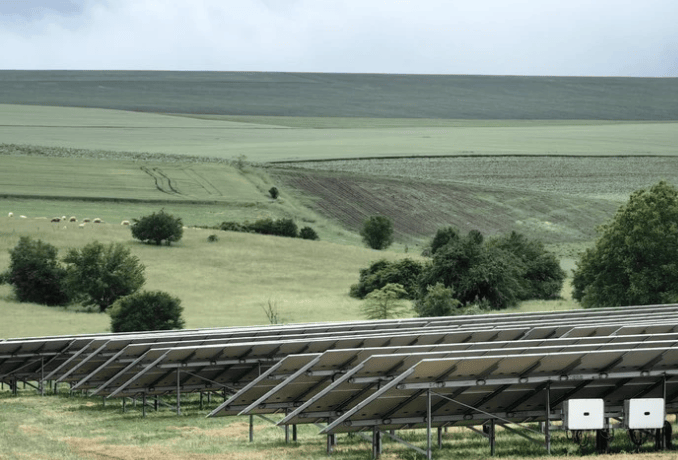
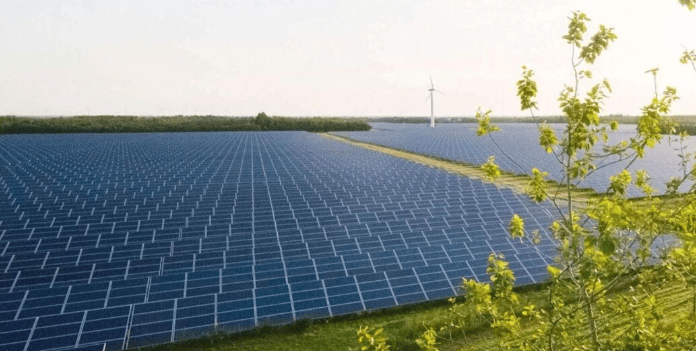
The campaign started with a "Jenga-like approach," gradually testing viable projects. Implementations included installing over 130,000 LED streetlights, upgrading energy efficiency at the Philadelphia Museum of Art (reducing electricity consumption by 28%), and launching a water and sewer line protection program that saves residents money and generates revenue by reducing energy consumption from pipe leaks. The report shows that the "Built to Last" program integrates available funds to help low-income homeowners access home repair and energy affordability projects, completing energy efficiency and structural improvements for over 400 low-income homeowners, saving each household an average of approximately $300 to $1,000 per year. The "Solarize Greater Philadelphia" program has helped over 4,300 homeowners (more than half of whom are low-income residents) install solar panels, adding 25 megawatts of solar capacity to the grid.
Schapira stated that the Philadelphia Energy Authority funds projects through bonds and a mix of public and private capital. Commercial Property Assessed Clean Energy (C-PACE) is one of the most impactful financing mechanisms, allowing property owners to finance the upfront costs of energy, water, resilience, and public benefit projects through voluntary property tax assessments. Approximately $400 million in C-PACE financing supported 22 projects, generating $29.9 million in municipal tax revenue. Additionally, the Philadelphia Green Capital Corp., a nonprofit "green bank" established by the Philadelphia Energy Authority in 2021, provides low-cost financing options for energy efficiency and renewable energy projects.
Schapira emphasized that stacking and layering different types of funding is unique to Philadelphia, a model that combines private financing with small amounts of public or philanthropic capital to create widely accessible resources. While the loss of federal funding, including a $156 million "Solar for All" grant, is frustrating, the campaign was designed with resilience from its start during the first Trump administration. The founders never had high expectations for federal funding, instead designing everything around a flexible model capable of seizing opportunities. Elizabeth Lankenau, Philadelphia's Director of Sustainability, stated that the key is not to be bogged down by all the things that cannot be done, but to focus on what can be changed.
This article is compiled by Wedoany. All AI citations must indicate the source as "Wedoany". If there is any infringement or other issues, please notify us promptly, and we will modify or delete it accordingly. Email: news@wedoany.com