Modular Data Center Construction in Northern Ireland, UK, Embraces Development Opportunities
en.Wedoany.com Reported - As the deployment scale of artificial intelligence continues to expand and project timelines become increasingly tight, the UK is undergoing a profound transformation in the construction of digital infrastructure.

As of August 2025, the total value of the UK data center project pipeline stands at approximately £36.4 billion, encompassing nearly 100 development projects. This vibrant activity is primarily driven by the infrastructure demands required to support AI workloads. By 2030, these demands are expected to add approximately 6.2 gigawatts of IT capacity to the UK, more than doubling the current capacity of 2.9 gigawatts.
Meeting the growth demands of AI data centers is redefining the location, construction methods, and speed of digital infrastructure. National policy is encouraging growth, with the UK government establishing AI Growth Zones across the country aimed at accelerating planning approvals, improving power access, and attracting investment. Meanwhile, grid constraints, land costs, and the lower latency sensitivity of AI workloads are driving development outward from traditional hubs like London.
Building larger, more complex facilities in less mature regions also presents challenges, particularly concerning labor supply, delivery timelines, and construction risks. This creates opportunities for regions with strong manufacturing capabilities, including Northern Ireland.
Modular, pre-engineered assemblies are becoming a key solution for the industry to address these challenges. They support faster deployment, more consistent quality, and more reliable performance, allowing operators to scale capacity in a more controlled and predictable manner. The coordination difficulties previously caused by multiple trades working simultaneously on-site are now being mitigated by shifting the design, assembly, and testing of critical infrastructure components to controlled manufacturing environments.
Modular, pre-engineered power modules, as part of this shift, are gaining increasing attention. This approach enables faster deployment, greater stability, and more predictable performance, delivering projects at the pace demanded by the AI boom, aligning construction with demand. In recent years, this method has matured significantly. Once considered a niche solution for edge data centers and disaster recovery, modularization is now widely applicable to larger development projects. Critical infrastructure components, including power, cooling, and UPS (Uninterruptible Power Supply), can now be assembled and tested before delivery, allowing for Level 1 and Level 2 Factory Acceptance Tests (FAT) prior to shipment, reducing on-site installation time and mitigating risk.
Northern Ireland possesses strong comprehensive advantages in the manufacturing sector. The region has a deep industrial heritage in areas like Mid-Ulster and the Northwest, forming clusters of manufacturing and heavy engineering companies that provide both necessary infrastructure and a skilled workforce. Furthermore, under the Northern Ireland Protocol and the Windsor Framework, goods produced in Northern Ireland can move relatively freely between the EU and the UK while also benefiting from the UK's network of free trade agreements. This dual market access helps reduce the administrative complexity of cross-border trade, offering greater flexibility for manufacturers, which is particularly important for companies involved in the data center supply chain.
As the industry continues to evolve to meet AI demands, the delivery method for data centers is becoming more industrialized, with the role of off-site manufacturing and modular assembly growing. This shift places greater emphasis on regions capable of rapid, precision manufacturing with efficient access to multiple markets. Northern Ireland, with its manufacturing expertise, skills base, and trade access, is well-positioned in this landscape.
This article is compiled by Wedoany. All AI citations must indicate the source as "Wedoany". If there is any infringement or other issues, please notify us promptly, and we will modify or delete it accordingly. Email: news@wedoany.com
Related Products
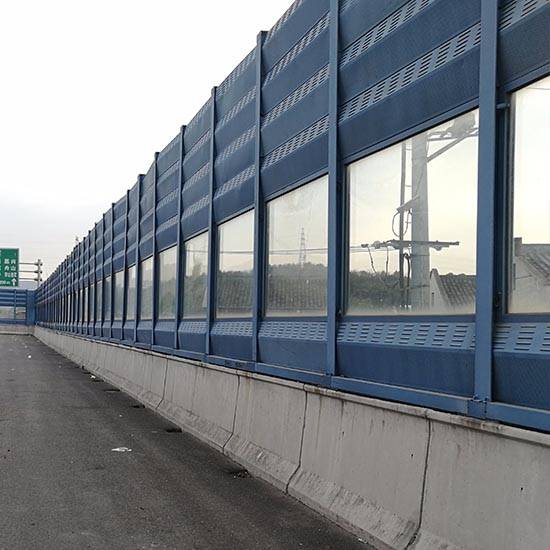

Metal sound barriers that can reduce the transmission of road noise
Hebei Jinbiao Construction Materials Tech Corp., Ltd.
300mm Segment Type Countdown Traffic Light (Core Type)
Yangzhou FAMA Intelligent Equipment Co., Ltd.
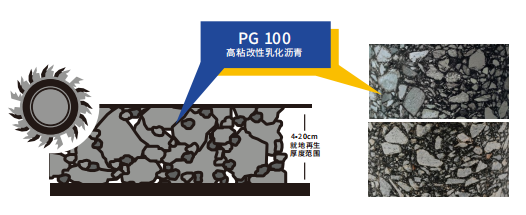
High-toughness in-Situ Cold Recycling Technology for Original Structural Layers
Central Fortune Creation Technology Group Co., Ltd.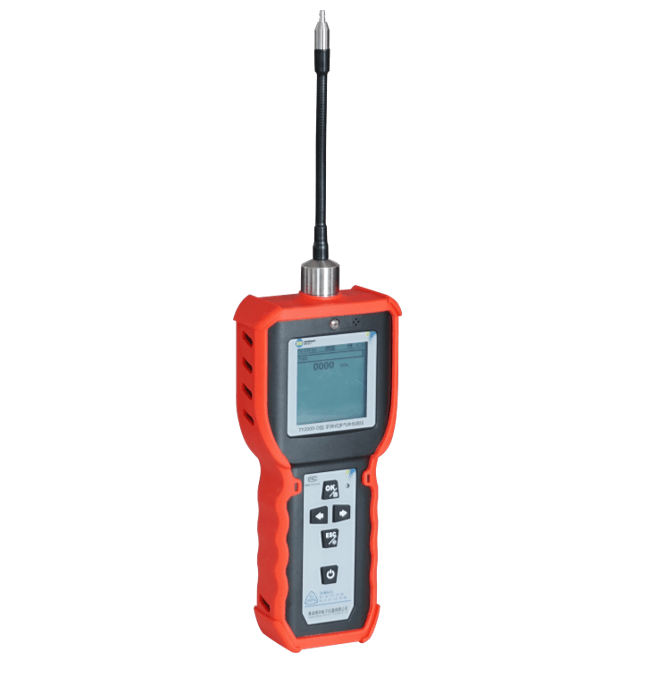
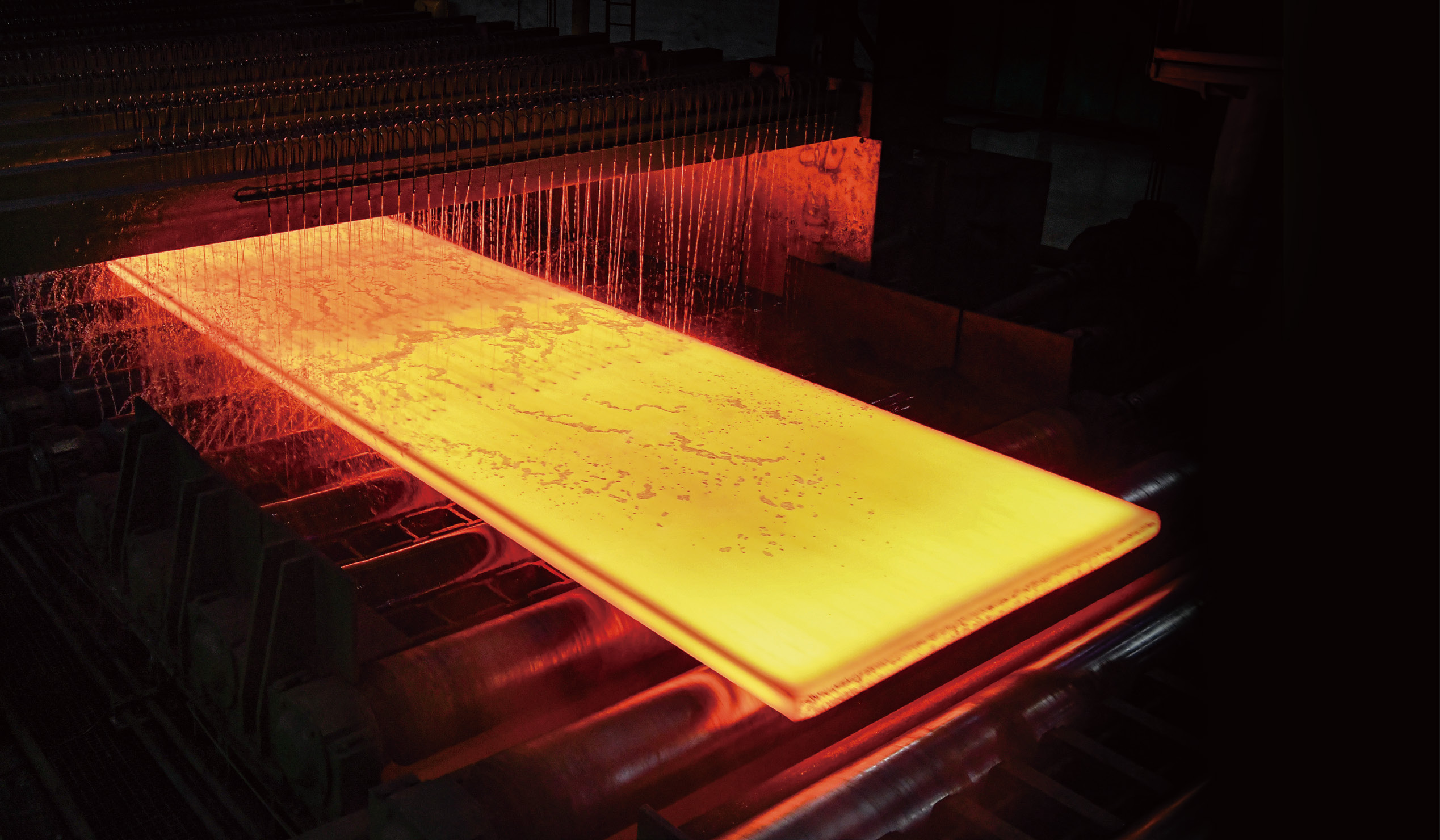
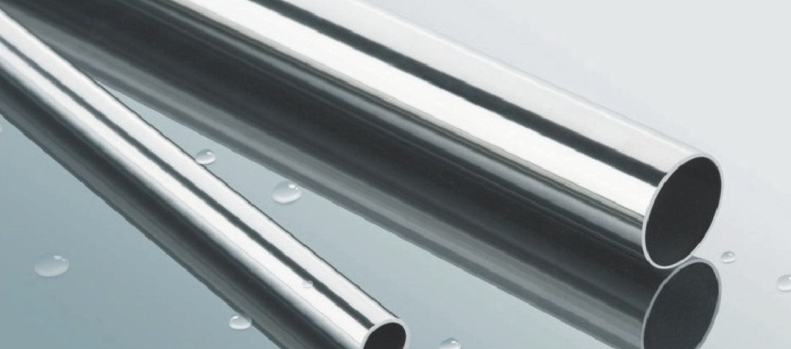
ERW Welded Pipe (Black Pipe and Hot-dip Galvanized Steel Pipe)
Handan Zhengda Steel Pipe Co., Ltd.