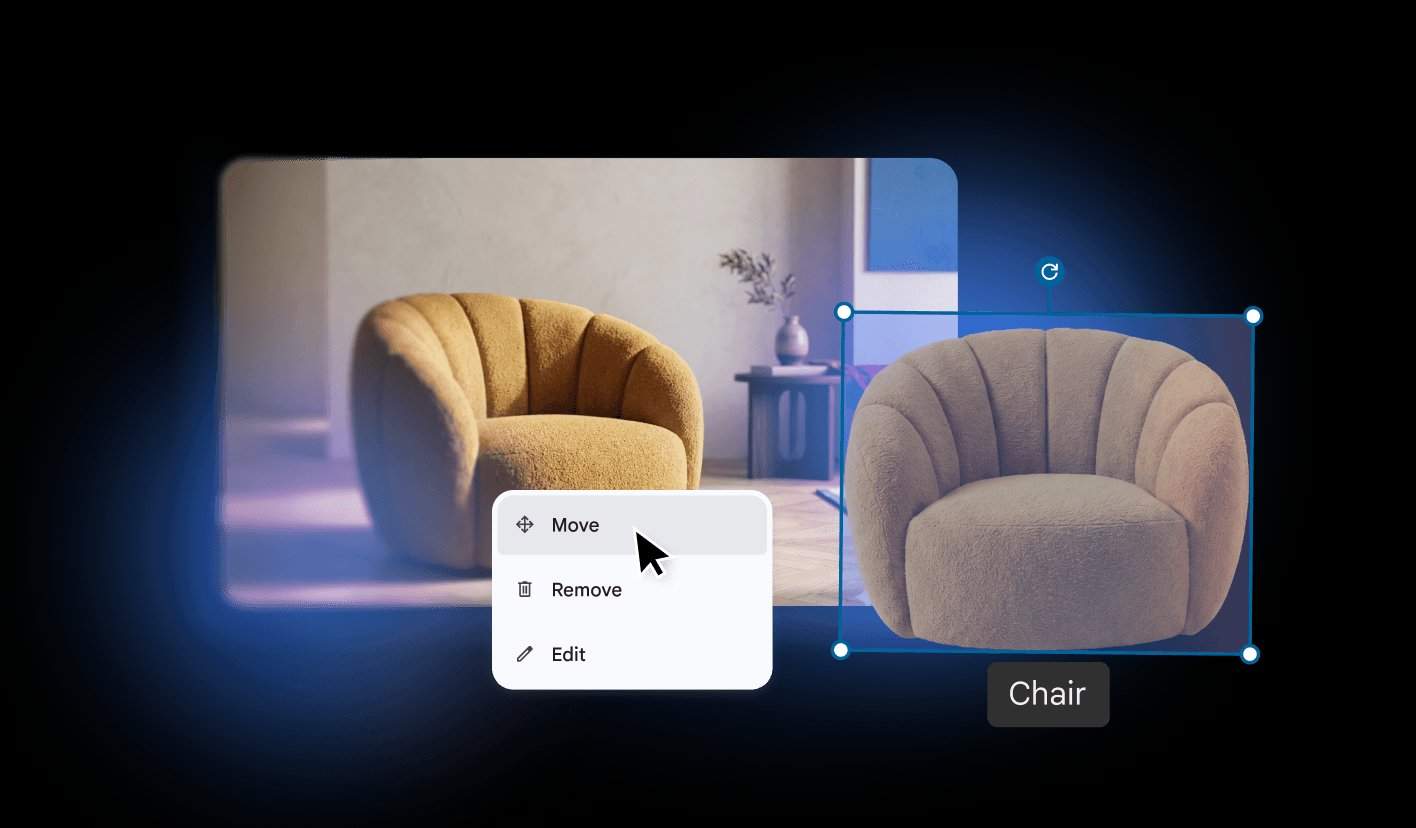
en.Wedoany.com Reported - Keysight Technologies, Inc. (NYSE: KEYS) announced a new executable RF design whiteboard feature for its RF Circuit Simulation Professional software, enabling engineers to capture and reuse their design processes through a visual whiteboard. This feature replicates the engineer's decision-making process, capturing simulations, optimizations, decision trees, and design parameters built upon previous analyses. Each step of the design process generates editable Python code that can be saved, shared, and redeployed in Keysight's Advanced Design System (ADS), Cadence Virtuoso, and Synopsys Custom Compiler environments.
The RF industry is facing an imminent talent gap. Consulting firm McKinsey predicts that the semiconductor industry will need 88,000 engineers by 2029. In RF design, the challenge is even more severe, as simulation methods spanning multiple physical domains take years to master, and critical expertise is often lost when senior engineers leave. Design teams frequently struggle with inefficient workflows, simulation bottlenecks, and knowledge barriers.
RF Circuit Simulation Professional allows engineers to build workflows in a visual whiteboard or automatically generated Python scripts, executing simulations, optimizations, and design decisions sequentially at each step, with support for decision-based loops and parameter settings. Each workflow becomes a repeatable methodology that can be shared, reused, and AI-driven across teams. Design review and tape-out steps that previously required manual setup for each iteration can now run automatically.
Nilesh Kamdar, General Manager of Keysight's EDA division, noted that RF design expertise is leaving the industry faster than it can be replaced, and the simulation knowledge accumulated by senior engineers cannot be transferred through documentation alone. Design teams now have a method to capture experience, transforming it into visual, executable, and repeatable workflows. The resulting structured data and underlying Python API represent the first step toward fully automated, AI/ML-driven RF design.
This article is compiled by Wedoany. All AI citations must indicate the source as "Wedoany". If there is any infringement or other issues, please notify us promptly, and we will modify or delete it accordingly. Email: news@wedoany.com