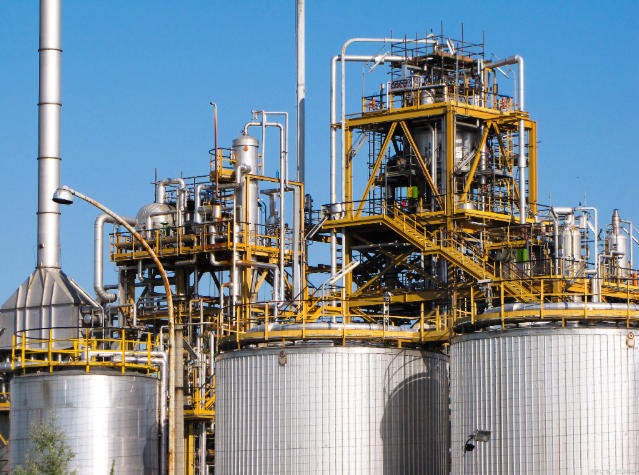
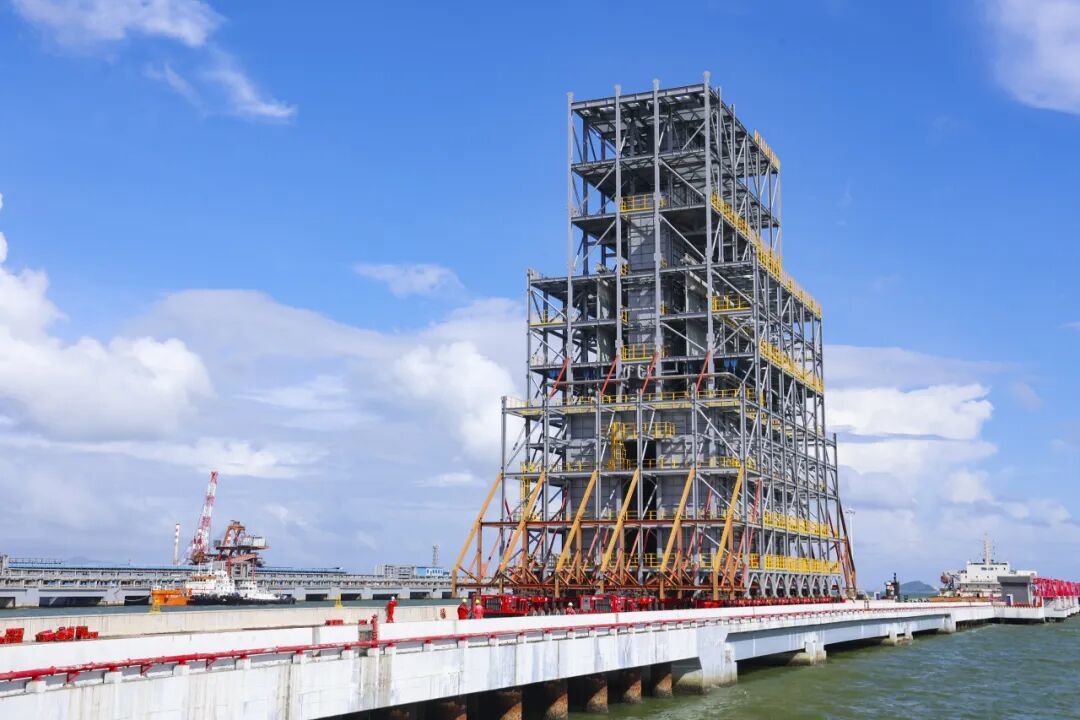
en.Wedoany.com Reported - Petrochemical Storage Tanks are key infrastructure in refining, chemical production, oil storage, port terminals and chemical parks. As petrochemical projects become larger and storage media become more diverse, storage tanks are no longer simple containers for liquid materials. They are becoming integrated engineering assets involving process design, material selection, corrosion protection, fire safety, leakage prevention, online monitoring and long-term maintenance.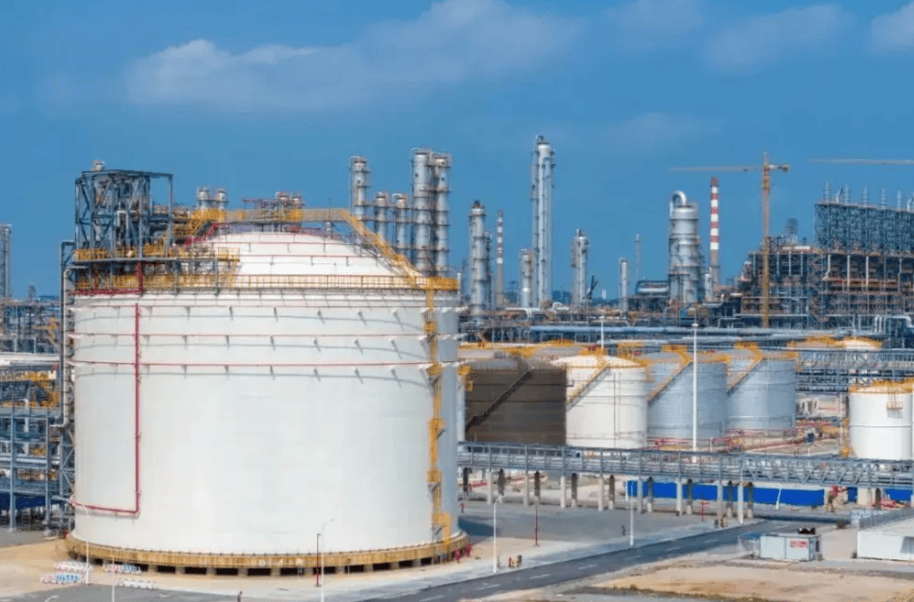
In petrochemical production and storage systems, tanks are commonly used for crude oil, refined oil products, aromatics, alcohols, liquid chemicals and intermediate products. Different media create different requirements for tank structures and auxiliary systems. Volatile liquids require stronger sealing performance and vapor recovery arrangements. Corrosive media depend more on suitable materials, protective coatings and internal lining solutions. Temperature-sensitive materials may require insulation, heating or cooling systems. Therefore, the value of a petrochemical storage tank is not defined only by its capacity, but also by its ability to operate reliably under specific process conditions.
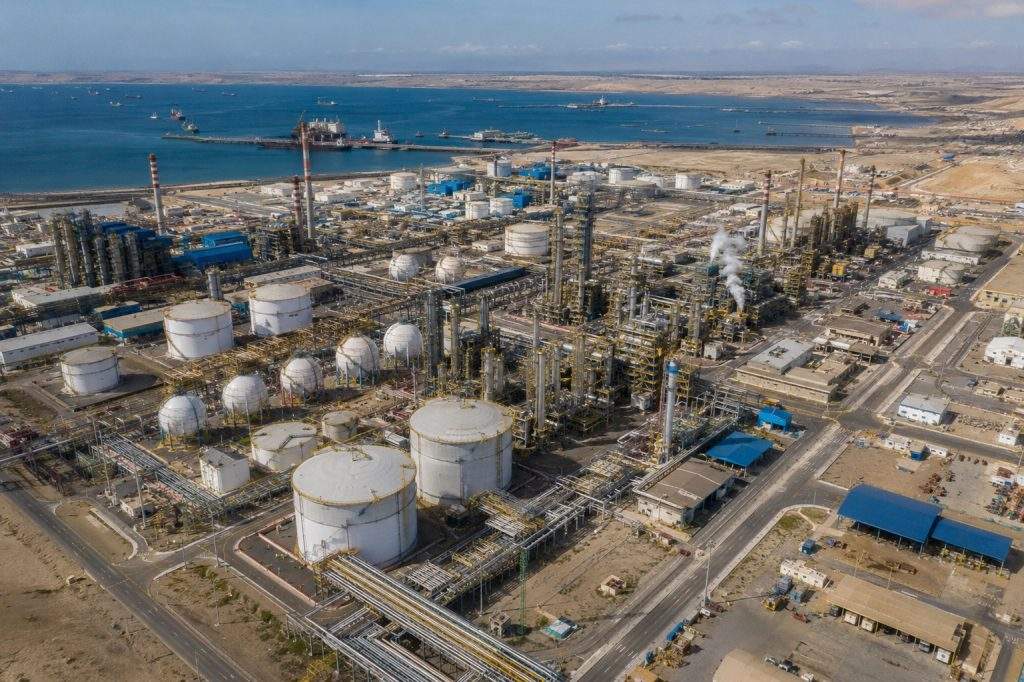
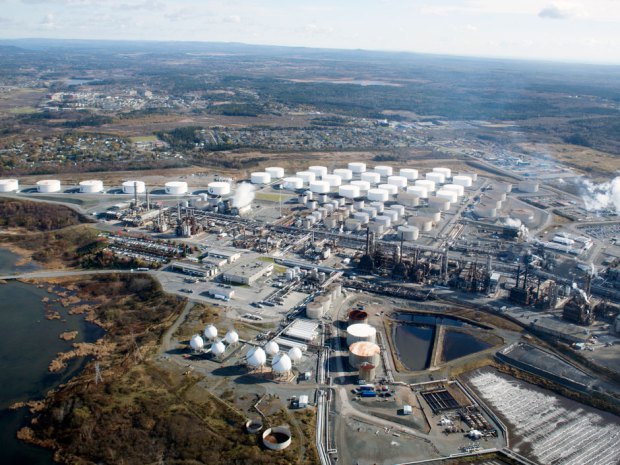
A clear trend in petrochemical storage tank projects is the shift from single-tank construction to tank farm system engineering. A complete tank farm usually needs to consider foundation treatment, bund areas, fire separation distance, fire water systems, foam extinguishing systems, nitrogen blanketing, breather valves, level gauges, temperature monitoring, combustible gas detection, drainage systems and emergency shutdown devices. A weakness in any part of the system may affect the safety and reliability of the entire storage area.
Procurement standards are also changing. In the past, many storage tank projects focused mainly on steel consumption, construction schedule and project cost. Today, plant owners pay more attention to design capability, welding quality control, non-destructive testing, corrosion protection work, site organization and maintenance support. In large refining bases, port terminals and chemical parks, storage tanks are often connected with pipe racks, loading systems, pump stations and automation platforms. Suppliers therefore need strong engineering coordination capability.
The future development of petrochemical storage tanks will place greater emphasis on safety redundancy, environmental control and digital operation. Online level monitoring, tank bottom settlement monitoring, corrosion detection, leakage warning and intelligent inspection can help operators identify equipment risks earlier and reduce the impact of unexpected failures on production and storage systems.
For petrochemical companies, storage tanks are not simple fixed assets. They are important nodes that support feedstock supply, product turnover and safe production. The industry is entering a stage where systematic design, refined construction and lifecycle maintenance are becoming more important than simple capacity expansion.
Overall, companies that can build integrated capabilities in design, manufacturing, construction, corrosion protection, monitoring and maintenance will have more opportunities to participate in high-standard petrochemical engineering projects.
This article is compiled by Wedoany. All AI citations must indicate the source as "Wedoany". If there is any infringement or other issues, please notify us promptly, and we will modify or delete it accordingly. Email: news@wedoany.com