en.Wedoany.com Reported - Spanish architect Juan Pacheco has proposed a series of building cooling solutions that do not require air conditioning. These methods are based on heat transfer principles, achieving indoor cooling through building design and daily management.
Pacheco, from Pacheco y Asociados Arquitectos, works daily with clients on limited budgets. He believes that understanding how heat enters through radiation, conduction, and convection allows for genuine coolness without air conditioning. The key lies in creating a pressure difference to renew the entire air volume. This pressure difference can be achieved by opening one opening low on the north facade and another high on the south facade, utilizing the principle that hot air rises. Air flows from cooler areas in and out of warmer areas, creating a chimney effect.
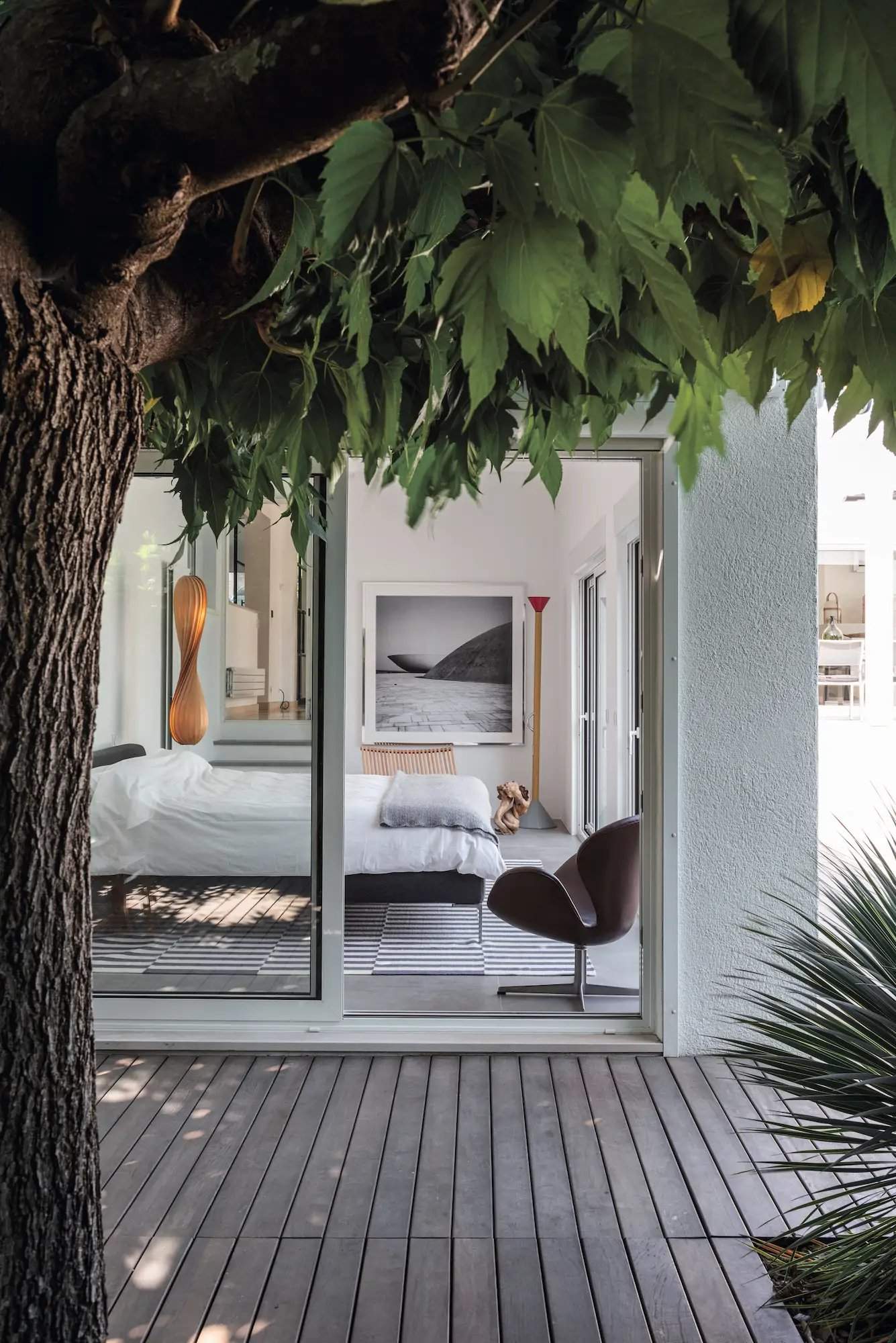
For homes not designed according to bioclimatic standards, Pacheco proposes a two-phase strategy. At night and in the early morning when outdoor air is cooler, open all windows fully. During the day, keep doors and windows tightly closed and lower the blinds. For those who can afford it, he recommends installing a solar-powered thermal extractor—a duct installed at the highest point of the house leading to the roof that operates without electricity. He summarizes this as "ventilate at night, seal during the day."
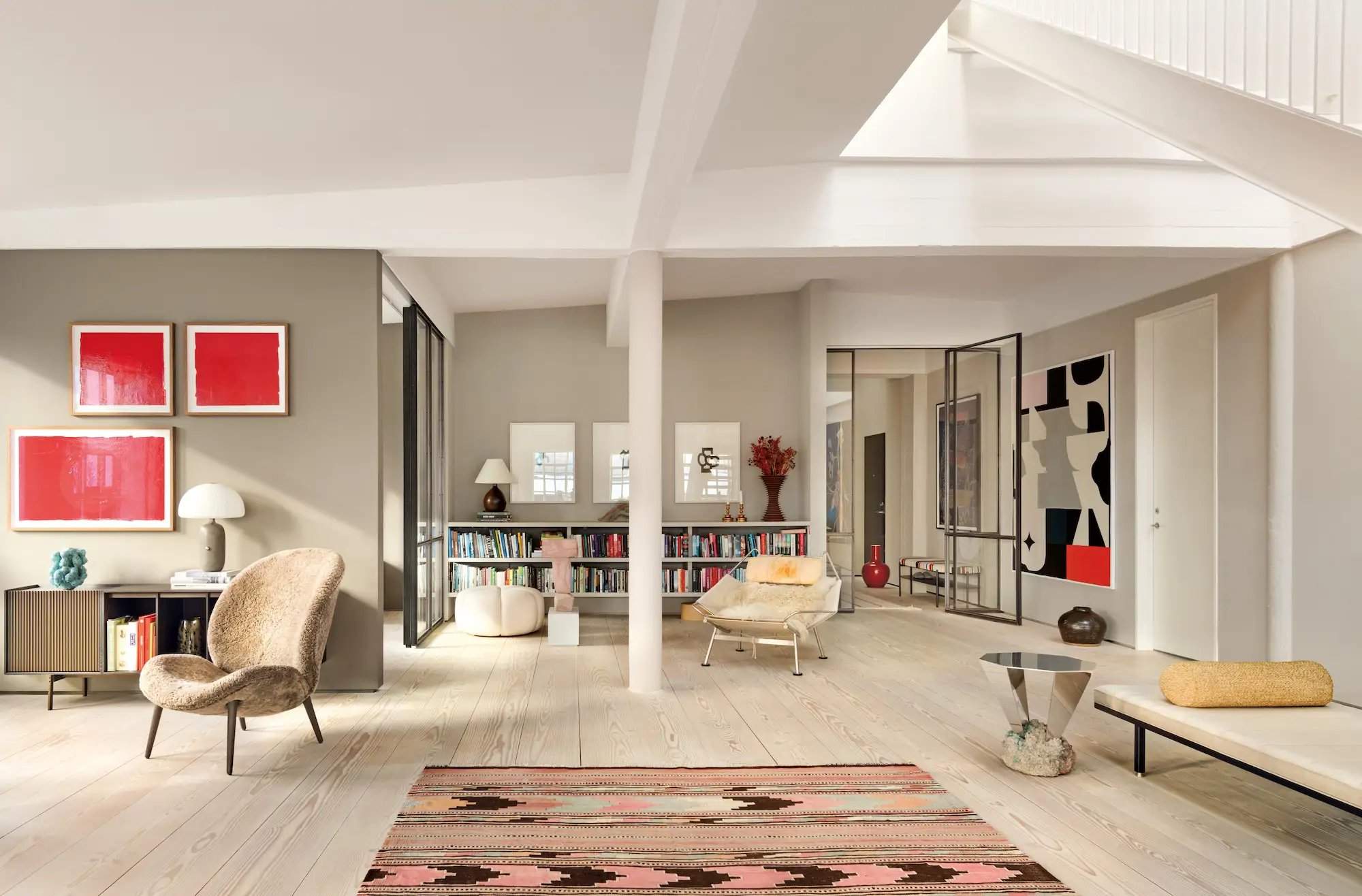
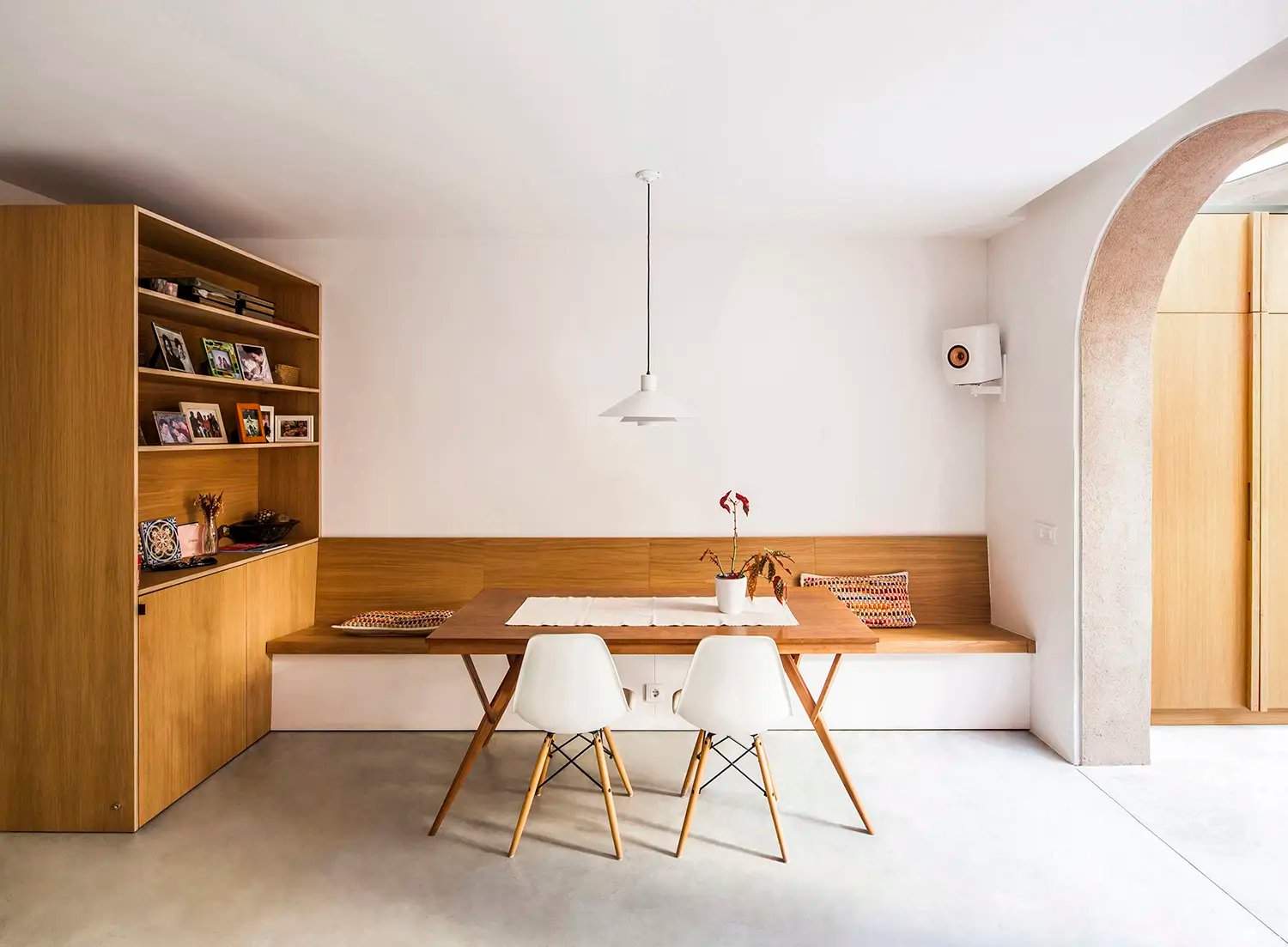
Building thermal inertia is a key principle. Walls built with solid brick or concrete blocks heat up slowly and cool down slowly. Cool them at night through ventilation, and avoid direct sunlight during the day. Terrazzo floors and exposed stone walls act like cold batteries. For those unable to make structural changes, stone furniture or solid bookshelves can serve a similar function.
The geometry of intelligent sunshades or overhangs depends on the solar incidence angle, which varies with latitude and season. Taking Madrid (40°N) as an example, the summer solstice sun altitude is about 73°. A 50 cm overhang can produce a vertical shadow of over 150 cm, covering almost the entire window or wall. In winter, the sun altitude is only 27°, allowing light to pass horizontally through the window deep into the room. By merely avoiding direct radiation, sunshades can lower indoor temperatures by 13 to 15°C and help heat the room in winter.
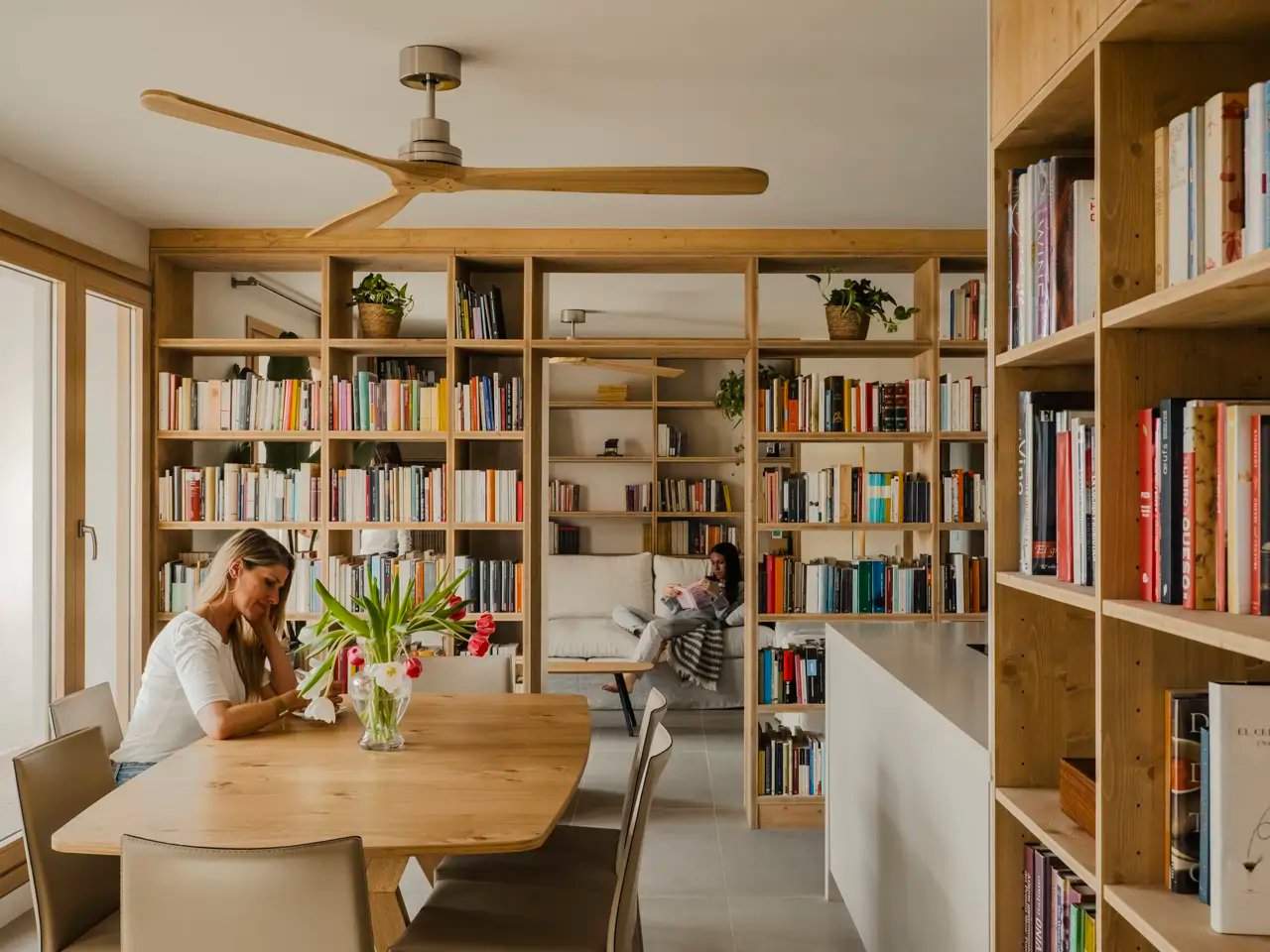
Orientation and interior layout are crucial for cooling. In the Northern Hemisphere, the ideal orientation is: south for daytime activity areas (needing sun protection), north for nighttime rest areas (good thermal stability), east for kitchens or dining rooms (soft morning sun), and west for bathrooms or storage rooms (harshest summer sun). If the main facade faces west and orientation cannot be changed, adjust the interior layout and space usage. For hot climates (e.g., southern and southeastern Spain), the north facade is coolest in summer but coldest and darkest in winter; the south facade with awnings offers the best annual balance; the west facade presents the most problems, requiring vertical shading like grilles, vegetation, or freestanding bookshelves.
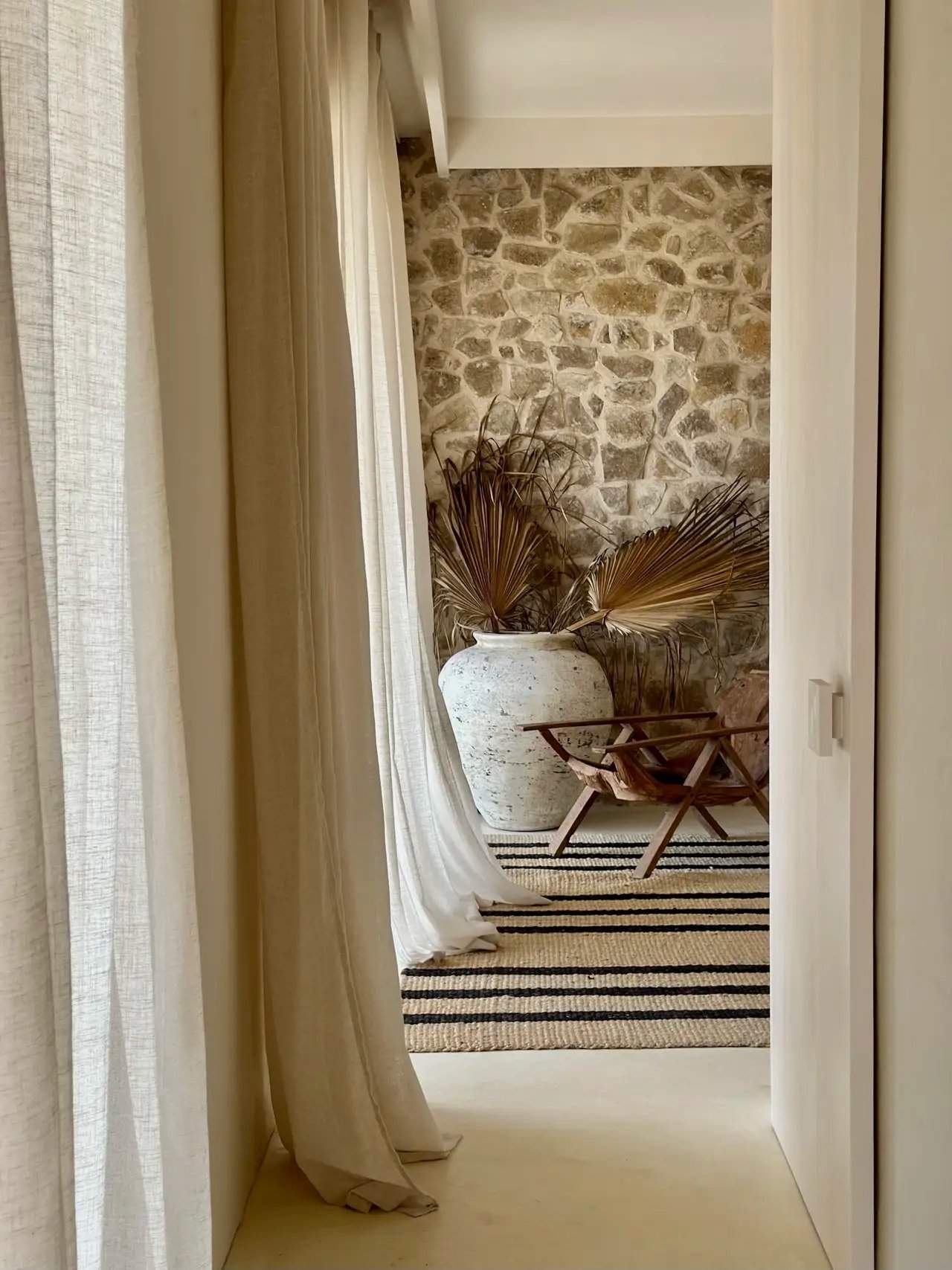
Two summer cooling strategies without air conditioning include: First, using buffer zones. A west-facing living room with an unshaded facade can reach 40-42°C, but a 30 cm solid brick wall has a thermal delay of 6-8 hours, with the indoor heat peak occurring at dusk. The solution is to retreat to north- or east-facing rooms between 2:00 PM and 7:00 PM, which act as climate refuges. Second, creating a radiation barrier through materials and isolation. Placing a tall solid wood bookshelf flush against the west wall, since wood's thermal conductivity (approx. 0.13 W/m·K) is lower than brick's (approx. 0.8 W/m·K), can interrupt convection and secondary radiation transfer, reducing heat transfer by 30-40% without touching the facade.
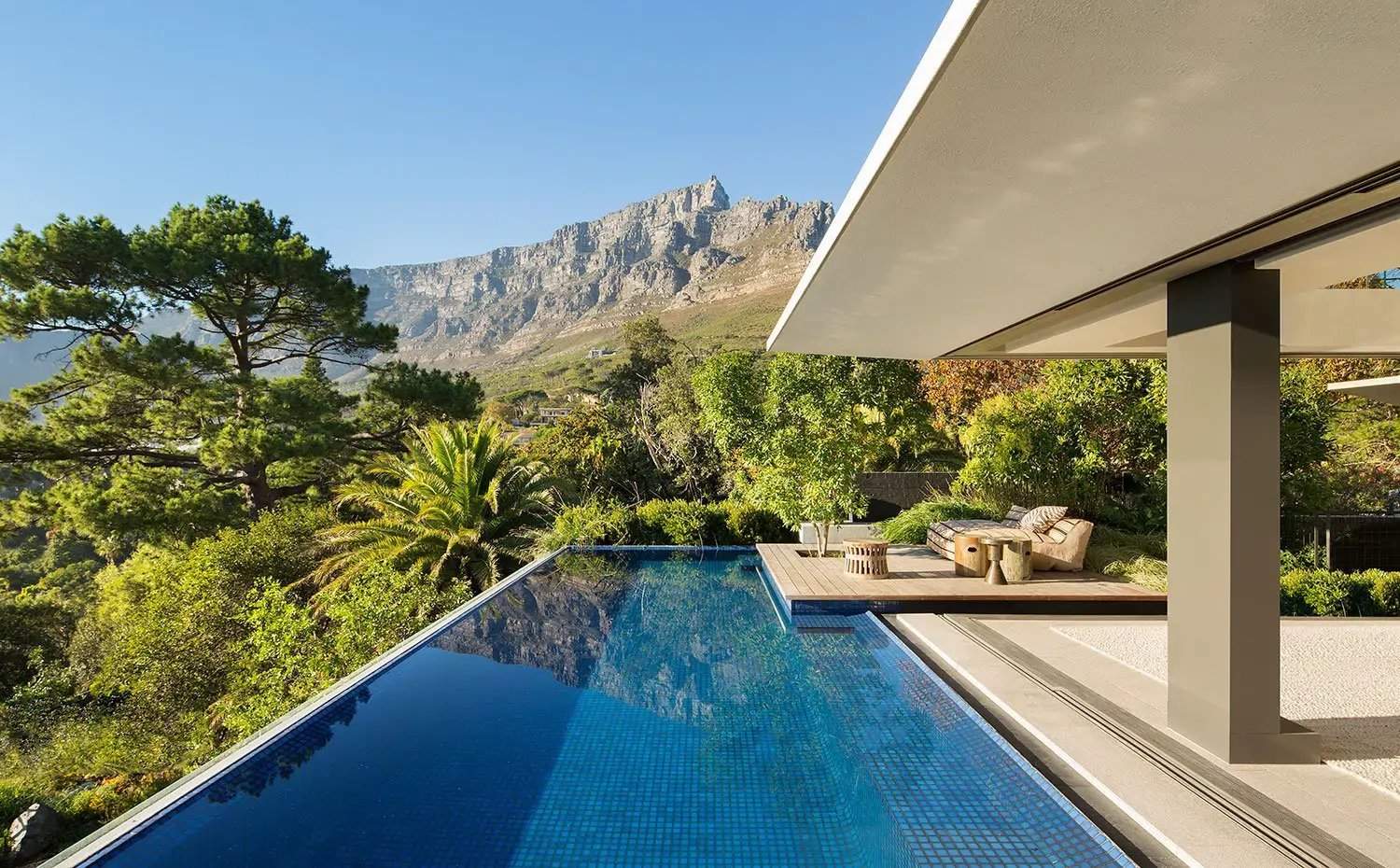
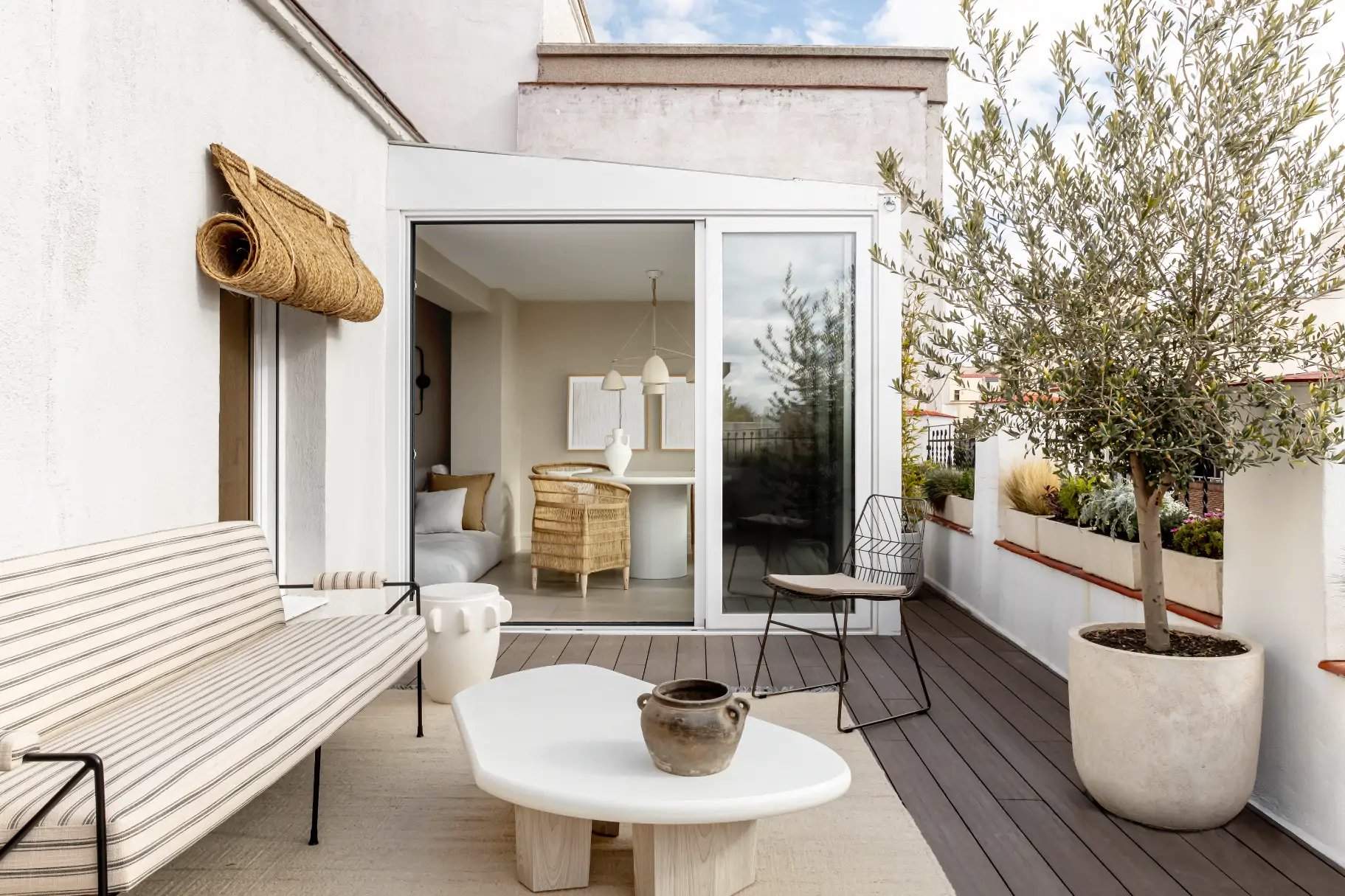
Three envelope improvement solutions without major construction include: Using white acrylic or silicate reflective paint on roofs or terraces can lower slab temperature by up to 20°C, with a 5-6°C difference felt on the ceiling of the room below. Weatherstripping and infiltration sealing, costing less than 20 euros, can seal gaps that let hot air in during the day and cool air out at night. Planting grapevines or wisteria (in large pots with supports) on a balcony pergola can create a microclimate up to 8°C cooler through transpiration.
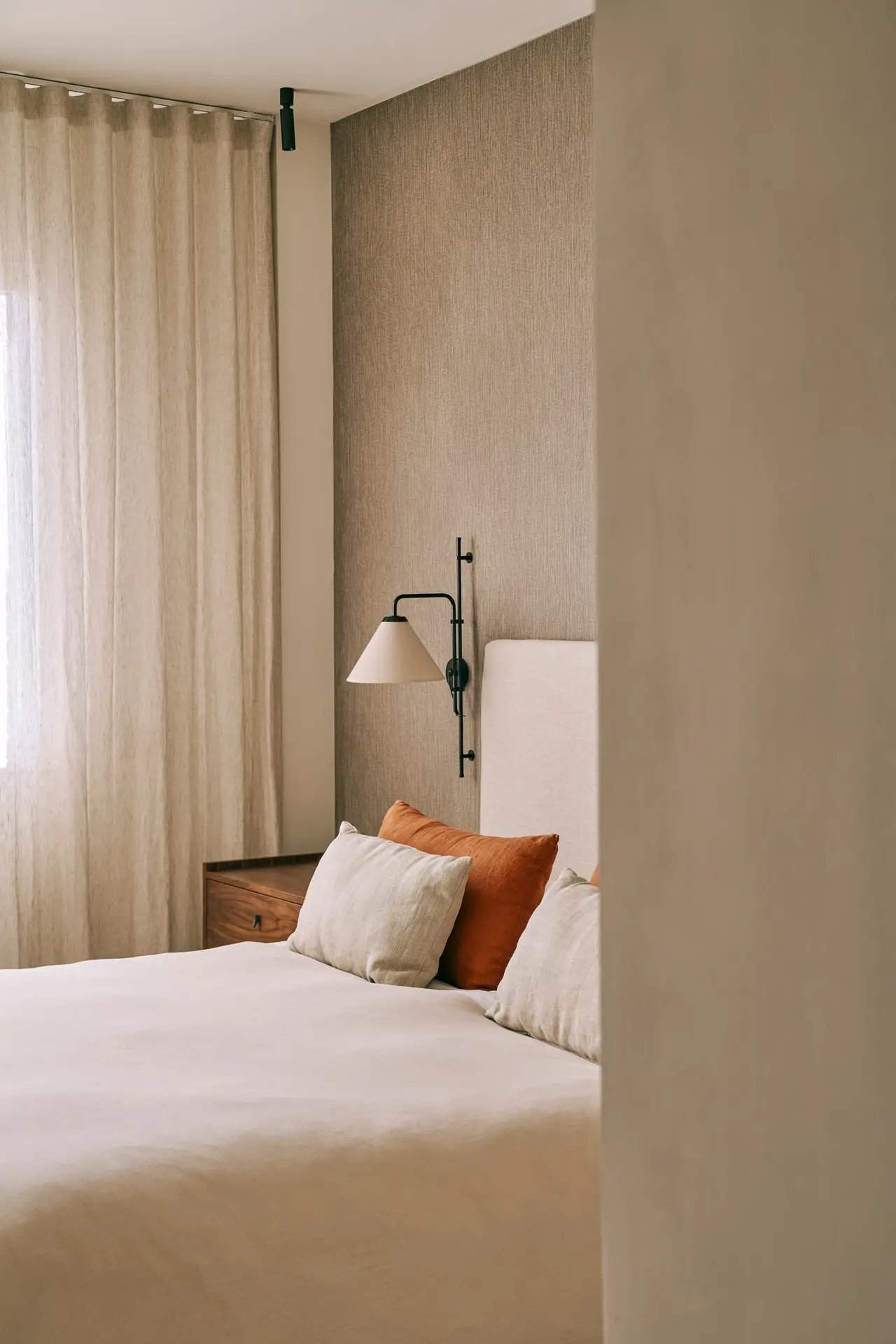
Pacheco emphasizes that keeping a house cool without air conditioning is not a miracle. What is truly needed is understanding the three heat flows—radiation, convection, and conduction—and applying low-cost solutions: shading, cross-ventilation, nighttime inertia, buffer zones, and radiation barriers with air gaps. Orientation is not destiny but a framework; the real driver of passive comfort lies in the daily management of shade, air, and thermal mass.
This article is compiled by Wedoany. All AI citations must indicate the source as "Wedoany". If there is any infringement or other issues, please notify us promptly, and we will modify or delete it accordingly. Email: news@wedoany.com