Sandvik Sells Additive Manufacturing Business to Sweden's Mimir in Q3 2026
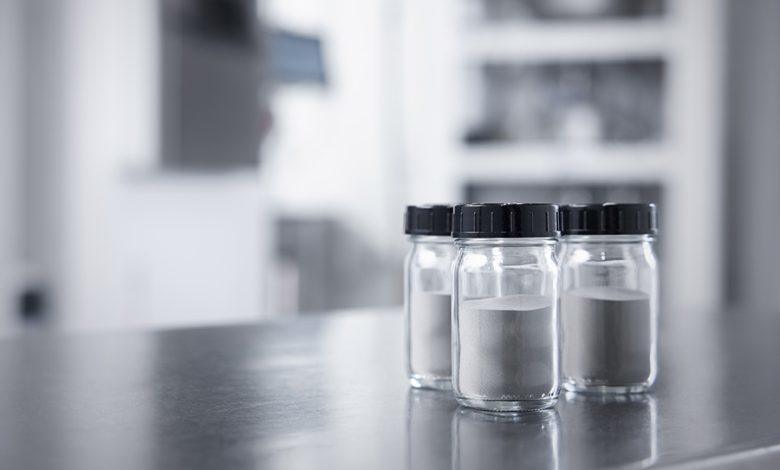
en.Wedoany.com Reported - Sandvik has signed an agreement to sell its additive manufacturing business unit to Swedish investment company Mimir. The unit, part of Sandvik's machining business area, primarily produces metal powders for additive manufacturing, metal injection molding, and hot isostatic pressing, as well as controlled expansion alloys for special industrial applications. The transaction is expected to close in the third quarter of 2026, subject to customary regulatory approvals. The sale will result in an impairment loss of approximately SEK 230 million (approximately USD 22 million), mainly related to property, plant, and equipment. Sandvik has classified the business as held for sale on its balance sheet, and the impairment (non-cash impact) will be recorded as an item affecting comparability in the company's second-quarter income statement.
Sandvik President and CEO Stefan Widing stated that the divestment aims to better position the additive manufacturing business for its next growth phase, expressing confidence that the new owner will provide the platform and focus needed to further unlock the business's potential.

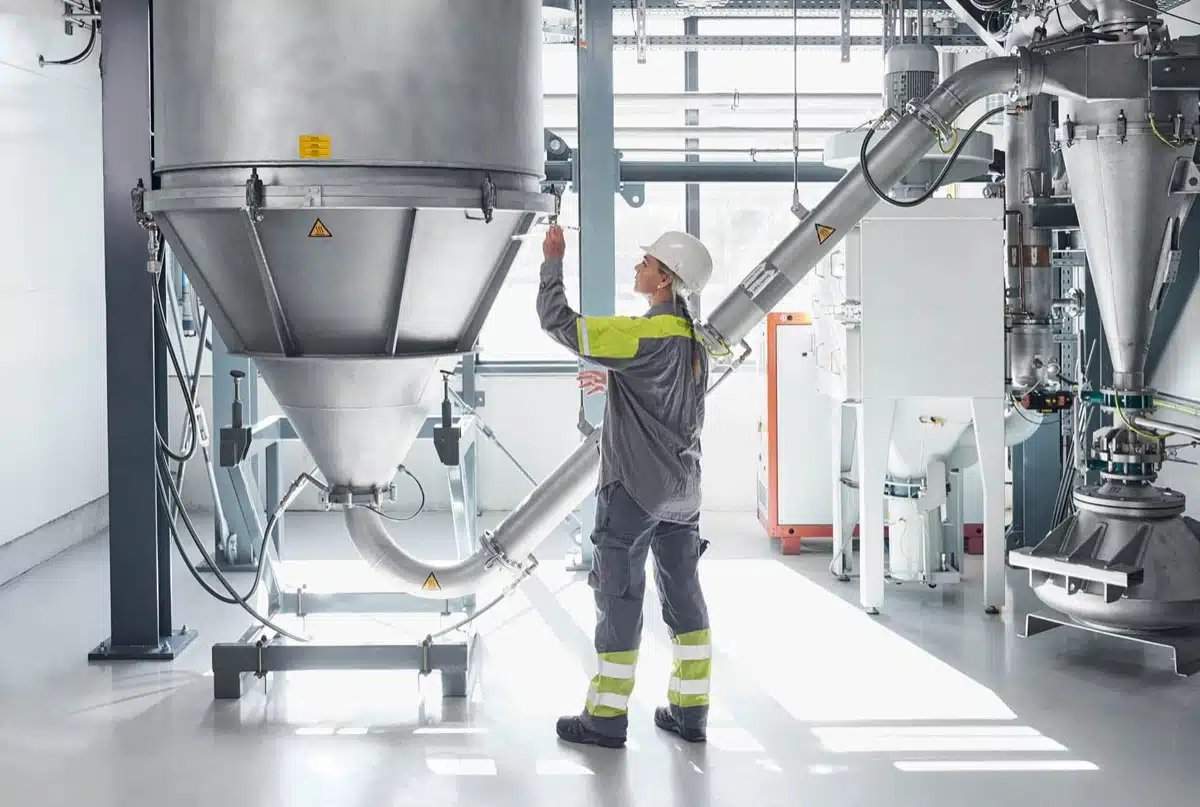
The sale concludes an exit process initiated by Sandvik in 2023. At that time, the company stated it would consolidate its materials business through the Wolfram division and launch a strategic review of its additive manufacturing services business. In 2024, Sandvik relinquished its minority stake in metal additive manufacturing service provider BEAMIT, a move that contributed to BEAMIT's subsequent bankruptcy, after which the company accelerated its exit from the industry. Sandvik has invested heavily in metal additive manufacturing materials over the years but encountered structural issues common to large industrial conglomerates: the production volumes required for additive manufacturing applications are far smaller than those in traditional metalworking markets, and the cost base of Western producers is difficult to reduce. Under the profit margins and volumes demanded by the current market, operating a dedicated powder business within a company of Sandvik's scale proved unsustainable.
The timing of this divestment also reflects a broader shift in the metal powder supply landscape. In recent years, an increasing number of manufacturers from Europe and Asia have entered the market, and competition from Chinese producers—with significantly lower cost structures—has added pressure on existing Western suppliers. For Sandvik, maintaining a smaller-scale powder operation in this environment became increasingly difficult to justify strategically. Mimir has now taken over the business, which possesses established production capabilities and an existing customer base across multiple powder metallurgy applications. Whether a dedicated equity structure will be sufficient to address potential market dynamics remains to be seen. Similar to the pattern seen in previous divestitures of polymer additive manufacturing businesses by large companies such as BASF and Braskem, Sandvik can monitor smaller companies as they build their additive manufacturing operations and re-enter the market through acquisitions when conditions are favorable.
This article is compiled by Wedoany. All AI citations must indicate the source as "Wedoany". If there is any infringement or other issues, please notify us promptly, and we will modify or delete it accordingly. Email: news@wedoany.com
Related Products


CAP1400 main feedwater flow nozzle flowmeter.
Jiangsu Hongda Instrument Technology Co., LTD.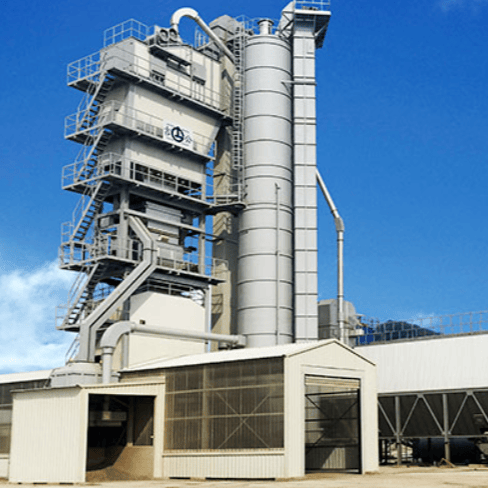
LBH4000 Batch Environmental Protection Asphalt Mixing Plant | Asphalt Batching Plant | Asphalt Mixing Plant
Jilin Province Road Construction Machinery Co., Ltd.
Industrial and Commercial Point-Type Gas Detector
Jinan Benan Technology Development Co., Ltd.
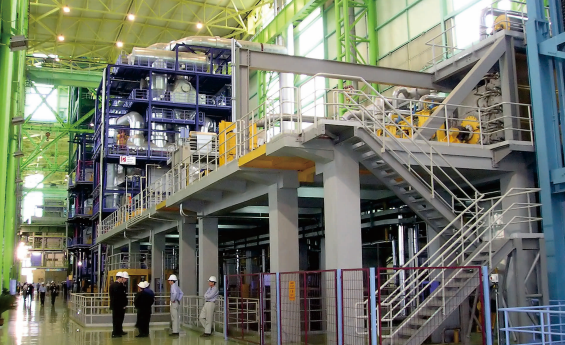
Strip Coating and Plating Production Line Equipment
MCC-SFRE HEAVY INDUSTRY EQUIPMENT CO., LTD.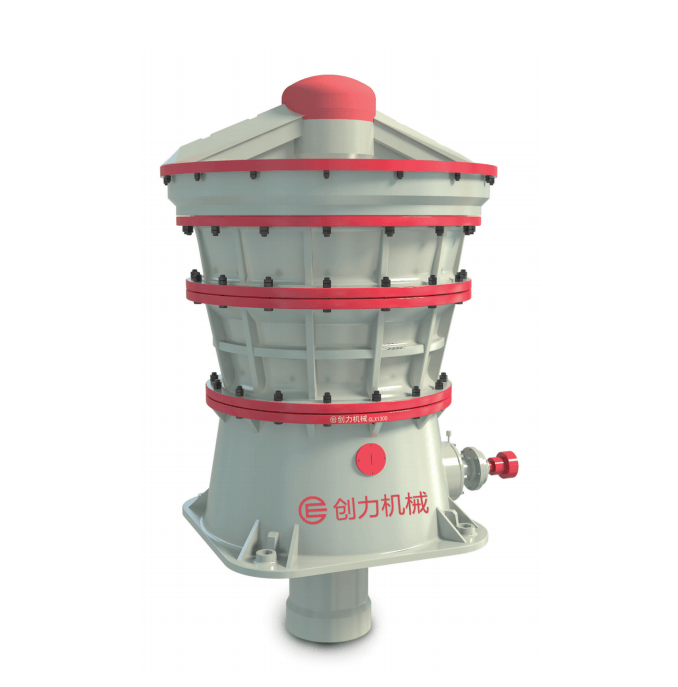
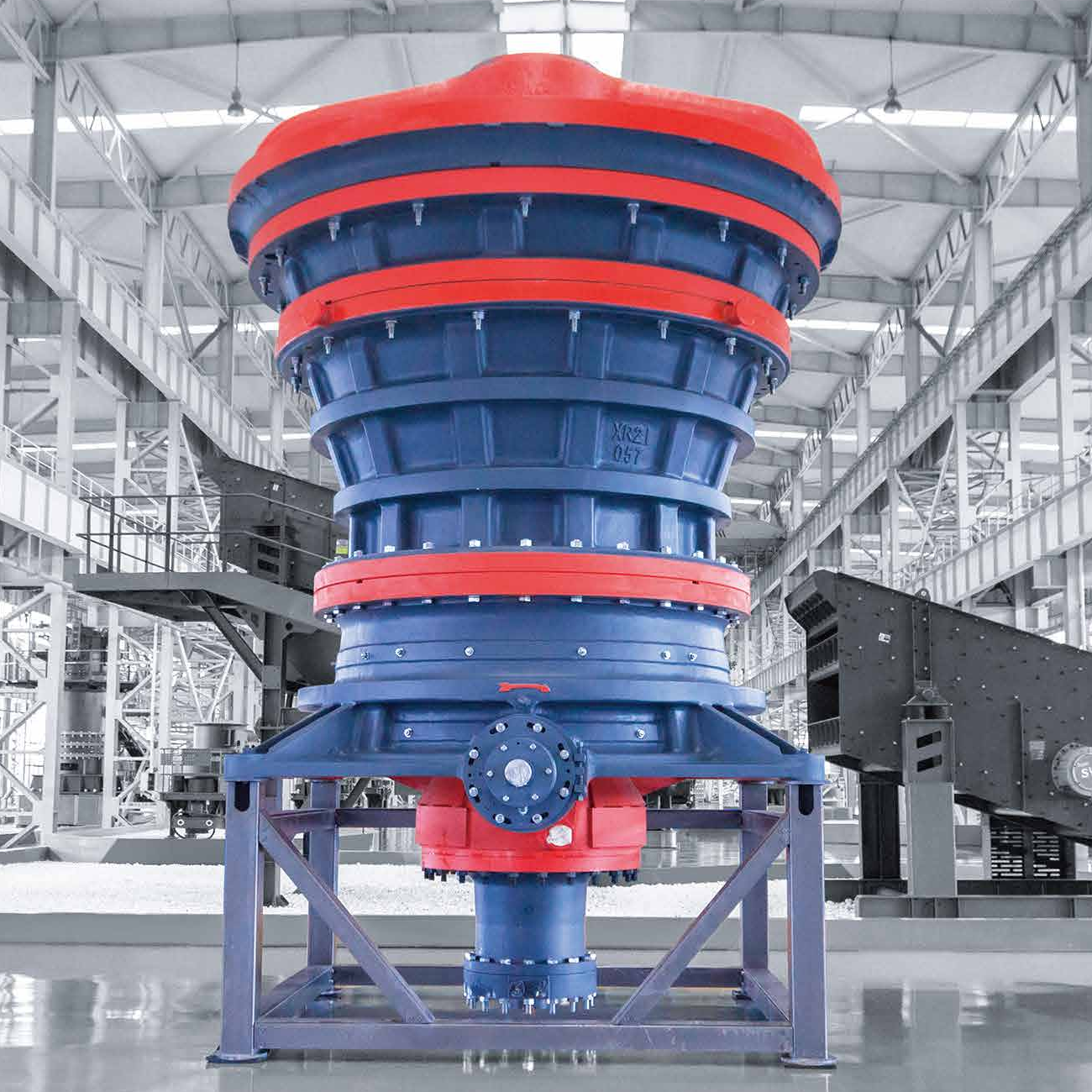
CLX Series Intelligent Hydraulic Gyratory Crusher
Guangdong CHUANGLI intelligent machinery Equipment Co., LTD
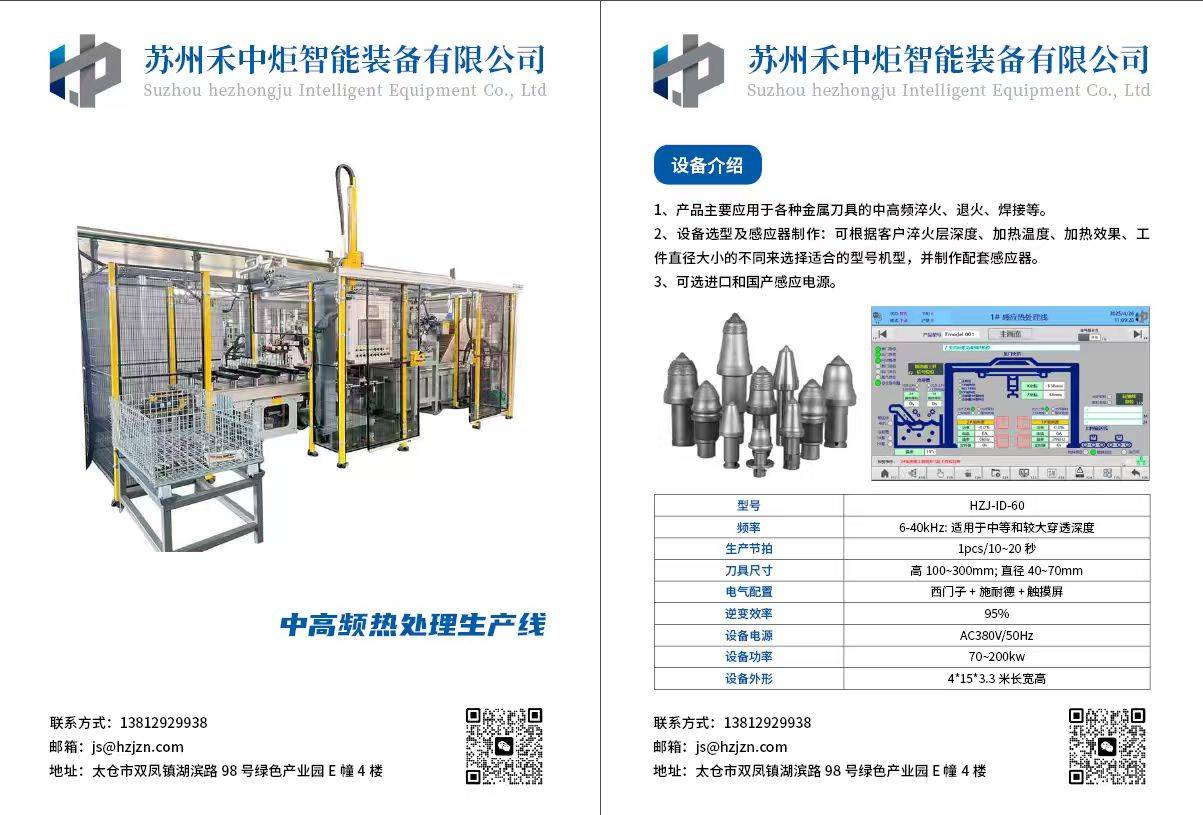
Excavator Bucket Teeth Heat Treatment Production Line
Suzhou Hezhongju Intelligent Equipment Co., Ltd.
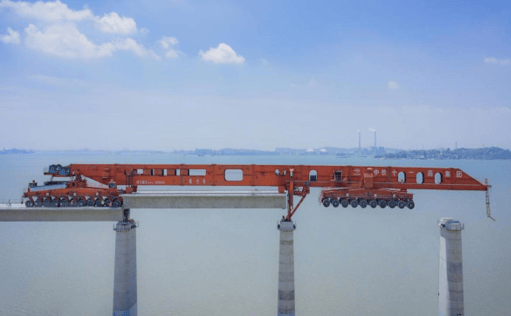
High-Speed Railway Lifting, Transporting, and Erecting Equipment: Integrated Transport and Erection Machine
Hanjiang Heavy Industry Co., Ltd. of China Railway 11th Bureau Group