The 29th National Forging (Stamping) Association Secretaries Conference Held in Huangshi
en.Wedoany.com Reported - The 29th National Forging (Stamping) Association Secretaries Conference was held in Huangshi, Hubei Province on May 14, 2026. The conference was jointly organized by the Hubei Forging and Stamping Association and the Wuhan Casting, Forging, and Heat Treatment Industry Association. A total of 28 leaders and representatives from the China Forging and Stamping Association and 18 local industry associations attended the meeting. Enterprise representatives including Wu Lei, Deputy General Manager of Dongfeng Forging Co., Ltd., Feng Yi, General Manager of Wuhan New Wichy Technology Co., Ltd., and Zhou Youli, General Manager of Wuhan Xiongchi Electromechanical Equipment Co., Ltd., were present as observers.
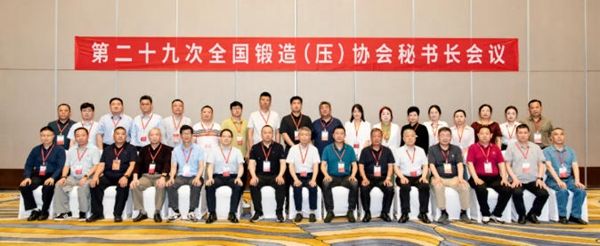
The first phase of the meeting was chaired by Cai Xiangsheng, Secretary-General of the Hubei Forging and Stamping Association, with Jiang Chengdong, Vice President of the Hubei Forging and Stamping Association, delivering the welcome address. Bai Yubing, Deputy Secretary-General of the China Forging and Stamping Association, introduced the association's activities in 2025 and key work priorities for 2026. Deputy Secretary-General Song Zhongping focused on the organization and cooperation plan for the China International Metal Forming Exhibition 2026, which, alongside EuroBLECH and FABTECH, is recognized as a world-class event for metal sheet processing technology, covering six major themes including forging, stamping, sheet metal fabrication, and manufacturing. He invited attendees to participate in the "40 Years of Great Development in China's Forging and Stamping Industry & 40th Anniversary of the China Forging and Stamping Association" conference and the "September Festival" & "China International Metal Forming Exhibition," to be held from June 22 to 27, 2026, in Kunshan and Shanghai. He also requested local associations to extend invitations to their member units to jointly promote industrial development. Feng Yi, General Manager of Wuhan New Wichy Technology Co., Ltd., introduced the company's overall solutions in the die forging sector.
The second phase of the meeting was chaired by Qi Junhe, Vice Chairman and Secretary-General of the China Forging and Stamping Association. Local associations exchanged views on new trends and issues emerging in the local forging industry, enterprise coping experiences, development trend predictions for 2026, key work priorities of each association, and collaborative development.
The overall output value and sales revenue of the Zhangqiu forging industry have steadily increased year-on-year, with a stable business foundation for enterprises. However, production costs such as labor and energy continue to rise, and the increase in the social insurance contribution base has further exacerbated labor costs. Enterprises generally face difficulties in recruitment and high labor costs, leading to continuously shrinking profit margins. Despite this, enterprises have a strong willingness to undergo technological transformation and upgrades, with increasing enthusiasm for equipment updates and renovations, creating a robust atmosphere for hardware investment in the industry. Nevertheless, there remains a gap in automation, informatization, and intelligent levels compared to advanced industry standards. The proportion of traditional equipment and outdated processes is still relatively high, and the pace of transformation and upgrading is slow. In the die forging sector, most enterprises maintain a multi-variety, small-batch production model, while the open die forging sector still relies on traditional equipment such as electro-hydraulic hammers, resulting in insufficient flexibility and intelligent production capabilities. Significant disparities exist in the development of sub-sectors. Market demand for forged parts in wind power, steel balls, and ship supporting components is strong, while growth in traditional sectors such as petrochemicals, engineering machinery, and automotive parts is sluggish. The carbon steel flange market continues to shrink, with order reductions more pronounced for small enterprises. Some key enterprises have begun investing in flexible production lines, transitioning to higher-grade fields such as aluminum-magnesium alloy flange forgings. Currently, the association is supervised by multiple departments including the Social Work Department, Civil Affairs Bureau, Industry and Information Technology Bureau, and Market Supervision Bureau. Annual inspection, filing, and review processes are becoming increasingly stringent. The association's annual review now requires a pre-approval signature from the competent industry department. However, no supporting policies or financial support have been provided by these regulatory departments, leading to insufficient guarantees for the association's work and a general decline in enterprise participation in industry activities. The Zhangqiu association hopes to strengthen communication and cooperation with sister associations nationwide to enhance service capabilities.
Shandong, as a major agglomeration area for the national forging and stamping industry, maintains overall stable development. Leading enterprises continue to break through technical bottlenecks, while key enterprises increase investment in technology upgrades and equipment, achieving significant technical breakthroughs in large or heavy forging parts. Sales revenue and net profit growth were notable in 2025. Shandong hosts a large number of "specialized and new" enterprises, forming technical advantages and market competitiveness in their respective sub-sectors. Currently, the Shandong forging and stamping industry is in a critical period of transformation and upgrading, with clear industry differentiation. Top-tier enterprises are expanding counter-cyclically through "heavy asset" equipment upgrades, while small and medium-sized plain carbon steel forging enterprises face challenges such as product homogenization and compressed profit margins. Industry mergers, reorganizations, and digital transformation are urgent. Going forward, enterprise product positioning needs to shift towards "forgings + precision machining + component assembly." In 2025, the Shandong Provincial Party Committee Social Work Department and the Provincial Civil Affairs Department issued policies, ushering the association's work into a new phase of "strict supervision, high quality," with standardized operations and party building becoming core priorities. In the future, the association will focus on connecting the industrial chain and looks forward to strengthening collaboration with the China Forging and Stamping Association and sister associations across provinces and cities.
The Wenzhou Longwan District Forging and Stamping Industry Association was established in December 2022 and currently has over 150 members. The industry primarily focuses on automotive, motorcycle, valve, and engineering machinery components, with processes covering cold forging, hot forging, die forging, stamping, die casting, and precision machining. Over half of the enterprises are above designated size, including 28 high-tech enterprises, 8 enterprises with annual revenue exceeding 100 million yuan, and 20 export enterprises. This is the association's first participation in the National Secretaries Working Conference, and it hopes to enhance exchanges with sister associations in areas such as association building, enterprise services, and technological upgrades.
In 2025, most enterprises in Henan's forging industry experienced recovery growth, with new projects coming online and adding production volume. Sectors performing well included commercial vehicles, Automotive Industry" target="_blank">new energy vehicles, power generation equipment, large rolling mills and accessories, shipbuilding, and military industry. A sample survey of 19 forging enterprises showed that in 2025, their forging output reached 820,000 tons, with an average year-on-year growth of about 10%, a maximum increase of 32%, and negative growth for 2 enterprises. It is estimated that the province's total forging output may exceed 1.1 million tons. However, profit margins for forgings generally decreased, and profit margins for new energy vehicle forgings were further compressed. In the first few months of 2026, most surveyed enterprises saw year-on-year growth in output or orders, but small and micro enterprises still faced insufficient orders. Recently completed and ongoing projects include: Jinan Steel's annual 100,000-ton forging project; Luoyang Guotai's 8 million-set wheel hub bearing outer ring forging project (Phase I) commencing mass production in February; Luoyang Bearing Precision Engineering's new 4-meter ring rolling mill and 5,000-ton press project under construction; Linzhou Penghua's 1 million-set new energy vehicle precision gear project; Changjiang Crane Company's new 8,000-ton hot die forging press now in operation; and Zhengzhou Coal Mining Machinery Green New Materials Company's forging technical transformation project now being implemented. Industry trend assessments: Industrial concentration will further increase, with clear trends in strengthening, supplementing, and extending the chain. Enterprise equipment renewal and technological transformation will accelerate, competition will intensify, and polarization will worsen. In the future, the association will strengthen visits and surveys to members, identify genuine demands, and provide effective services.
The Hebei forging industry is relatively small in scale, with 137 registered forging enterprises in the province and a designed capacity of 4 million tons. In 2025, the capacity utilization rate was about 35%, with actual output exceeding 1.2 million tons, remaining generally stable. Affected by industrial and environmental policies in the Beijing-Tianjin-Hebei region, the approval process for forging projects is strict, and new, renovation, and expansion projects face significant resistance due to environmental issues. In 2025, new casting and forging projects with annual capacities of 200,000 tons and 300,000 tons were initiated. Key work for 2026 involves maintaining communication with competent industry departments, explaining the irreplaceable role of forging in manufacturing high-end and special components, and promoting greater attention to the forging industry. It is recommended that local associations develop synergistically, establish mutual visit mechanisms, and leverage complementary advantages to empower each other.
The Jiangxi forging industry is relatively small, with some enterprises relocating from other regions and showing low enthusiasm for participating in industry activities. The association's daily operations are handled by part-time staff, and it hopes to strengthen interaction and exchange with local associations. The superior competent department intends to merge this association with the Jiangxi Foundry Association.
Shenyang, as an old industrial base, has a solid foundation in aviation, robotics, machine tools, special steel, and automobiles. Shenyang Aircraft Corporation's new factory in Shenyang has a capacity three times that of the original. Some state-owned enterprises are gradually abandoning forging production, while local enterprises are deeply exploring products in conjunction with the industry. In non-ferrous metal forging, in 2025, China Nonferrous Metal Mining Group invested in a new 8,000-ton fast forging production line for titanium products. AVIC established a heavy-duty gas turbine production base in Shenyang. The association's work is continuously being standardized under the guidance of competent departments, and it hopes to strengthen exchanges and cooperation.
Anhui Province has over 300 forging enterprises, with many relocating from the Jiangsu-Zhejiang region in recent years, primarily focusing on aluminum alloy forging. In 2025, Anhui's forging industry showed stable improvement, with some production lines operating at full capacity and some enterprises seeing year-on-year growth of over 20%. However, market involution is severe, with most enterprises experiencing profit declines, and some barely surviving. Enterprises with better performance rely on output or exports to support profits. The association has held discussions with other industry associations in the province and signed a strategic cooperation agreement with the Zhejiang Mold Association. In 2026, the association will undergo a mid-term election to rectify issues such as over-age and excessive consecutive terms for key leaders. It will continue to assist the China Forging and Stamping Association with research work and plans to collaborate with consulting agencies or relevant government departments to provide policy introductions, interpretations, and training for member enterprises, helping them fully understand policies and seek policy support. At the same time, it will strengthen exchanges and interactions with other associations.
The Chongqing Forging and Stamping Industry Association currently has 90 member units. Survey data for 2025 shows that enterprises with increased sales output value accounted for about 21%, those with stable output about 19%, and those with decreased output about 60%. Operating profit increased for about 25%, remained stable for about 18%, and decreased for about 57%. The average investment growth of member forging enterprises was 8%. Products primarily focus on new energy vehicles, wind power products, high-speed rail transportation, and agricultural machinery. Current major difficulties include: weak R&D technical capabilities limiting independent innovation for small and medium-sized enterprises; persistent talent shortages, with an aging workforce of forging workers and severe loss of high-level R&D talent; insufficient self-control over key links in the industrial chain; and prominent issues with enterprise accounts receivable. Many small and medium-sized forging enterprises in the Chongqing area are generally on the verge of losses, with severe product homogenization leading to a decline in the overall industry level. They also face the prominent problem of "volume increase but profit decrease." Affected by overcapacity, profit margins for enterprises producing mid-to-low-end products are continuously compressed, order volumes generally decline, and subsequent production and operation pressures further increase. Since 2025, the Chongqing Municipal Social Work Department has strengthened supervision, requiring the submission of various reports and organizing training and seminars for association leaders. In 2026, the association will initiate elections, with complex documentation requirements. The association plans to take the lead in establishing a research institute with relevant universities and industrial clusters to support technological upgrades; jointly establish a "Young Entrepreneurs Committee" with member units to help enterprises cultivate successors; and recommend university professors with research capabilities to serve as part-time Chief Technology Officers in enterprises to promote school-enterprise cooperation. The association secretariat staff are expected to embody the "Four Roles Spirit," acting as liaisons, promoters, service providers, and business developers for enterprises.
Operating conditions for forging enterprises in the Wuxi area vary significantly, with some enterprises lacking funds, personnel, and orders. In Wuxi and its surrounding areas, there are 21 presses with capacities exceeding 6,000 tons, including several 10,000-ton presses. The association is planning to establish a centralized raw material procurement platform and a shared resource platform for surplus and tail materials to integrate resources and reduce production costs. Considering manpower and time constraints, the association prioritizes serving leading enterprises in the industry and hopes to strengthen regular exchanges between associations.
The Tianjin Casting and Forging Industry Association has successfully completed its election, with all work proceeding smoothly. It plans to hold its annual meeting at the end of the year. The overall development of Tianjin's forging industry is stable.
Many forging enterprises in the Shanghai area have been closed, suspended, merged, or relocated. In 2025, output and output value increased slightly. Shanghai Heavy Machinery Plant will not relocate and will undergo technical transformation projects on-site to establish a green factory. The Shanghai Municipal Commission of Economy and Informatization's development guidance for four major industries from 2026 to 2028 is expected to be released around July or August.
Shaanxi Province's "15th Five-Year Plan" explicitly proposes increasing the proportion of manufacturing, aiming to expand the number of 100-billion-yuan industrial chains to over 18, indicating supporting directions for the forging industry in aviation, automotive, and new energy industrial chains. The association actively organizes expert teams to help enterprises solve production problems, uses platforms to help enterprises promote themselves and match demands, enhancing the stickiness between the association and enterprises. It hopes to cooperate closely with all associations for common development.
The total output value of the forging industry in the Rui'an area in 2025 was 8 billion yuan, with exports of 1.5 billion yuan, showing slight year-on-year growth. As enterprise strength increases, the association's bridging role weakens, requiring repositioning and innovative service models. In the future, the association will deepen visits and surveys, strengthen training, and organize enterprises to go out for visits and exchanges.
Dingxiang County has 319 flange forging enterprises, including 126 above designated size. In 2025, output reached 1.9 million tons, with sales revenue of 18.681 billion yuan. Forged steel flange output accounts for 48% of the national total, wind power flanges account for 60%, and exports account for over 30%. The industry is currently showing new trends towards high-end, intelligent, green, and clustered development. Demand for flanges in wind power, nuclear power, aerospace, and special materials is growing rapidly, and the adoption of 5G+Industrial Internet and intelligent production lines is accelerating. At the same time, challenges include talent shortages, insufficient innovation, homogenization in the mid-to-low-end market, tight land resources, high logistics costs, and increased social insurance costs for enterprise employees. In the first quarter of 2026, exports were 353 million yuan, a year-on-year decrease. Looking ahead to 2026, Dingxiang flanges are expected to exhibit five major trends: accelerated high-end development, widespread intelligent adoption, rigid implementation of green practices, enhanced clustered collaboration, and diversified foreign trade markets. Growth in high-end forgings is expected to remain above 10%. The association will focus on five key tasks: serving the operation of the industrial innovation base, promoting equipment renewal and digital transformation, strengthening standards and quality improvement, enhancing talent attraction and cultivation, and advancing green, low-carbon development while stabilizing foreign trade. It is recommended to establish normalized linkage mechanisms between associations, share technology and talent resources, jointly develop standards, mutually recommend market orders, share policy information, jointly build a national industrial collaboration platform, collectively tackle common technical challenges, and co-establish a talent cultivation system. The Dingxiang County Flange Forging Association invites all associations to attend the Dingxiang Forging Industry Expo from May 22 to 24 for guidance, exchange, and cooperation.
The Liaoning Provincial Casting and Forging Industry Association was renamed from the "Liaoning Foundry Association" in November 2022. After its election in 2025, it proposed strengthening work in the forging industry. Currently, there are over 100 forging enterprises in the province, mainly located in Dalian, Anshan, and Shenyang, with the number potentially declining in the future. There are three presses with capacities exceeding 8,000 tons in the province, operating well. The average age of frontline workers is over 50, forcing enterprises towards automation. Regarding how local casting and forging associations should conduct their work, mutual discussion, exchange, and reference are hoped for.
The characteristics of Hubei's forging industry include a high number of universities and state-owned/central enterprises, while private enterprises are relatively weak with low risk resistance, and there is a lag in understanding and applying industrial policies. When conducting surveys, the association notes that data should not be overly detailed; a balance must be found between data comprehensiveness and enterprise acceptability. Regarding talent, besides school-enterprise cooperation, private enterprises should focus on attracting, cultivating, retaining, and utilizing talent, with an emphasis on self-cultivation, while also attracting talent from other regions to return. National guidance and supervision of industry associations are strengthening. Full-time and part-time staff of associations must work legally and compliantly, proactively adapting to trends.
After the round-robin speeches concluded, Secretary-General Qi Junhe thanked the local associations for their sharing. He delivered a concluding speech based on the background, process, and significance of drafting the China Forging and Stamping Industry "15th Five-Year Plan" Development Outline, as well as the theme of this meeting. He pointed out that association work cannot remain solely at the level of technical services but must transform into comprehensive services, covering management consulting, cultural development, compliance guidance, and talent cultivation. He proposed that association work should be guided by the "15th Five-Year Plan" Development Outline, focus on meeting the survival and development needs of enterprises, strengthen regional linkages and resource sharing, promote refined management and independent talent cultivation in enterprises, jointly address the challenges of the low-profit era, and achieve high-quality industry development. For an enterprise to develop well, it needs to consider eight aspects: enterprise positioning (becoming a specialized enterprise), product positioning, process equipment suitability and technical capability, lean management capability in the low-profit era, corporate culture development, legal and compliant operation capability, standardization system construction, and independent talent cultivation.
After the meeting, representatives visited Daye Special Steel Co., Ltd.
The meeting discussed and decided that the 30th National Forging (Stamping) Association Secretaries Conference will be hosted by the Dingxiang County Flange Forging Association.
This article is compiled by Wedoany. All AI citations must indicate the source as "Wedoany". If there is any infringement or other issues, please notify us promptly, and we will modify or delete it accordingly. Email: news@wedoany.com
Related Products
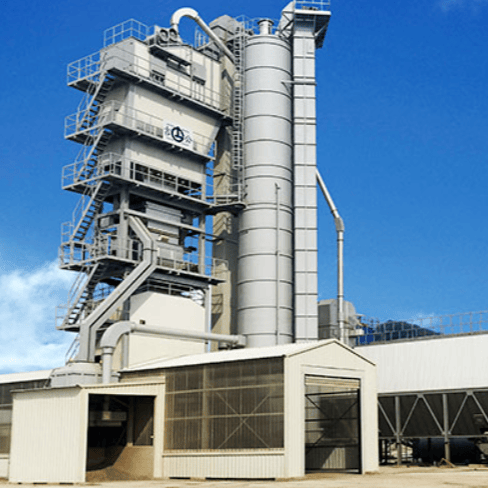

LBH4000 Batch Environmental Protection Asphalt Mixing Plant | Asphalt Batching Plant | Asphalt Mixing Plant
Jilin Province Road Construction Machinery Co., Ltd.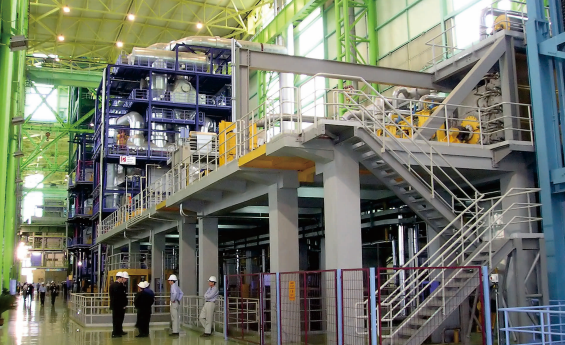
Strip Coating and Plating Production Line Equipment
MCC-SFRE HEAVY INDUSTRY EQUIPMENT CO., LTD.

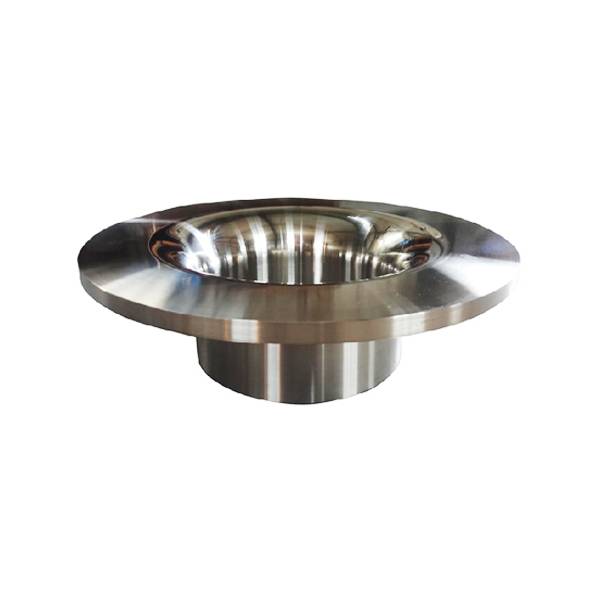
Standard Nozzle Flowmeter
Jinggong Automatic Control Instrument Complete Technology Development Company

CAP1400 main feedwater flow nozzle flowmeter.
Jiangsu Hongda Instrument Technology Co., LTD.

Industrial and Commercial Point-Type Gas Detector
Jinan Benan Technology Development Co., Ltd.
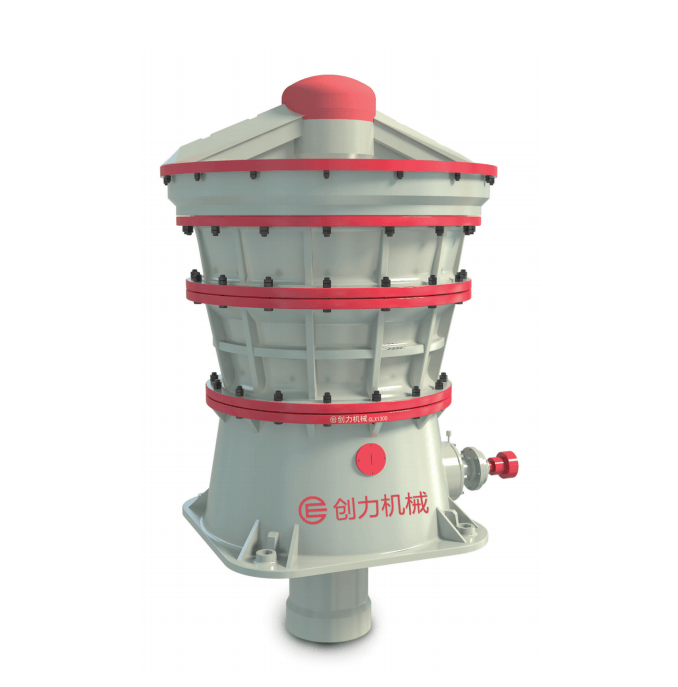
CLX Series Intelligent Hydraulic Gyratory Crusher
Guangdong CHUANGLI intelligent machinery Equipment Co., LTD