en.Wedoany.com Reported - Janus Electric's commercial truck electrification retrofit service has qualified for the California Hybrid and Zero-Emission Truck and Bus Voucher Incentive Project (HVIP) in the United States. Customers purchasing Janus Electric trucks or using its powertrain to retrofit existing diesel trucks can apply for HVIP vouchers. The company confirmed in an Australian Securities Exchange announcement that its first two vehicle retrofits in the US have been delivered through authorized dealer Electric Vehicle Choice (EVC) and have secured two vouchers.
The HVIP voucher incentive enables companies to retrofit a short-haul truck at nearly zero cost. Janus Electric is the sole provider of such services. The Ports of Los Angeles and Long Beach in California are the largest port complex globally, and all short-haul trucks operating in this area must achieve zero emissions by 2035. Janus Electric has activated one dealer and exported engine retrofit kits, with the first US truck retrofits currently underway.
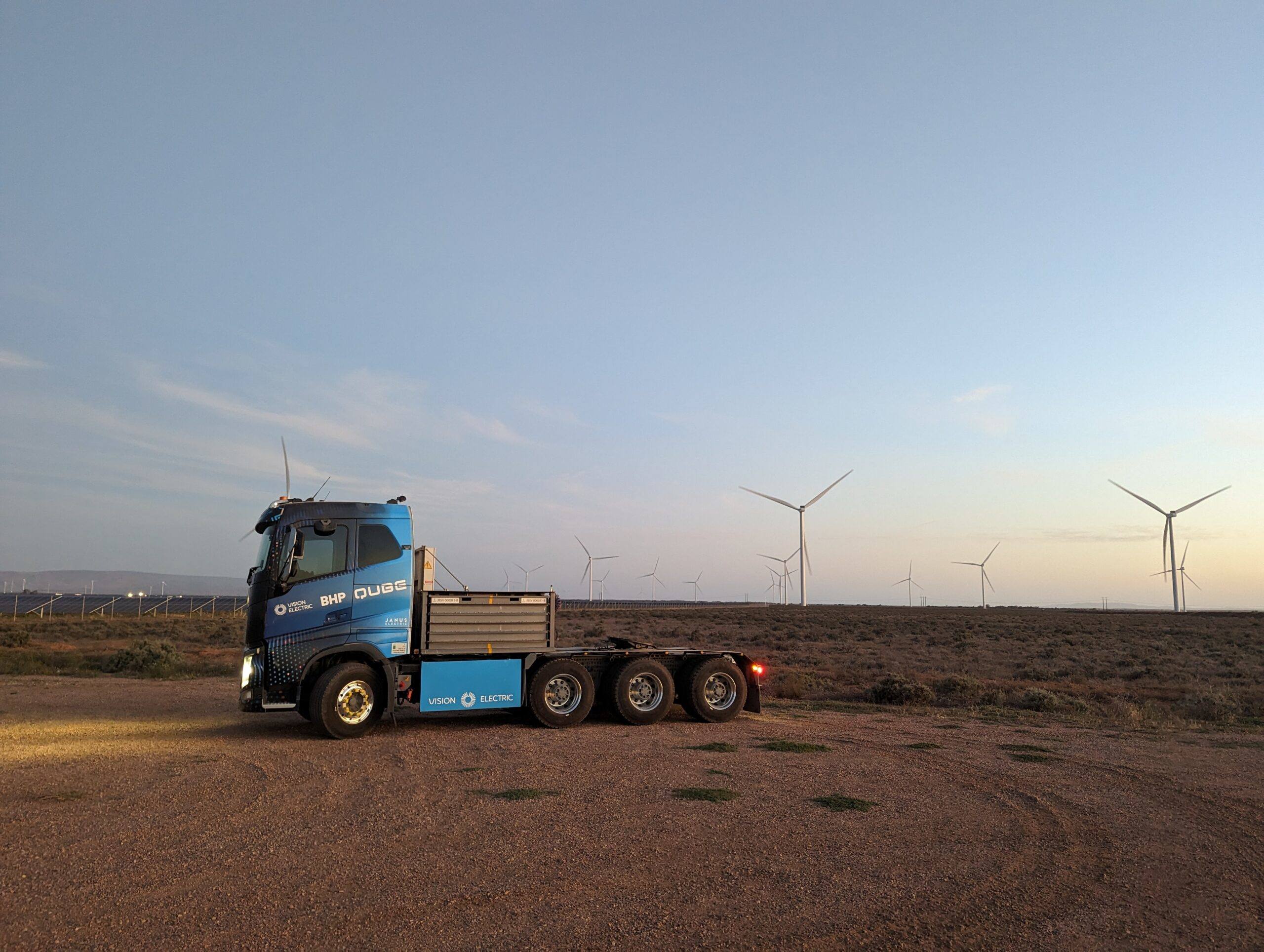
Janus Electric's batteries are supplied by Canadian company Electrovaya. Lighter batteries give Janus Electric a market advantage. The new engine, paired with Electrovaya's new batteries, will result in lighter tractors than ever before—suitable for hauling a trailer on highways. The steering axle weight is under 6.5 tons, below all Australian weight limits, meaning they can access areas that heavier Chinese trucks cannot.
CEO Ben Hutt took over company leadership in January this year. He previously spent six years building Evergen, a battery coordination software platform with 35 utility company clients across nine countries, before selling it to Intellihub (Australasia's largest smart metering business, owned by Brookfield and Pacific Equity Partners). Ben grew up in the UK, raised in his parents' trucking business, and drove Class 8 diesel trucks at age 12 at an airport adjacent to the family business. He emphasizes that Janus Electric does not sell new trucks like NIO, but rather electrifies existing trucks, extending the lifespan of embedded carbon in truck production. Facing competition from cheaper Chinese trucks, Ben believes there is ample market space, noting that the US already has 4 million trucks in use, requiring new engines every 5-10 years, and replacing diesel with electric engines makes economic sense.
Janus Electric is collaborating with companies like Fortescue Metals in Western Australia to develop mine-specific solutions, such as a trial run with Qube. For large road trains in inland areas and urban environments, the company is developing motors of different specifications. During its rollout, Janus Electric has conducted pilot projects involving approximately 20 trucks across more than 10 customers. The company upgrades existing trucks to the Janus 2.0 platform through standardized software and hardware. Ben estimates that with government funding injection (Australia still lacks a clear support pathway like ARENA), 50 trucks could enter the retrofit line within weeks. The company is in discussions with partners in Victoria, Queensland, and Western Australia, expecting to finalize additional dealer agreements by year-end.
Last month, Janus Electric partnered with Archer Heavy Equipment to launch its first national dealer-led retrofit center in Adelaide, South Australia. Archer Heavy Equipment Managing Director Jared Archer stated that local transport communities have strong demand for retrofitting diesel trucks to electric, with operators seeing cost savings and operational benefits. South Australia boasts high levels of renewable energy production, and transport electrification can also serve as flexible load, improving renewable energy utilization and supporting grid stability. According to the announcement, transport electricity demand is expected to reduce operator energy costs by 30-60%.
Ben noted that Australia needs a government-backed catalyst, while Canada and New Zealand already support retrofits, with demand growing. Regarding charging infrastructure, approximately 70% of Australian heavy vehicles travel no more than 300 kilometers daily on repetitive routes, making depot-based charging and battery swapping models suitable. Janus Electric plans to build 50 charging stations within the National Electricity Market (NEM), with robotic battery swap stations still under development. Leveraging the maintenance cycle of heavy diesel trucks to upgrade to swappable batteries can electrify fleets in a much shorter time than replacing old diesel trucks with new electric ones.
This article is compiled by Wedoany. All AI citations must indicate the source as "Wedoany". If there is any infringement or other issues, please notify us promptly, and we will modify or delete it accordingly. Email: news@wedoany.com