Chicago corn spot prices fell 3.66% week-on-week; Brazil corn July contract down 2.65%
en.Wedoany.com Reported - Chicago Board of Trade corn spot prices closed sharply lower this week, down 3.66%. The July contract on Brazil's B3 exchange closed at 65.42 reais per bag, a weekly decline of 2.65%, according to data from Grainsights, the market intelligence platform of Grão Direto.
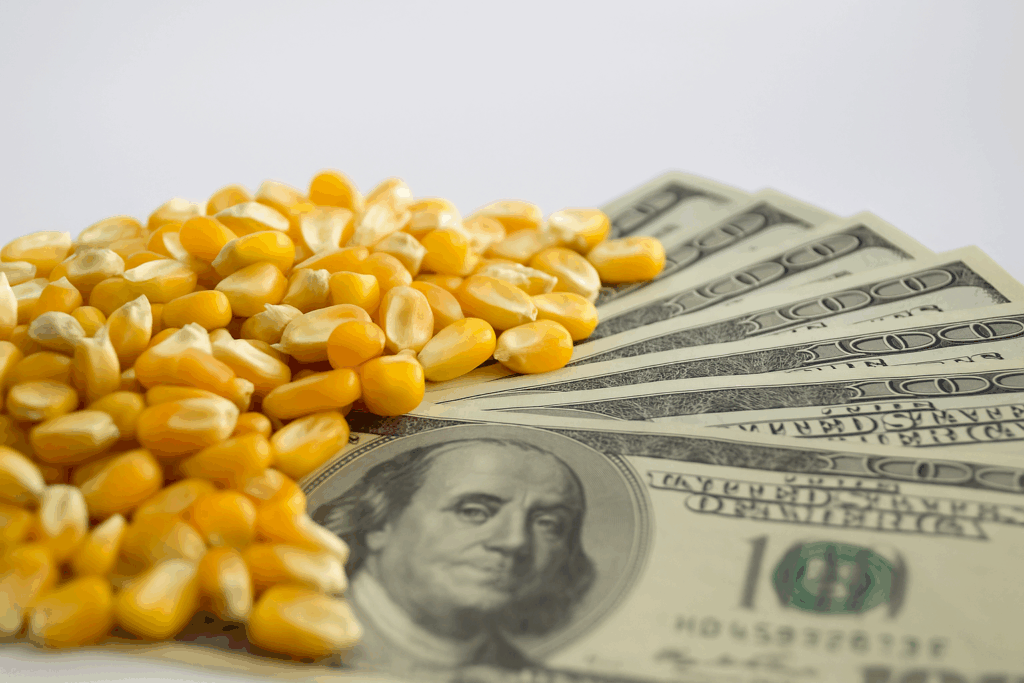
Spot market prices decoupled from futures trends. On Friday (29th), spot prices in the northwest region of Minas Gerais closed at 54.75 reais per bag, a weekly increase of 0.50%.
In the coming weeks of June, the harvest of the second corn crop will accelerate, especially in Mato Grosso and Goiás. Dry weather is expected, which will facilitate field operations and increase market corn supply. Grainsights notes that an increase in available product volumes tends to depress prices in the country's main producing regions.
The lack of grain storage space will once again be a significant challenge for Brazilian producers. With the arrival of the second corn crop and the accumulation of large soybean stocks, competition for silo space intensifies. Grainsights points out that producers in many regions may be forced to sell corn immediately after harvest to avoid quality losses.
Although the climate in the central-western region is warmer, the market will closely monitor forecasts for the southern region. Cold fronts and frosts could affect producing areas in Paraná and Santa Catarina, raising alarms in the market. Grainsights emphasizes that if cold weather impacts late-planted corn crops, prices could rise due to increased production risks.
In the international market, attention will focus on the weekly U.S. crop progress report. Investors will monitor the condition of corn crops rated as good to excellent. Grainsights states that if adverse weather, such as excessive rainfall or severe cold, damages crop growth in the Corn Belt, prices could rise due to yield concerns.
Global and domestic economic conditions continue to support a strong and volatile U.S. dollar. Inflationary pressures persist in Brazil, and with interest rates remaining high in both Brazil and the U.S., the dollar is expected to stay at elevated levels. For agribusiness, this trend helps partially offset pressure on international prices.
This article is compiled by Wedoany. All AI citations must indicate the source as "Wedoany". If there is any infringement or other issues, please notify us promptly, and we will modify or delete it accordingly. Email: news@wedoany.com
Related Products


714CD Series C-Band Weather Radar
Chengdu Zhongdian Jinjiang Information Industry Co., Ltd.
4HS-8 High-efficiency Peanut Inverted-laying Harvester
Hebei Yongfa Hongtian Agricultural Machinery Manufacturing Co., Ltd.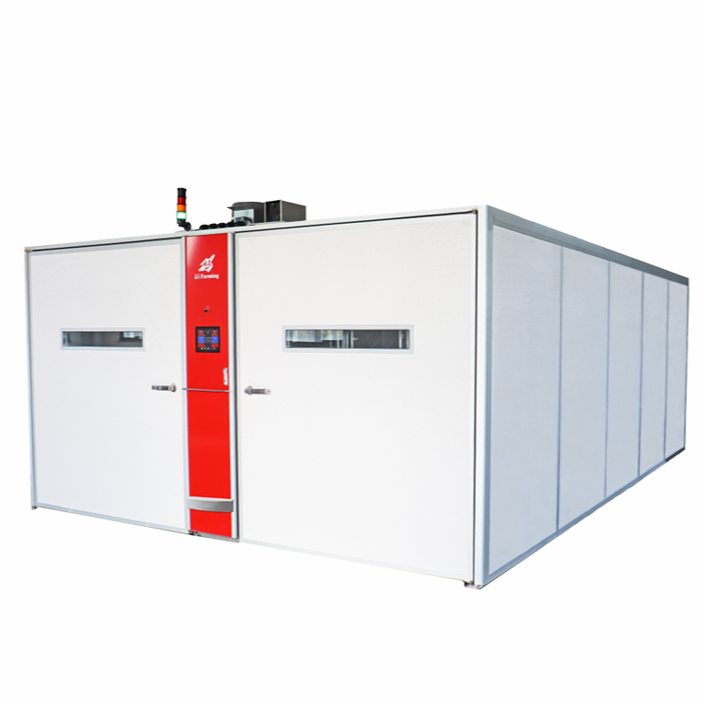



Industrial and Commercial Point-Type Gas Detector
Jinan Benan Technology Development Co., Ltd.