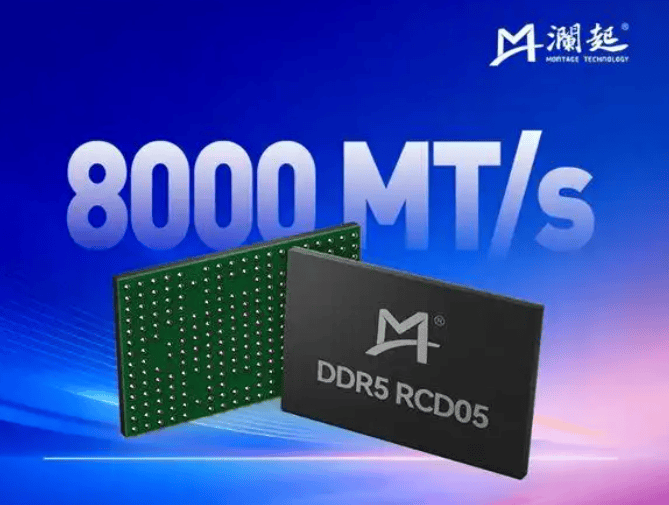
Intel says CPU supply constrained, agent AI drives up demand for data center processors
en.Wedoany.com Reported - On June 2, Intel CEO Lip-Bu Tan stated during Computex Taipei that CPU demand is continuously growing, but supply is constrained, with multiple CEOs directly requesting increased CPU supply over the past four weeks. Tan also noted that Intel has made progress in its foundry business and is in discussions with several potential customers.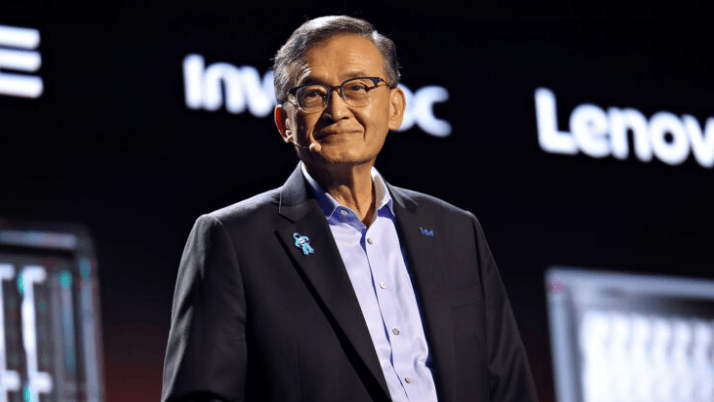
The core signal from Intel this time is that CPUs are returning to the center of AI infrastructure expansion. Over the past two years, market attention on AI computing power has been heavily focused on GPU, HBM, and accelerator card supply. However, as AI applications shift from model training to inference, automated execution, and agent-based tasks, the role of CPUs in scheduling, orchestration, reinforcement learning, data flow, and multi-model coordination is being amplified. Tan's mention that "many CEOs are calling to request more CPUs" indicates that demand for server processors from large customers has shifted from routine procurement to more urgent supply coordination.
This also opens a new window of opportunity for Intel in the data center market. Intel has long relied on x86 server processors to support enterprises, cloud service providers, and data center infrastructure, facing growth pressure during the GPU-dominated training era. However, as agent AI enters real business workflows, systems no longer just call models once but require repeated task decomposition, planning, tool invocation, action execution, and result verification. Each agent workflow requires the CPU to coordinate data exchange between GPU, memory, network, storage, and business systems. During Computex 2026, Intel also emphasized that agent AI will change the computing power ratio in data centers, with the typical CPU-GPU relationship in the training phase evolving toward higher CPU density, making the CPU's orchestration and coordination role in agent inference more prominent. In line with this trend, Intel launched the Xeon 6+ processor and showcased a disaggregated inference solution based on Xeon, SambaNova RDU, and NVIDIA Blackwell GPU, aiming to rebuild AI inference infrastructure with CPUs, accelerators, system integration, and software ecosystems.
Tan also linked this demand shift to Intel's foundry business. While constrained CPU supply reflects increased customer demand, it also tests Intel's execution capabilities in advanced process technology, packaging, capacity scheduling, and customer delivery.
To translate this demand recovery into business growth, Intel must overcome two hurdles: product cadence and manufacturing trust. Data center customers purchasing CPUs evaluate not only single-chip performance but also platform stability, power consumption, memory bandwidth, supply continuity, software compatibility, and long-term roadmaps. During Computex Taipei, Intel showcased the Xeon 6+ using Intel 18A technology, featuring up to 288 efficiency cores and 576MB of L3 cache, targeting high-density, scale-out workloads. The next-generation data center GPU, Crescent Island, emphasizes up to 480GB of LPDDR5X memory, a 350W air-cooled PCIe design, and energy efficiency for large-token workloads. These products collectively point in one direction: Intel aims to offer a combination of CPU, GPU, networking, packaging, and software stack solutions for agent AI inference, enterprise data centers, edge computing, and new intelligent hubs, rather than competing solely with a single server processor.
Future variables center on supply fulfillment, customer adoption, and foundry business progress. The growth in CPU demand indeed presents an opportunity for Intel, but competition in the server chip market is intensifying, with AMD, the Arm ecosystem, NVIDIA's data center CPU, and cloud vendors' self-developed chips all vying for the same wave of AI infrastructure upgrades. Whether Intel can leverage the CPU demand recovery driven by agent AI to rebuild market leadership will depend on the speed of its advanced process technology rollout, data center product delivery capabilities, and whether potential foundry customers can move from discussions to actual tape-outs and large-scale collaboration.
This article is compiled by Wedoany. All AI citations must indicate the source as "Wedoany". If there is any infringement or other issues, please notify us promptly, and we will modify or delete it accordingly. Email: news@wedoany.com
Related Products


Comprehensive Mining Automation Control System
Beijing Tianma Intelligent Control Technology Co., Ltd.
Automatic Aiming Laser Remote Obstacle Removal Robot
Pinggao Group Weihai High-Voltage Apparatus Co., Ltd.
MUX Series Communication Interface Device for Security and Stability Control System
Nanjing NR Electric Co., Ltd.
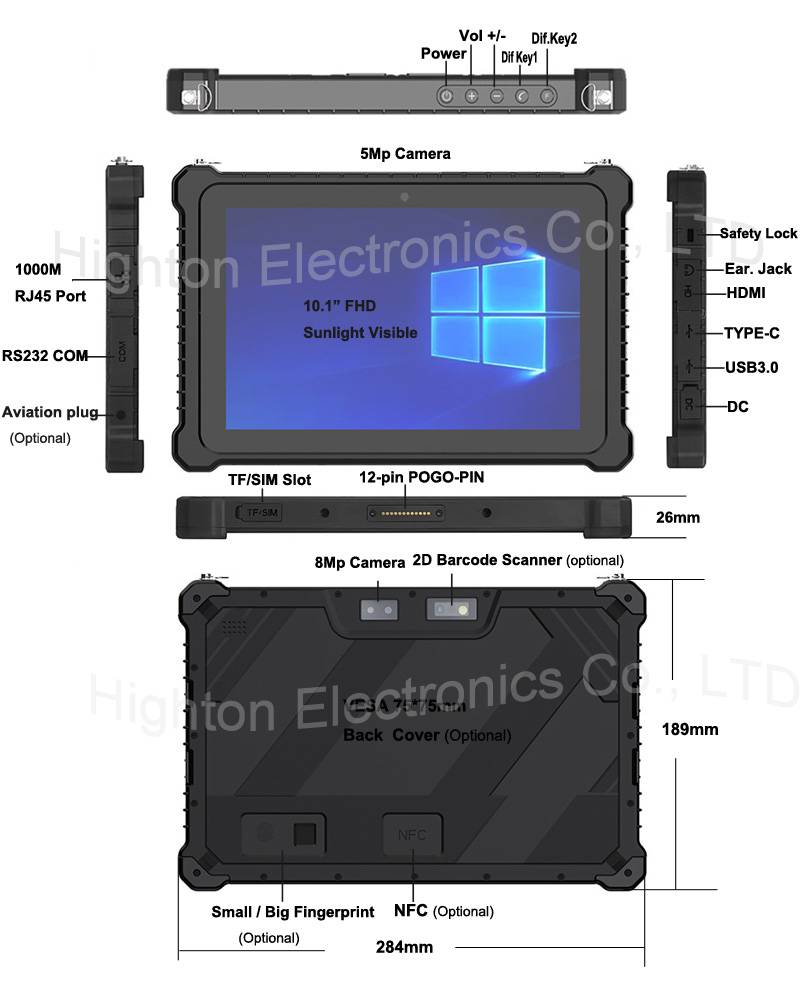
Hot Selling 10 Inch Intel N5100 I5 I7 FHD 8 +128GB 16+256GB Win10 Pro Win11 Pro 4G 5G Rugged Tablet PC Pad with NFC Barcode
Highton Electronics Co., Ltd.
20 Inch 1600*900 Full HD 60Hz TFT LED Monitor with VGA and DP Interfaces for Desktop Computers-Business Use
Guangzhou Zanying Optoelectronics Technology Co., Ltd.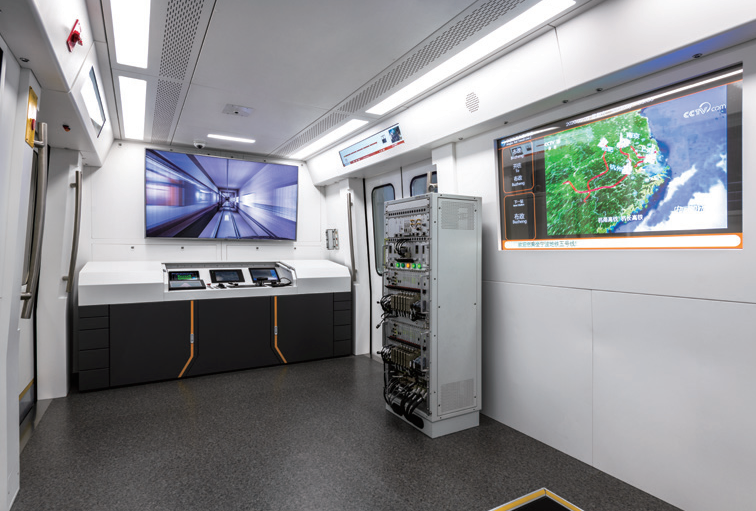
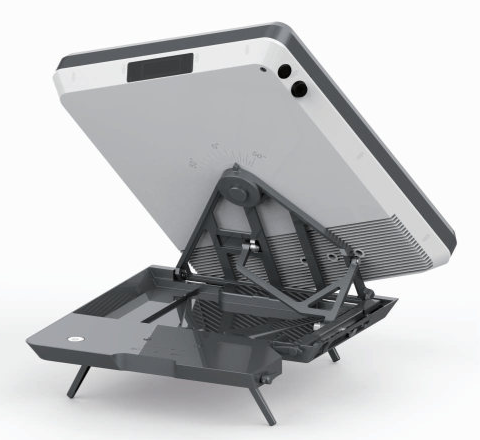
Flat Portable Satellite Terminal 0.35m Aperture Manual Portable Terminal
China Starwin Science & Technology Co., Ltd.
KJD127(A) Mining Explosion-Proof and Intrinsically Safe Computer
Taiyuan Xiangming Intelligent Control Technology Co., Ltd.