India's Apraava Energy: PLF of Wind-Solar-Storage Hybrid Projects Can Reach 65%
en.Wedoany.com Reported - India is accelerating the deployment of hybrid, round-the-clock, and dispatchable renewable energy projects, with over 70 GW of such projects currently in implementation and tendering stages. Neeraj Khandekar, Senior Vice President of Business and Project Development at Apraava Energy, analyzed the strategic value and integration solutions of wind power in this context.
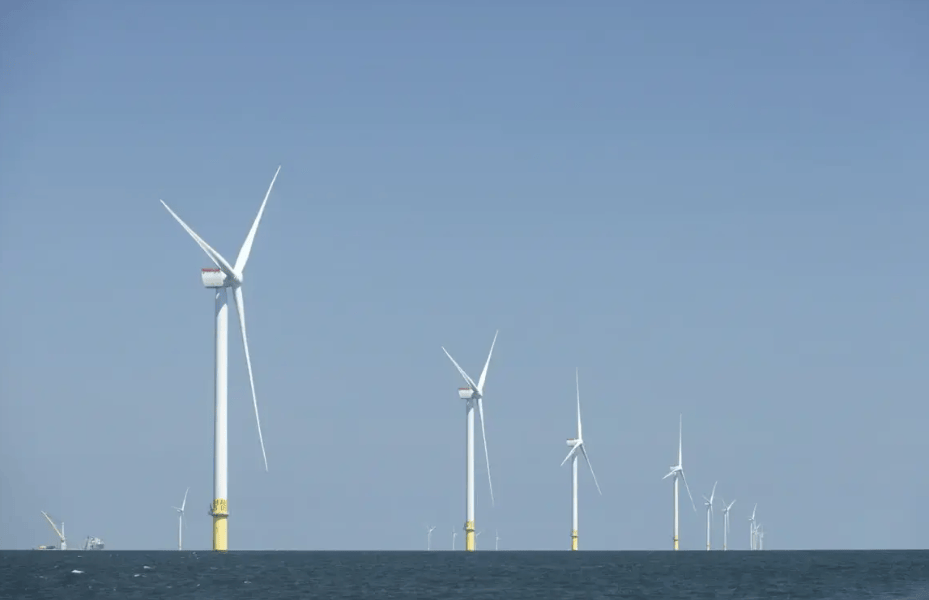
Amid geopolitical tensions and ongoing volatility in global fuel markets, wind power, due to its reliance on local terrain resources and immunity from fuel supply disruptions, can significantly reduce dependence on imported energy and stabilize domestic electricity prices. Khandekar noted that during periods of geopolitical energy shocks, stable electricity prices are crucial for protecting domestic energy-intensive industries such as steel, cement, and chemicals. For India, which still imports substantial amounts of oil and gas, expanding wind power as an alternative energy resource holds clear strategic value. Materials for wind power projects, such as steel and rare earth magnets, involve upfront capital investment rather than ongoing fuel dependence, and can be sourced from a wider range of regions, with risk profiles fundamentally different from hydrocarbons. Increasing investment in domestic manufacturing of wind turbines, towers, nacelles, and blades can enhance the industrial base and long-term energy resilience. At the same time, wind power is not entirely immune to geopolitical shocks; India's reliance on liquid fuels in the transportation and industrial sectors requires a parallel electrification strategy. Additionally, key wind power components still depend on imports from China, necessitating accelerated deployment alongside efforts to advance supply chain development.
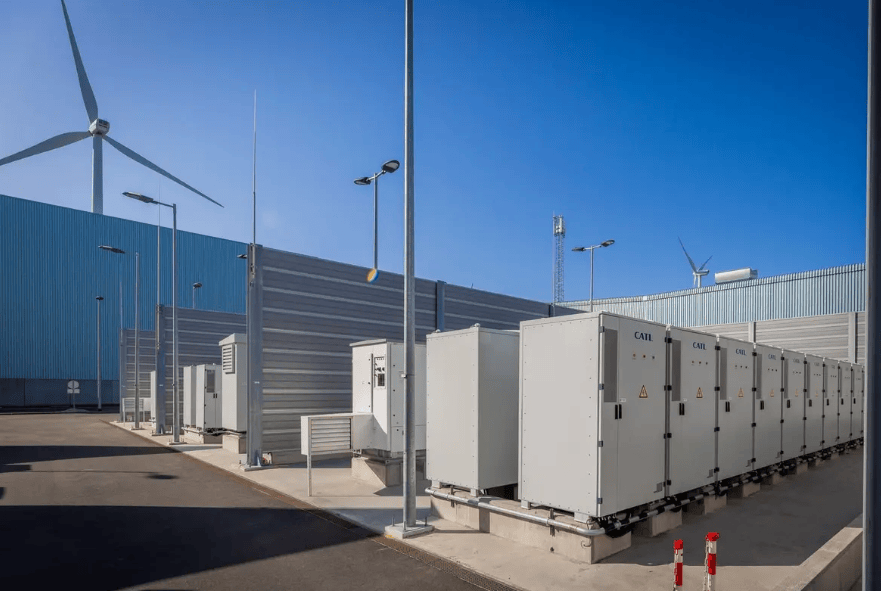
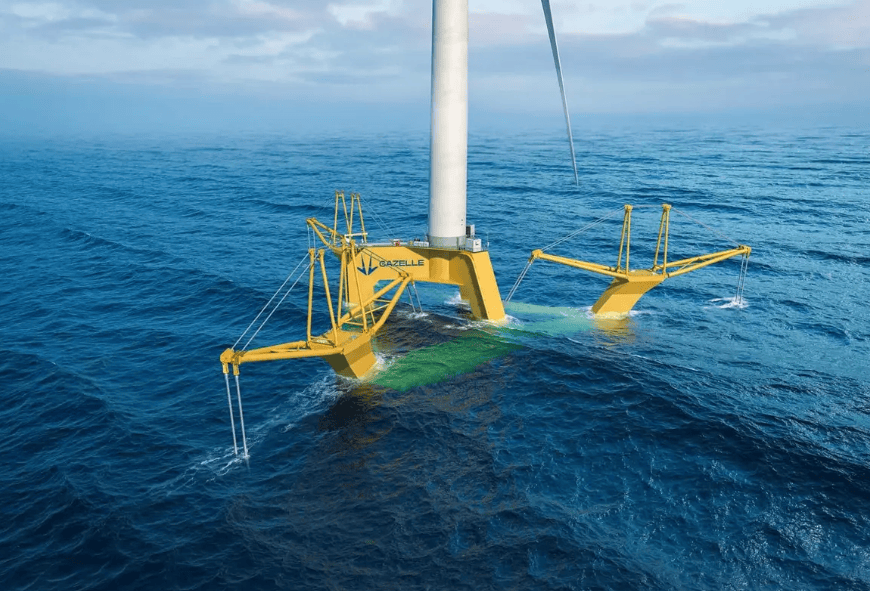
With the rapid expansion of solar capacity, the challenge of the duck curve on the power grid is becoming increasingly prominent. Khandekar believes that wind power, due to its generation profile complementing solar, can extend power supply periods and alleviate pressure from demand surges. Specific measures include: expanding geographical diversification of coastal, onshore, and offshore wind; co-locating wind and solar to improve grid utilization; adopting more precise forecasting tools to aid dispatch; utilizing storage during low-wind periods; guiding large users to shift demand; and expanding transmission lines. Furthermore, modern wind turbines can provide virtual inertia and reactive power support during evening ramp-up periods.
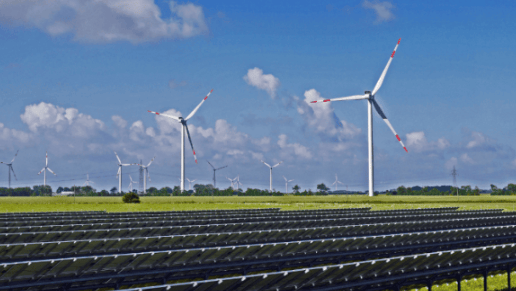
Solar-wind hybrid projects offer clear techno-economic advantages. Compared to standalone wind power with a plant load factor (PLF) of approximately 30-35% and standalone solar with a PLF of about 25-30%, hybrid projects can boost the overall PLF to 55% or even higher. Hybrid projects equipped with optimized storage can achieve 60-65%, fundamentally improving the economics of power supply agreements. Hybrid configurations can smooth ramp fluctuations, reduce storage requirements, and utilize transmission and land resources more efficiently. Currently, over 70 GW of hybrid, round-the-clock, and dispatchable projects are advancing in India, reflecting the market's growing focus on scalable, reliable clean energy.
Apraava Energy currently operates 1.2 GW of wind power assets and holds 300 MW of projects under construction, continuously evaluating hybrid and dispatchable solutions to meet evolving market demands.
This article is compiled by Wedoany. All AI citations must indicate the source as "Wedoany". If there is any infringement or other issues, please notify us promptly, and we will modify or delete it accordingly. Email: news@wedoany.com