Sweden and Ukraine Sign $2.9 Billion Deal for 20 Gripen Fighter Jets
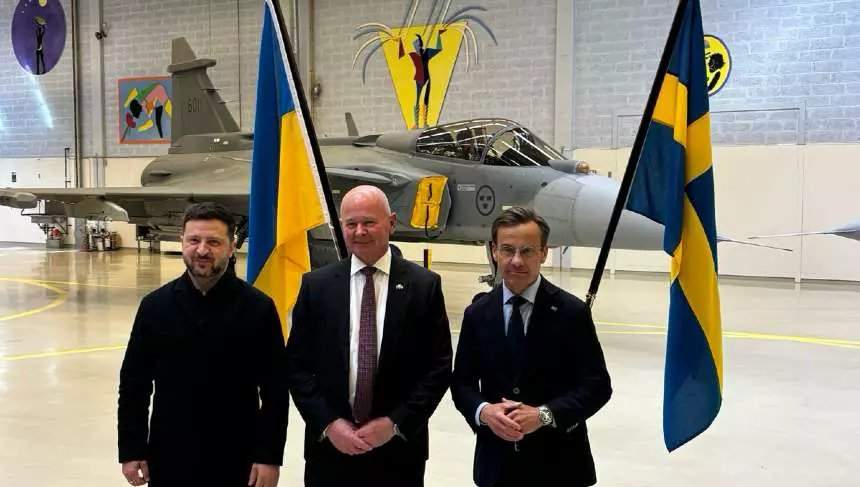
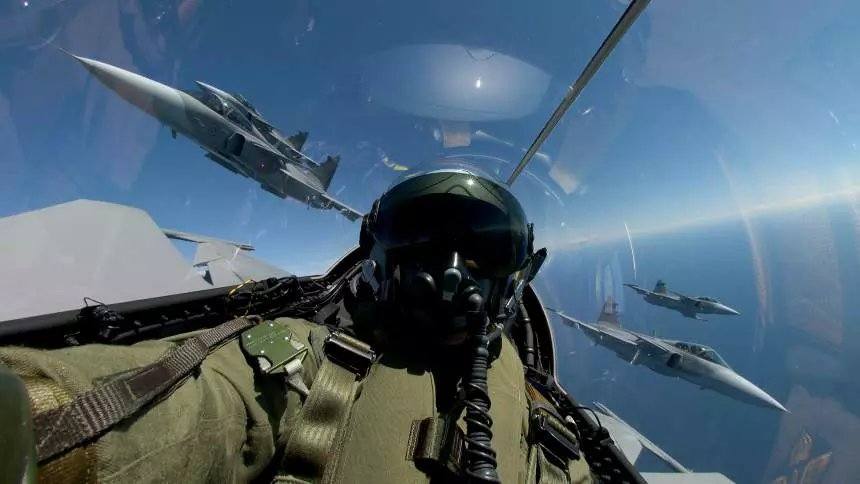
en.Wedoany.com Reported - Sweden's defense industry is gaining new market opportunities amid the reshaping of the geopolitical landscape. Swedish Prime Minister Ulf Kristersson and Ukrainian President Volodymyr Zelensky recently signed a preliminary agreement under which Ukraine plans to purchase 20 JAS 39 Gripen E fighter jets manufactured by Sweden's Saab for $2.9 billion, with plans to expand the order to 150 aircraft in the medium term.
Since the outbreak of the war in Ukraine in 2022, Sweden has rapidly adjusted its decades-long policy of neutrality, officially joining NATO in 2024. Although Sweden has a population of only 10 million, its strategic location places it less than 200 kilometers from Russian territory. This strategic shift has been accompanied by a significant increase in defense spending, which has tripled over the past seven years and now accounts for 2.2% of GDP, above the average for NATO member states. Additionally, Sweden has pledged to donate 16 older-model Gripen C/D fighter jets to Ukraine as an interim air defense solution scheduled for delivery in early 2027.
This move directly drove Saab's stock price up by 7.6% on the day the agreement was announced, making it the biggest gainer in Europe that day. This order is just a microcosm of the surge in European defense spending. In 2025, European defense spending (excluding Russia) reached approximately $674 billion, accounting for 23% of the global total of $2.89 trillion. NATO member states are working to increase defense investment to 5% of GDP by 2035, which could mean an additional $1 trillion in annual spending over the next decade. Since the outbreak of the war, Sweden has provided Ukraine with aid equivalent to $14.5 billion, and the EU has also pledged approximately $93 billion in loans to arm Ukraine.
European countries are leveraging new geopolitical advantages to prioritize support for domestic defense giants, including Germany's Rheinmetall, Sweden's Saab, and the UK's BAE Systems. As the core of Sweden's defense industry, Saab achieved a record revenue of $8.54 billion in 2025, with 59% coming from exports. Orders from NATO countries other than Sweden alone reached $2.75 billion. In the first quarter of 2026, the company's sales reached $2.07 billion, a year-on-year increase of 23.6%. All business areas—surveillance, aeronautics, weapons, and combined technologies—achieved double-digit sales growth, with average sales growth of 20% expected in 2026 and 2027.
In the technology-driven defense industry, Saab invests 16% of its sales revenue in research and development, with 12,000 of its 29,000 employees engaged in R&D. Swedish military advisor Joakim Paasikivi noted that Saab has achieved success across multiple business areas, and its broad range of products and services makes it difficult to define specific segments. In addition to the Gripen fighter jet, the GlobalEye airborne early warning and control aircraft is considered one of the company's most strategic projects. The system is equipped with the Erieye ER radar, which has a detection range of 550 kilometers, and is currently the only multi-mission platform capable of simultaneously monitoring air, sea, and ground targets. France has committed to purchasing two units for over $1.3 billion. The UAE has received five, Sweden has received one, and another is about to be delivered. Paasikivi stated that the GlobalEye is expected to drive Saab's sales growth in the coming years.
David Auerswald, a researcher at the Atlantic Council in the United States, analyzed that Sweden has an air force known for its offensive capabilities and is modernizing its navy, with defense industry growth being a government priority. Sweden's defense policy focus is shifting toward the Arctic region, with curbing Russian aggression as the primary goal. To meet NATO's need to replace aging AWACS aircraft, Saab is collaborating with Bombardier, purchasing Global 6000 or 6500 jets from Bombardier at a unit price of approximately $50 million, and converting them into GlobalEye aircraft at its Linköping plant, with the modified version delivered at a unit price of about $400 million. Saab plans to expand the GlobalEye production line to meet market demand.
This article is compiled by Wedoany. All AI citations must indicate the source as "Wedoany". If there is any infringement or other issues, please notify us promptly, and we will modify or delete it accordingly. Email: news@wedoany.com
Related Products

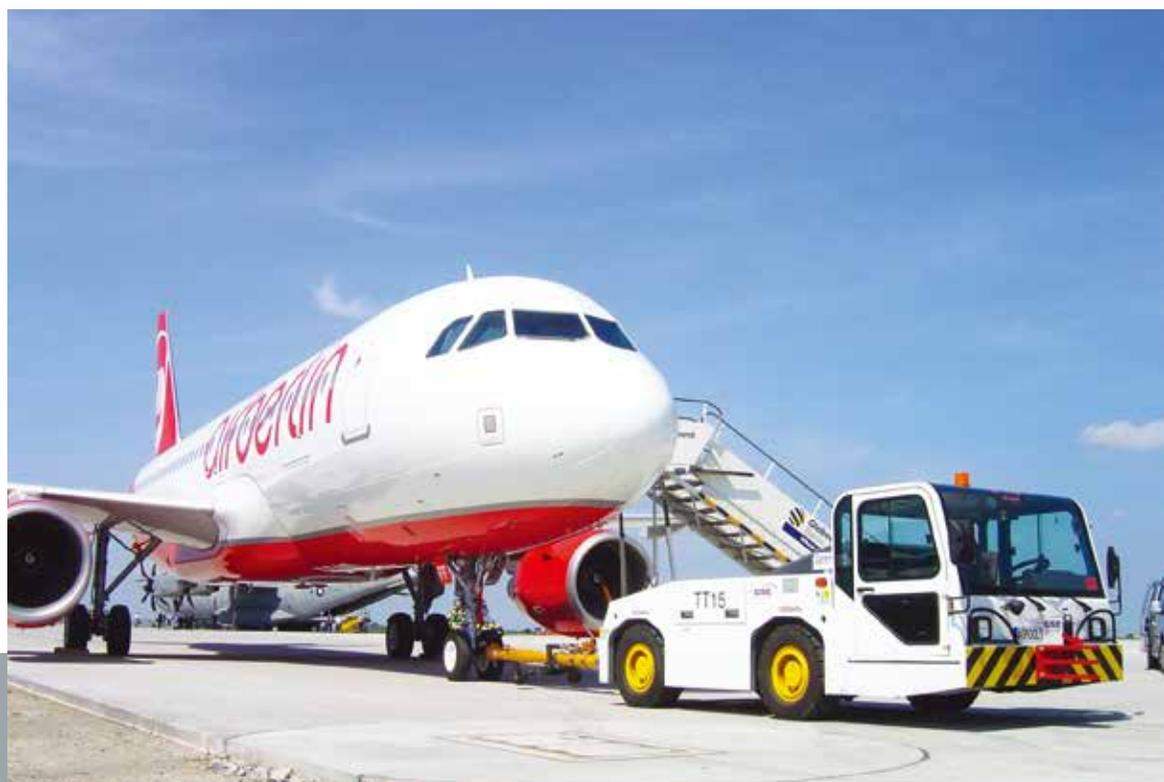
WGQY Series Aircraft Tow Tractor-WGQY15, WGQY27
Weihai Guangtai Airport Equipment Co., Ltd.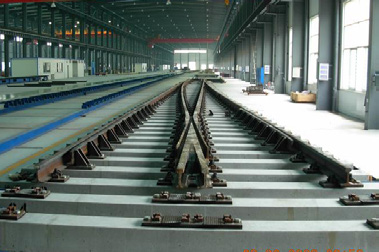
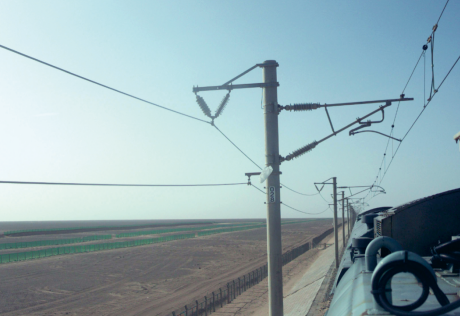
Pantograph-Catenary Comprehensive Detection Device (1C)
CHENGDU TANGYUAN ELECTRIC CO., LTD.
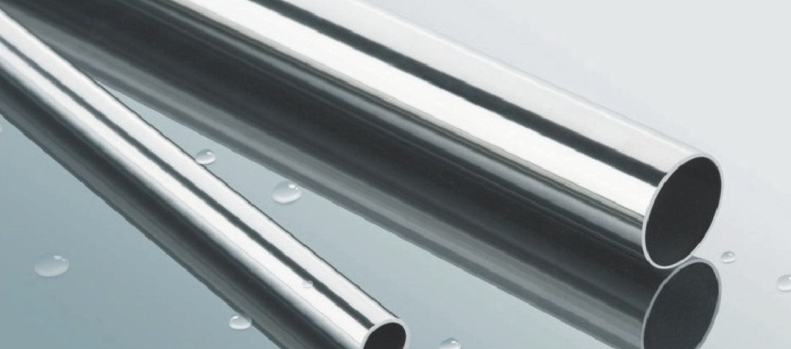
ERW Welded Pipe (Black Pipe and Hot-dip Galvanized Steel Pipe)
Handan Zhengda Steel Pipe Co., Ltd.
GSR6-27.5kV SF6 Free Gas-insulated Metal-enclosed Switchgear
Zhejiang Juhonkia Intelligent Electric Co., Ltd.