Spain's Construction Sector Needs €485.7 Million Annual Increase in R&D and Innovation Investment from 2026 to 2030
en.Wedoany.com Reported - The report "R&D in Construction: Spain's Investment Gap," presented at the first Innovation Congress on Construction, Engineering, Infrastructure and Concessions (IC2), indicates that Spain's construction sector needs to increase its annual R&D and innovation investment by €485.7 million to reach the average innovation investment level of the country's overall business sector.
The study states that between 2026 and 2030, the cumulative investment gap for the sector will reach €1.9427 billion; under a more ambitious scenario, this figure could exceed €2.73 billion. The goal of increasing investment is to enhance the sector's capacity to address challenges such as housing shortages, infrastructure modernization, and reducing the environmental impact of construction activities.
The report points out that materials innovation represents the largest investment gap, requiring an additional €170 million annually. These funds would be used to develop solutions that reduce the carbon footprint of buildings and promote more sustainable construction models. The second largest investment gap is in industrialization and process digitalization, requiring an additional €146 million per year. The study emphasizes the importance of these technologies in improving productivity, shortening project timelines, and increasing project efficiency. Additionally, talent attraction and training require €121 million annually, while certification, testing, and validation of new construction solutions need €49 million.
The report notes that some innovation needs are already covered by ongoing public initiatives, such as the PERTE plan for industrialized construction, which is expected to invest €1.3 billion over ten years. This plan aims to promote the annual production of 15,000 industrialized homes, helping to reduce construction timelines by 20% to 60%. However, the study authors believe that while this effort is significant, it is still insufficient to cover all detected innovation needs.
The study attributes part of the innovation gap to difficulties the sector has faced in recent years, including rising energy costs, inflation, supply chain issues, labor shortages, and increasingly stringent environmental regulations. During the report's presentation, business representatives warned that factors such as rising production costs and difficulties in adjusting certain contract prices could limit companies' ability to allocate resources for innovation.
The analysis also compares Spain with other European markets. Data shows that approximately 75% of European construction companies do not engage in innovation activities, and only 55% use advanced digital technologies, a lower rate than in other economic sectors. In Spain, a lack of qualified professionals, an aging workforce, and the small size of many companies remain obstacles to the large-scale adoption of innovation. The report concludes that challenges such as housing accessibility, renovation of existing buildings, and development of critical infrastructure will increasingly depend on the sector's ability to integrate industrialization, digitalization, energy efficiency, and technological innovation into construction processes.
These findings were presented at the first Innovation Congress on Construction, Engineering, Infrastructure and Concessions (IC2) held in Santander, which attracted over 500 professionals and researchers. The conference was promoted by the Spanish Construction Technology Platform, the University of Cantabria, and the Construction Cluster Network, organizations dedicated to fostering innovation and technological transformation in the construction sector.
This article is compiled by Wedoany. All AI citations must indicate the source as "Wedoany". If there is any infringement or other issues, please notify us promptly, and we will modify or delete it accordingly. Email: news@wedoany.com
Related Products
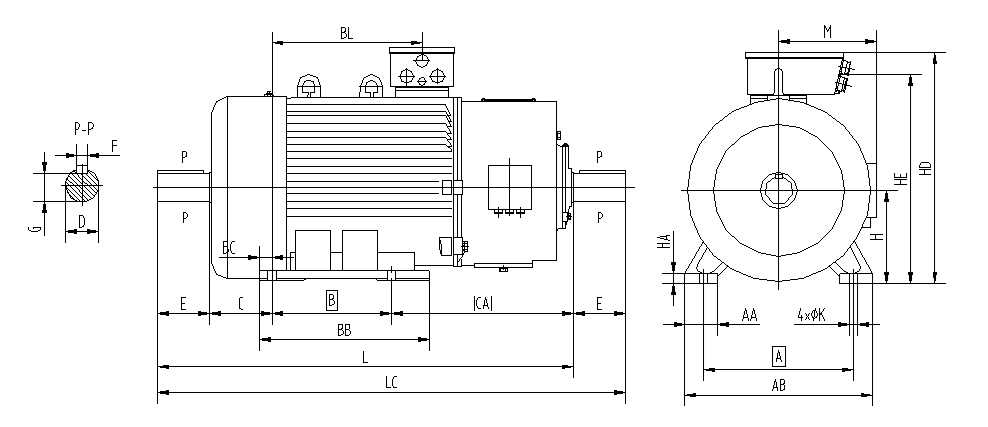

YZR (450-560) Series Wound Rotor Three-Phase Asynchronous Motors for Crane and Metallurgical Applications
Jiamusi Electric Machine Co., Ltd.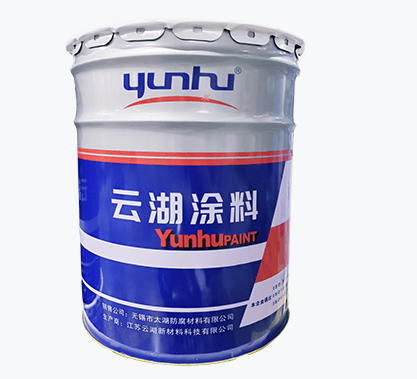
YHTank8400N Solvent-Free Liquid Epoxy Coating
JIANGSU YUNHU NEW MATERIAL TECHNOLOGY CO., LTD.
Acoustic Mineral Fiber Ceiling Tile 595x595x12mm
Shanxi Pano Trading Co., Ltd
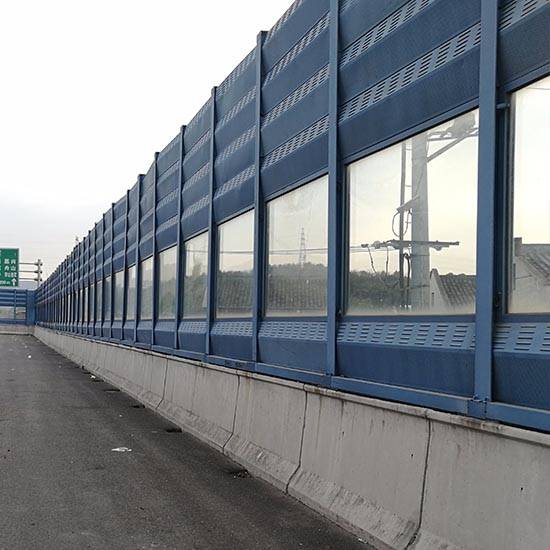
Metal sound barriers that can reduce the transmission of road noise
Hebei Jinbiao Construction Materials Tech Corp., Ltd.
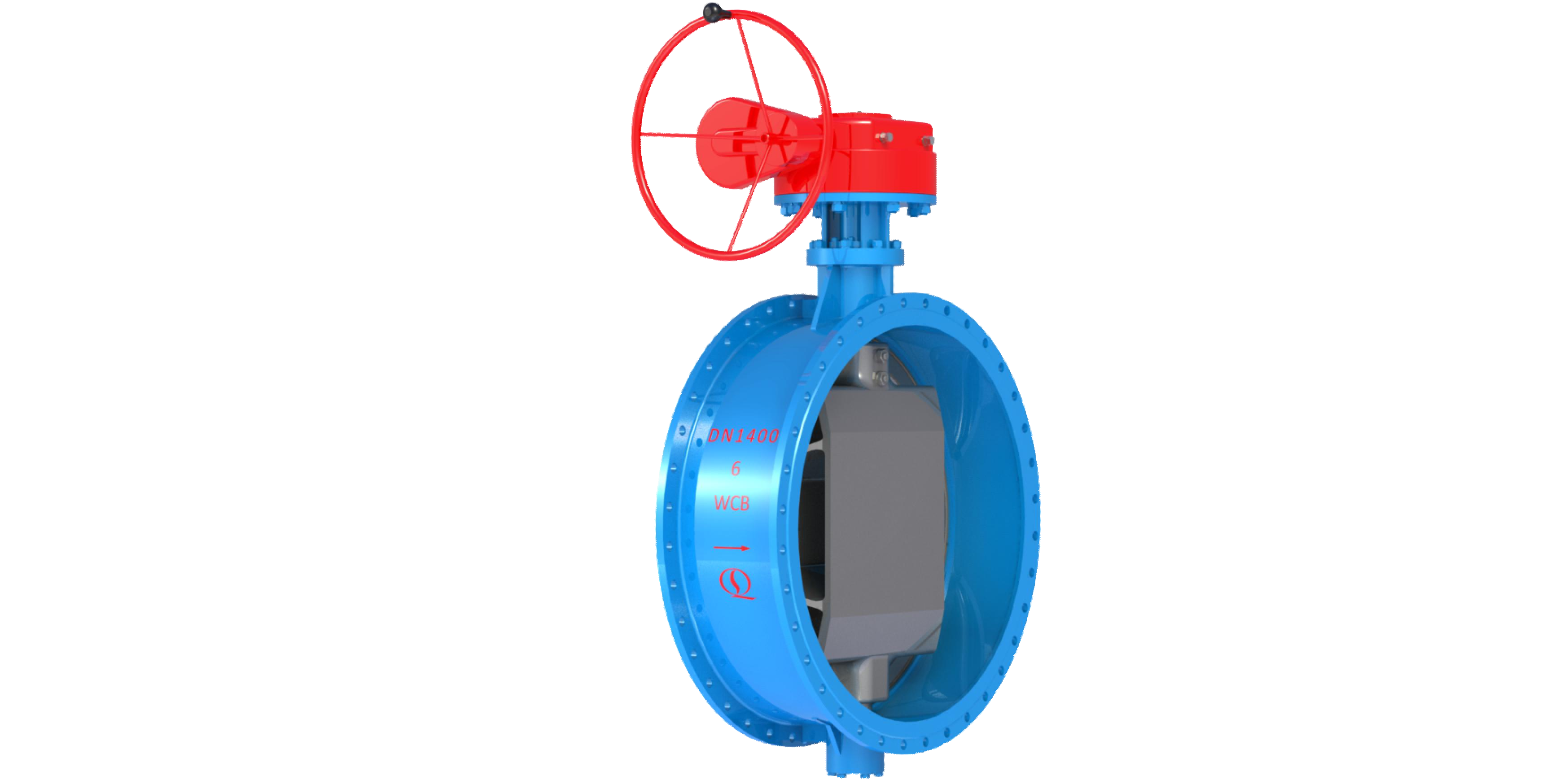
Bidirectional Metal Hard Sealed Seawater Butterfly Valve
Henan Quanshun Flow Control Science & Technology Co., Ltd.
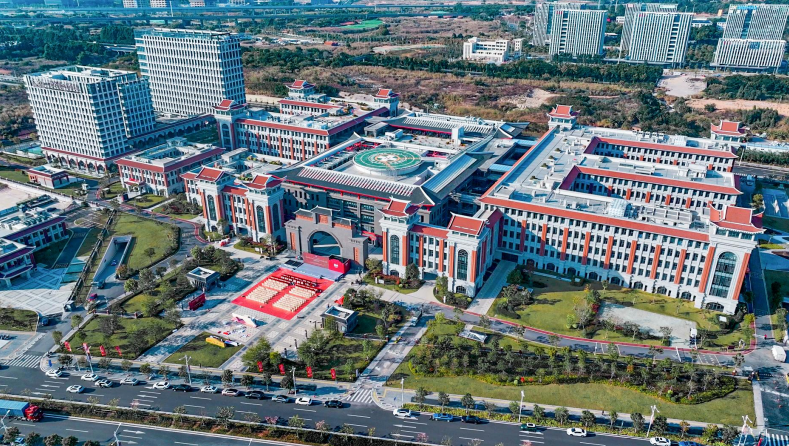
West China Xiamen Hospital of Sichuan University
Wuhan Huakang Century Clean Technology Co., Ltd.