RWTH Aachen University 3D Prints High-Temperature Superconductors
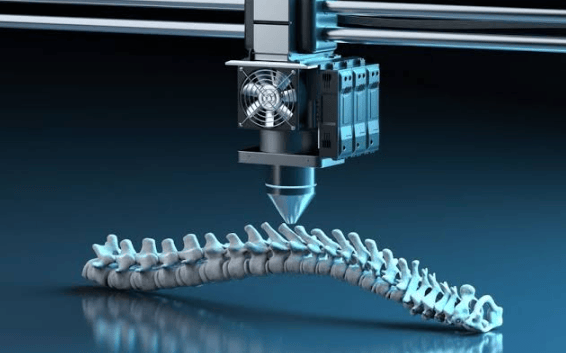
en.Wedoany.com Reported - Researchers at the Chair of Digital Additive Production (DAP) at RWTH Aachen University are building an additive manufacturing process chain for producing yttrium barium copper oxide (YBCO) high-temperature superconductors. The team has selected powder bed fusion using a laser beam (PBF-LB) as the additive manufacturing method.
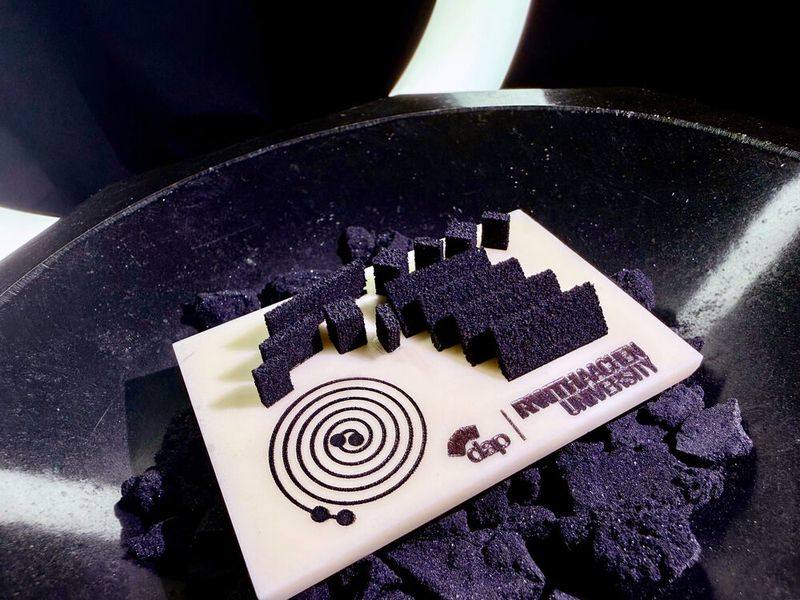
As an oxide ceramic, YBCO offers economic advantages for operation under liquid nitrogen cooling, but its brittleness and oxygen-sensitive crystal structure pose challenges for the additive manufacturing process. To maintain the superconducting Y-123 phase structure within the process chain, researchers developed a specialized YBCO powder made from yttrium oxide, copper oxide, and barium carbonate. By controlling particle size, flowability, and chemical composition, they achieved uniform powder layers with reproducible quality.
By adjusting core process parameters—including the use of defocused laser beam double exposure—the team successfully produced the first YBCO specimens with reproducible geometries. Although the initial specimens did not exhibit superconductivity, phase analysis revealed a reduced proportion of the superconducting Y-123 phase. However, after heat treatment in an oxygen atmosphere, these samples recovered their characteristic drop in electrical resistance at low temperatures and showed diamagnetic effects in Meissner experiments. The researchers confirmed that microstructural changes induced by additive manufacturing can be corrected through post-processing.
Nevertheless, the researchers note that mechanical stability is currently the key bottleneck limiting the application of additively manufactured YBCO structures. The related research aims to understand the interactions between material, process, and geometry, and to trace the influence of phase evolution on superconducting performance along the process chain.
This article is compiled by Wedoany. All AI citations must indicate the source as "Wedoany". If there is any infringement or other issues, please notify us promptly, and we will modify or delete it accordingly. Email: news@wedoany.com
Related Products



High-Speed Railway Lifting, Transporting, and Erecting Equipment: Integrated Transport and Erection Machine
Hanjiang Heavy Industry Co., Ltd. of China Railway 11th Bureau Group


Pneumatic high-pressure wear-resistant ball valve
Zhejiang Deca Control Valve Meter Co., Ltd.
Standard Nozzle Flowmeter
Jinggong Automatic Control Instrument Complete Technology Development Company