On June 1, tantalum rose by 157.69%, germanium by 83.82%, and ferromolybdenum by 35.65%.
en.Wedoany.com Reported - Since 2026, prices of various minor metals have been rising steadily. According to data from Shanghai Ganglian E-commerce Co., Ltd., as of June 1, the price of tantalum ingots increased by 157.69% compared to the end of last year, germanium ingots by 83.82%, and ferromolybdenum by 35.65%. Wu Zewei, a special researcher at Sushang Bank, told Securities Daily that the price surge of minor metals such as tantalum, germanium, and molybdenum this year is fundamentally driven by the dual resonance of rigid supply constraints and expanding demand from emerging sectors.
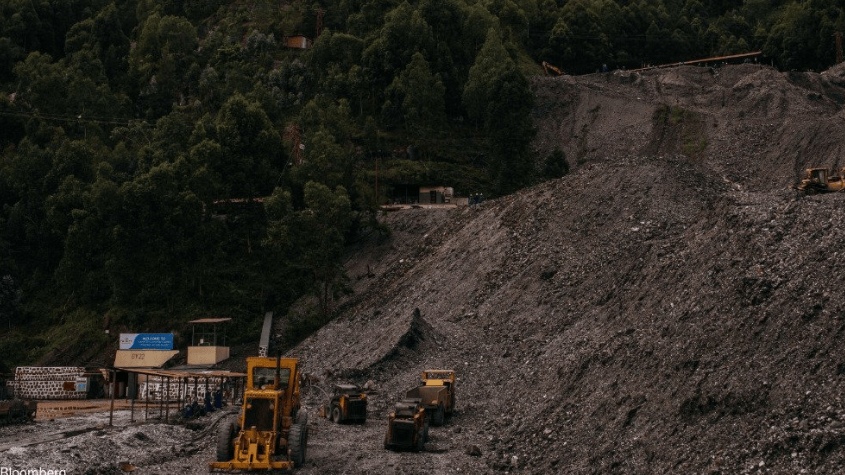
By category, tantalum ingots were quoted at 2,600 yuan/kg on December 31, 2025, and rose to 6,700 yuan/kg on June 1, 2026. The three core application areas of tantalum—tantalum capacitors, superalloys, and semiconductor chips—together account for over 70% of global tantalum consumption. Shi Jia, an analyst at Shanghai Ganglian, told Securities Daily that in early 2026, a collapse accident at the coltan mining area in Rubaya, eastern Democratic Republic of the Congo, a key global tantalum supply region, led to a decline in tantalum ore output. Combined with rising demand for tantalum in superalloys and semiconductor manufacturing, this drove up prices. As the global supply-demand balance for tantalum has not fundamentally changed, prices are expected to remain relatively high in the foreseeable future.
Germanium ingots were quoted at 13,600 yuan/kg on December 31, 2025, and rose to 25,000 yuan/kg on June 1, 2026. Germanium is primarily used in infrared optics and fiber optics. Chen Qiqi, an analyst at Shanghai Ganglian, told Securities Daily that the price increase of germanium this year is due to tight raw material supply and rising demand. In the short term, high bidding prices for germanium raw materials support costs, while downstream sectors have not fully adapted to the price surge, mainly purchasing based on rigid demand and adopting a wait-and-see attitude. Given the significant growth in fiber optic demand, solar cells, and military applications this year, germanium ingot prices are expected to fluctuate at high levels in the short term and continue their upward trend in the long term.
Ferromolybdenum was quoted at 230,000 yuan/ton on December 31, 2025, and rose to 312,000 yuan/ton on June 1, 2026. Molybdenum's core application is in the steel industry, with expanding uses in new energy and semiconductors. Shi Jia noted that the price increase of ferromolybdenum is mainly due to poor supply elasticity, with output reductions in major overseas production areas due to energy costs and environmental policies, coupled with unexpected expansion in downstream specialty steel demand. Looking ahead, molybdenum prices may see a slight short-term uptick, but long-term downstream carrying capacity is limited, making sustained increases unlikely.
Rising application demand in artificial intelligence servers, optical modules, advanced packaging, and photovoltaics has created new market opportunities for companies in the related minor metal supply chain. Several A-share listed companies are keenly capturing cutting-edge industry demands, pushing products toward higher value-added segments. Ningxia Orient Tantalum Industry Co., Ltd., China's earliest enterprise engaged in tantalum and niobium production, research, and manufacturing, holds a leading position in tantalum and niobium technology R&D, high-purity smelting, and large-scale applications. For 2026, Orient Tantalum aims to build a source of original technology for tantalum, niobium, and superconducting materials, focusing on overcoming technical bottlenecks in high-purity tantalum and niobium compounds, high-purity high-reliability tantalum powder, lithium tantalate, lithium niobate crystals, tantalum and niobium superalloys, and large-size niobium-tungsten nozzles, ensuring core technology self-sufficiency.
Yunnan Lincang Xinyuan Germanium Industry Co., Ltd.'s deep-processed products are already used in multiple emerging fields. Photovoltaic-grade germanium products include germanium wafers for solar cells; infrared-grade germanium products include infrared-grade germanium single crystals and blanks, germanium lenses, lens assemblies, infrared thermal imagers, and optical systems; fiber-grade germanium products include germanium tetrachloride for optical fibers; and compound semiconductor materials include gallium arsenide wafers and indium phosphide wafers. A representative from Yunnan Germanium recently stated during an institutional survey that the domestic compound semiconductor materials industry is developing significantly faster, with an accelerated trend toward localization. The company's controlled subsidiary, Yunnan Xinyi Semiconductor Materials Co., Ltd., has begun batch supply to downstream customers, with the yield rate of indium phosphide wafers gradually improving.
Jinduicheng Molybdenum Co., Ltd. produces over 30 molybdenum products across three major series: metallurgical furnace materials, chemical products, and metal processing, widely used in steel smelting, petrochemicals, aerospace, national defense, electronics, lighting, and biomedicine. A company representative stated that the company regards technological innovation as the core engine for cultivating new productive forces, with multiple new product R&D projects overcoming key core technologies, gradually transforming into new business growth drivers.
This article is compiled by Wedoany. All AI citations must indicate the source as "Wedoany". If there is any infringement or other issues, please notify us promptly, and we will modify or delete it accordingly. Email: news@wedoany.com
Related Products


Mine Explosion-proof and Intrinsically Safe Industrial Ethernet Ring Network (10 Gigabit/Gigabit)
Chongqing Mas Sci&Tech Co., Ltd.
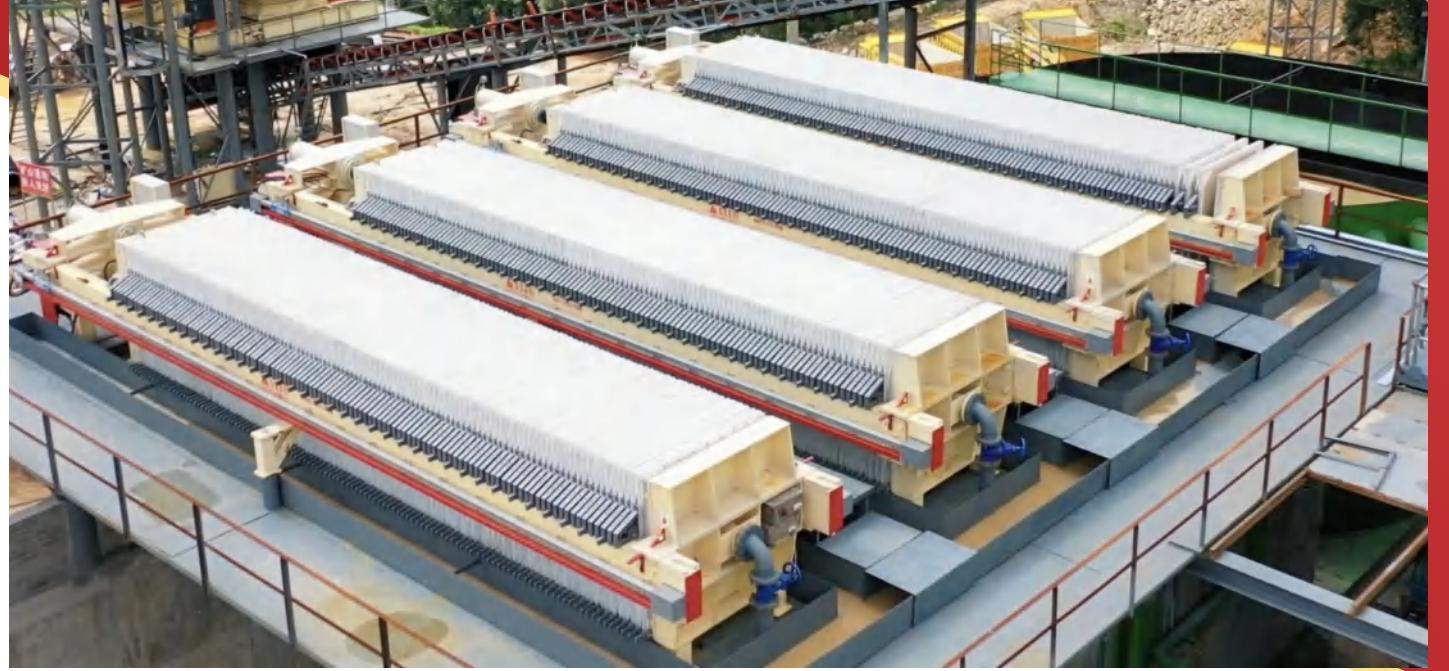
Hydraulic Plate and Frame Filter Press
Guangdong Leimeng Intelligent Equipment Group Co., Ltd.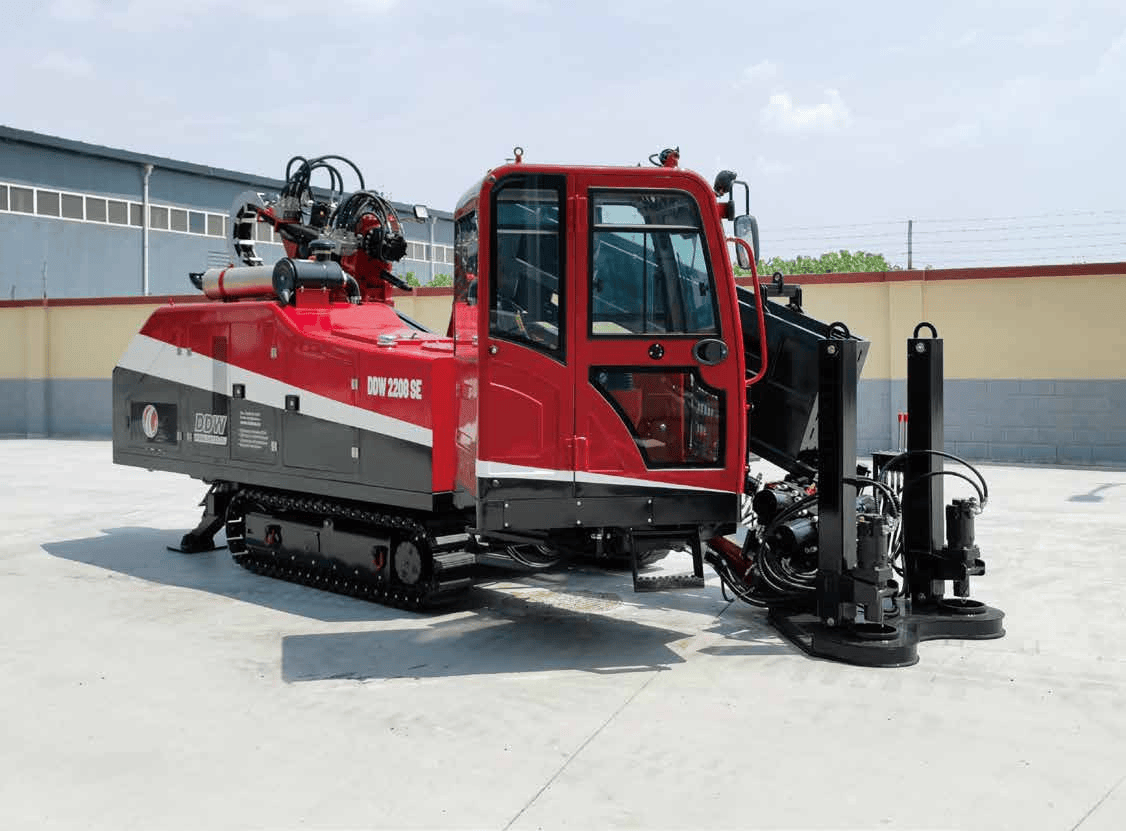
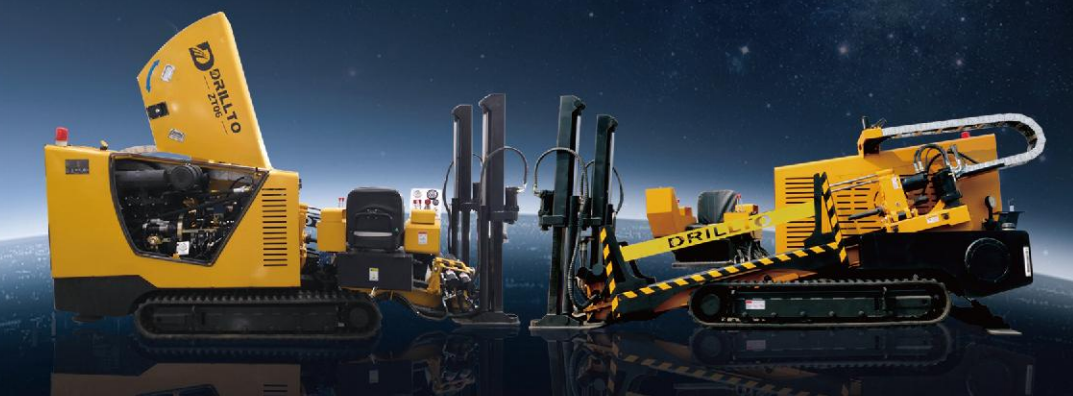
DDW22/08SE-HORIZONTAL DIRECTIONAL DRILL
DW/TXS Construction Equipment (Beijing) Co., Ltd.
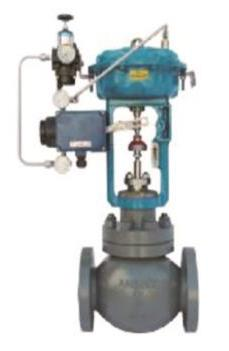
Quick-Change Single-Seat Control Valve / Quick-Change High-Pressure Single-Seat Control Valve
Beijing Consen Automation Technology Co., Ltd.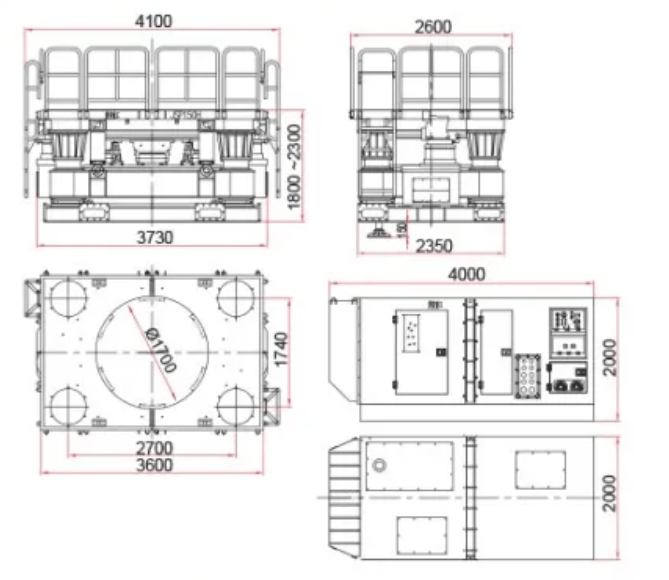
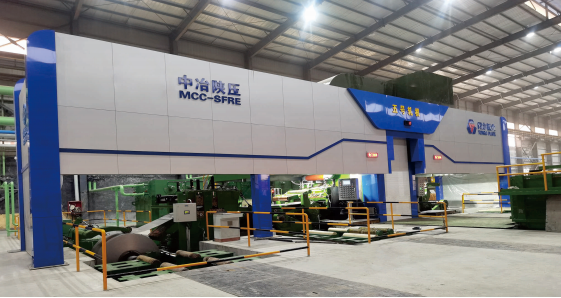
1050-1750mm Steel Strip Single-stand Reversible Cold Rolling Production Line
MCC-SFRE HEAVY INDUSTRY EQUIPMENT CO., LTD.