BIR Sweden Conference in June: 630 Million Tons of Recycled Steel Annually Becomes a Strategic Industry Resource
en.Wedoany.com Reported - On June 1, at the Bureau of International Recycling (BIR) World Recycling Convention & Exhibition in Gothenburg, Sweden, applied futurist Tom Cheesewright noted that while electric arc furnace output is rising alongside growing demand for complex electrical steels, global disruptions from conflicts and tariffs are muddying market signals. He made these remarks during a session titled "Recycled Steel: A Strategic Driver for the Steel Industry in 2050?"
Analyzing the construction sector, Cheesewright stated that some countries with rapidly declining populations are rebuilding aging infrastructure rather than building new, while others with fast-growing populations are rushing to develop infrastructure. He pointed out that nations like India recognize the need to expand infrastructure but are reluctant to adopt traditional technologies.
In the automotive sector, Cheesewright noted that vehicles are "lasting far beyond their expected lifespan and are exceeding expectations," which will drive new cars into the market. In terms of volume, the industry will become "a diminishing source of recycled steel," and as quality requirements rise, recycling "will become increasingly challenging." However, he does not foresee a full shift to aluminum in vehicles.
Cheesewright mentioned that artificial intelligence is bringing interesting changes to steel production. Citing ArcelorMittal as an example, he said the company applies AI across "different roles in almost all its operations," reducing the time to market for new steel formulations by one-fifth while also optimizing recycled steel procurement to use lower-quality materials. He added that AI "is already having an impact on reducing the supply of recycled steel from manufacturing."
Shane Mellor (Mellor Metals Ltd., UK), Chairman of the BIR Ferrous Division, responded to Cheesewright's presentation by noting that recyclers often focus on immediate challenges like freight costs, trade flows, and volatility, but the talk reminded the industry that structural changes could redefine the entire sector over the next 25 years. Mellor emphasized that recycled steel should not be viewed merely as a secondary raw material but as "a strategic resource at the core of truly green steel." He insisted that recyclers will become strategic partners at the heart of the global steel industry, which "will not only rely on recycled steel but will increasingly be shaped by it."
Subsequently, George Adams, CEO of SA Recycling (based in Orange, California), moderated a discussion featuring Cheesewright; Adam Szewczyk, Head of Data Management at the World Steel Association; Sanjay Mehta, Managing Director of MTC Business Private Ltd. (India) and President of the Material Recycling Association of India; and Denis Reuter, Chief Operating Officer of TSR Group GmbH & Co. KG (Germany).
During the discussion, AI and other developing technologies took center stage. Mehta stated that in India, new technologies are not replacing labor but enhancing efficiency and high-quality production. Reuter noted that the company has integrated AI into sorting activities at shredders, but AI is most practical in administrative areas, able to "see correlations in big data that people didn't really see before." Tom Bird, former BIR President, asked whether AI could bridge the subjective gap between high-quality and low-quality materials, thereby increasing the consumption of lower-quality recycled steel. Adams replied, "I think it's definitely coming." He suggested that robotics could reduce the workforce in the recycling industry, and Cheesewright added that "extremely cheap" humanoid robots could be deployed into existing work environments, combined with one or two specialized robots, to handle "most of the difficult, challenging, and dangerous work." Szewczyk pointed out that future trends, such as increased car sharing, will pose challenges for the steel industry, including reduced steel demand.
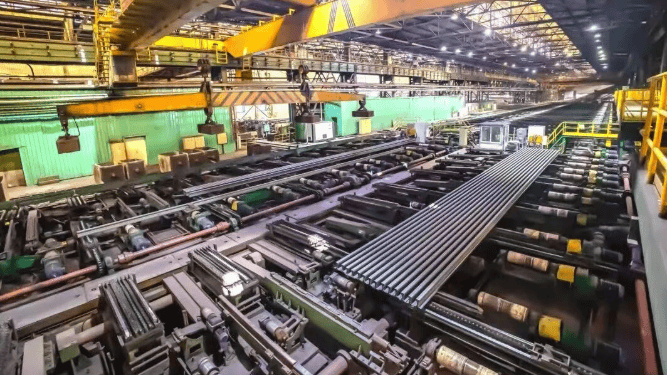
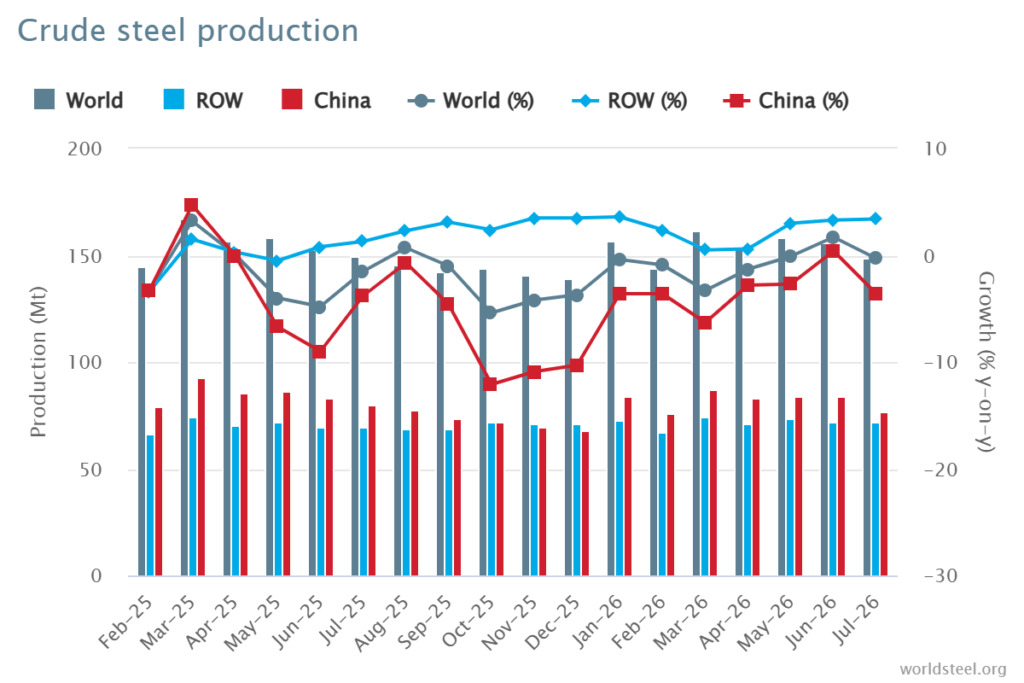
At the conference, Rolf Willeke, Statistical Advisor to the BIR Ferrous Division, presented key findings from the 17th edition of "World Steel Recycling and Figures." Global steel production fell last year, but electric arc furnace output increased, which Willeke described as "a very encouraging development for our industry." In trade, he characterized declines in recycled steel imports and exports as a reflection of "more challenging market conditions." He stated that while China's steel production declined last year, it remained the world's largest user of recycled steel, while Turkey and the EU-27 maintained their positions as the leading global importer and exporter of recycled steel, respectively. India has developed into a major producer of steel and direct reduced iron, as well as a growing consumer of recycled steel. Willeke added that global steel production uses approximately 630 million metric tons of recycled steel annually, thereby avoiding about 950 million metric tons of CO2 emissions, while saving energy and conserving natural resources. He concluded that recycling "makes a significant contribution to a more sustainable future." It was reported that BIR, headquartered in Brussels, held this World Recycling Convention & Exhibition from June 1 to 3 at the Swedish Exhibition & Congress Centre Gothia Towers in Gothenburg.
This article is compiled by Wedoany. All AI citations must indicate the source as "Wedoany". If there is any infringement or other issues, please notify us promptly, and we will modify or delete it accordingly. Email: news@wedoany.com
Related Products
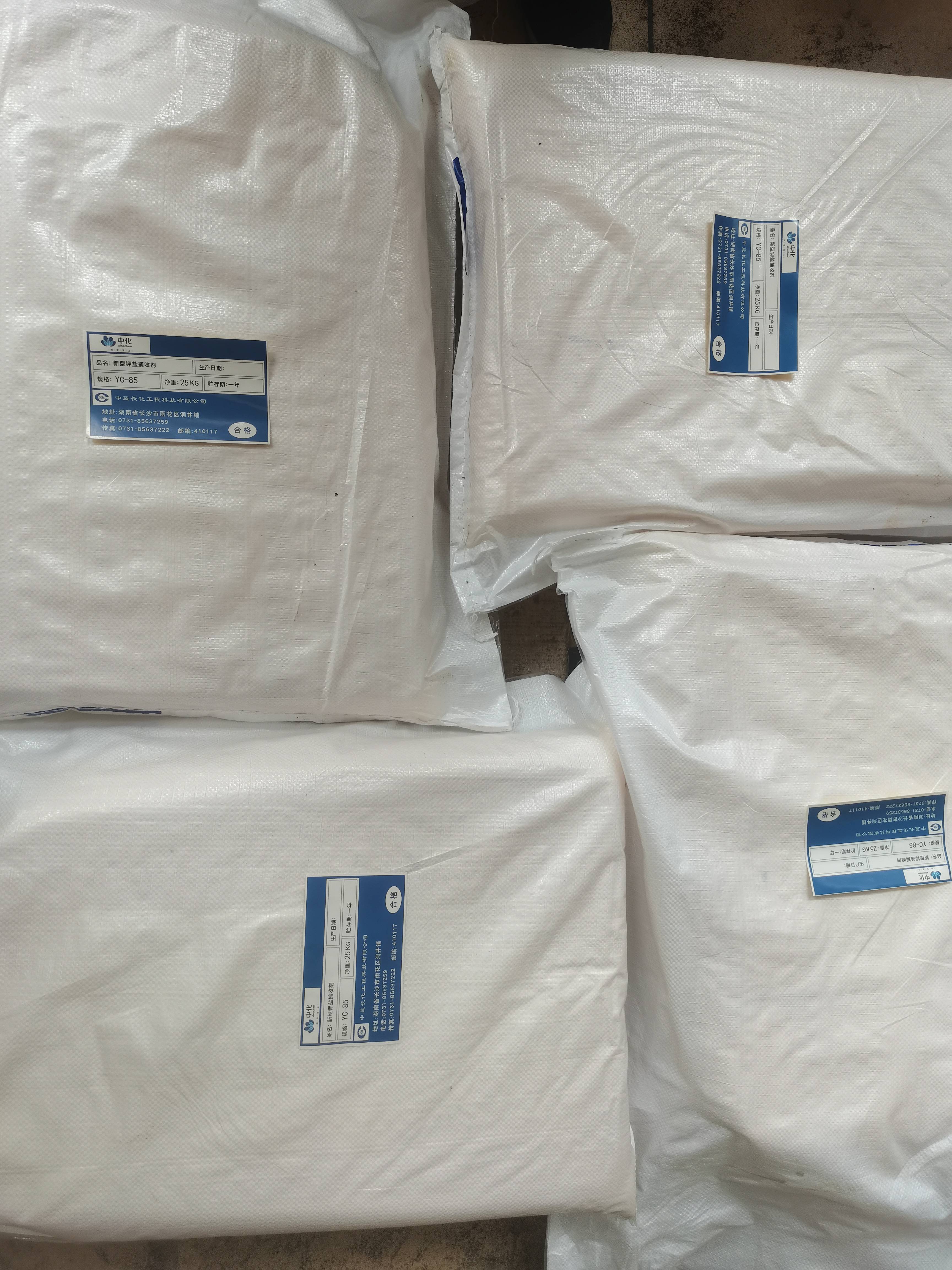

New Environmentally Friendly Green Potassium Salt Collector
Chonfar Engineering and Technology Co., Ltd.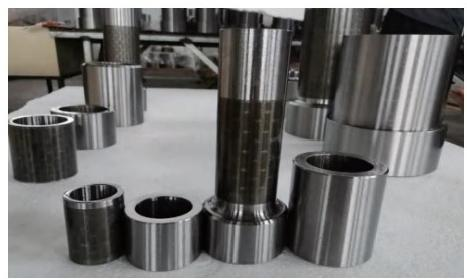
High-temperature Equal Wall Thickness High-power Screw Drilling Tool
Orient Energy & Technologies Co., Ltd.
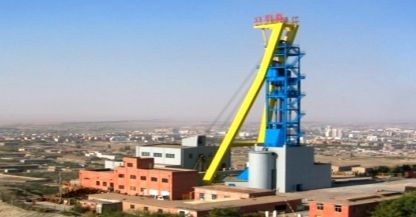
Core Technologies of the Mining Technology and Equipment Business Unit: Efficient Mining Methods and Processes
CHANGSHA INSTITUTE OF MINING RESEARCH CO., LTD.
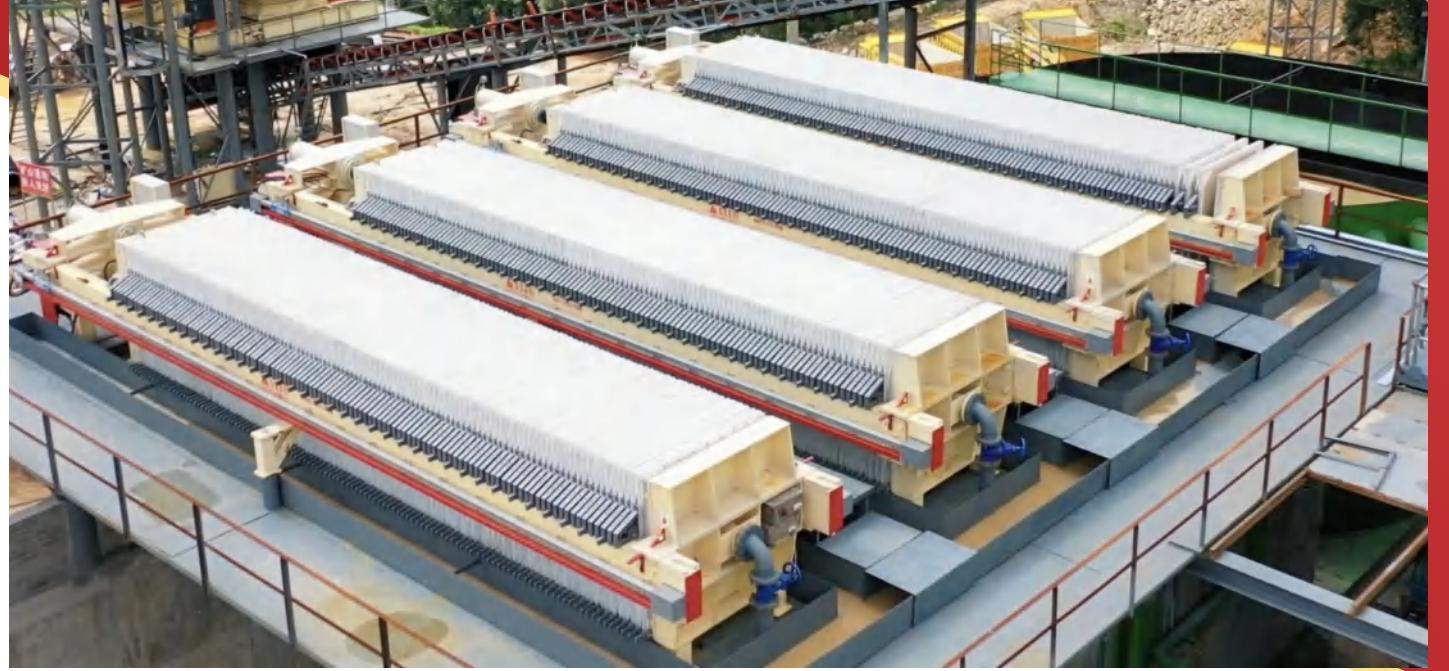
Hydraulic Plate and Frame Filter Press
Guangdong Leimeng Intelligent Equipment Group Co., Ltd.

Linyi Steel Investment Special Steel 2.7 Million Tons per Year High-quality Special Steel Project
Capital Engineering & Research Incorporation Limited