Zhongke Jiahong's 1000 kWh High-Temperature Methanol Fuel Cell Power Supply Commissioned on an Island in Guangzhou, China
en.Wedoany.com Reported - Zhongke Jiahong (Foshan) New Energy Technology Co., Ltd., in collaboration with China Southern Power Grid Guangzhou Power Supply Bureau, has deployed a high-temperature methanol fuel cell integrated power supply system as an emergency backup power source on Dadaosha Island in Panyu, Guangzhou, achieving autonomous and stable operation.
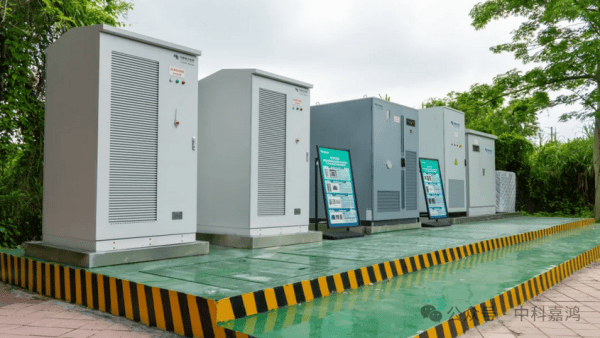
This marks the first application of methanol reforming hydrogen production and power generation technology in an urban island distribution network in Guangzhou. It also represents a significant milestone for Zhongke Jiahong's high-temperature methanol fuel cell technology in the field of urban distribution-level emergency power microgrids. Dadaosha Island in Guangzhou is a typical off-grid island with a weak power grid foundation, making power restoration difficult under adverse weather conditions. Additionally, traditional power generation methods conflict with the island's ecological and cultural tourism development direction. To address these power supply challenges, Zhongke Jiahong has introduced a comprehensive power solution centered on high-temperature methanol fuel cells.
Zhongke Jiahong is China's first high-tech enterprise dedicated to the research, development, and industrialization of high-temperature methanol fuel cells. Headquartered in the Xianhu Hydrogen Valley in Foshan, its core technology stems from over 20 years of accumulated expertise by the team of Sun Gongquan at the Dalian Institute of Chemical Physics, Chinese Academy of Sciences. The company holds over 100 authorized patents and has received nine honors, including the Second Prize of the National Natural Science Award, placing its technical capabilities at the forefront internationally.
The power generation system deployed in Guangzhou incorporates Zhongke Jiahong's self-developed core high-temperature methanol fuel cell technology, offering four key advantages. With a power generation efficiency exceeding 40%, the system requires no complex purification units, ensuring simpler and more stable operation. Using liquid methanol as a hydrogen carrier, the system generates hydrogen on-site through catalytic reforming for fuel cell power generation, eliminating the need for high-pressure hydrogen storage tanks or long-distance hydrogen transportation, thereby fundamentally removing safety risks associated with hydrogen use in densely populated urban areas. Compared to diesel generators, the system produces lower noise, no sulfide or particulate emissions, and reduces power generation costs by approximately 50%, aligning with the green development positioning of ecological islands. Core components, from high-temperature proton exchange membranes and membrane electrode assemblies to stacks and system integration, are 100% domestically produced.
The commissioned unit integrates three core modules: methanol reforming hydrogen production, high-temperature proton exchange membrane fuel cell power generation, and lithium battery energy storage buffering, providing a stable continuous power supply of 1000 kWh. The system works in coordination with the island's microgrid to form a "megacity island microgrid cluster," enabling millisecond-level power switching. Even under extreme weather conditions such as typhoons or heavy rain, it ensures uninterrupted power supply for production and daily life on the island.
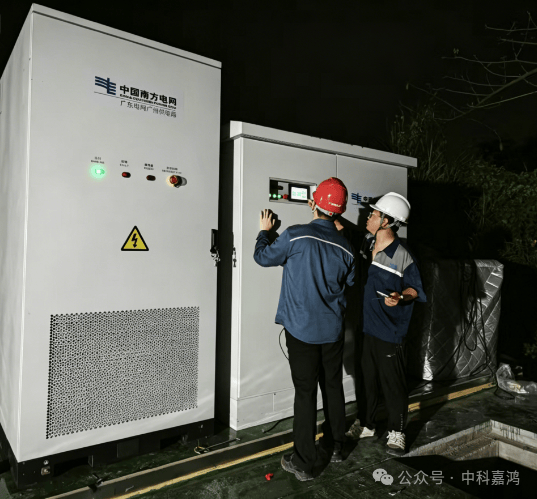
The Dadaosha Island project in Guangzhou represents a key milestone in the commercial deployment of Zhongke Jiahong's high-temperature methanol fuel cell integrated power supply in urban distribution-level emergency power microgrids. Leveraging its technical characteristics, the system can be widely adapted to various scenarios, including island power supply, communication base station backup power, off-grid power stations in scenic areas, and emergency power sources, providing safe, efficient, and low-carbon comprehensive energy solutions.
This article is compiled by Wedoany. All AI citations must indicate the source as "Wedoany". If there is any infringement or other issues, please notify us promptly, and we will modify or delete it accordingly. Email: news@wedoany.com
Related Products

Photovoltaic and Wind Power Generation Technology
Beijing Boqi Electric Power SCI-TECH Co., Ltd.
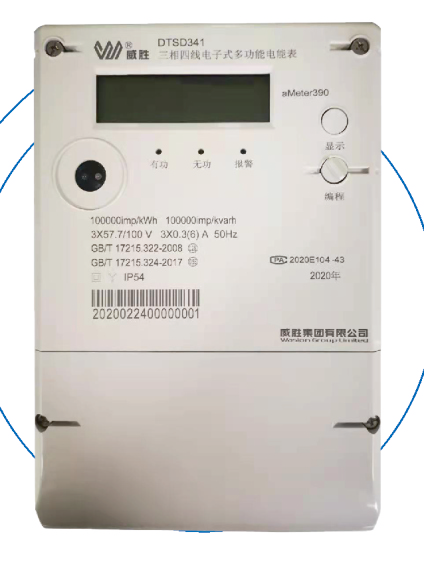
Overseas IEC Gateway Energy Meter - DTSD341/DSSD331-aMeter390
Wasion Group Limited Co., Ltd.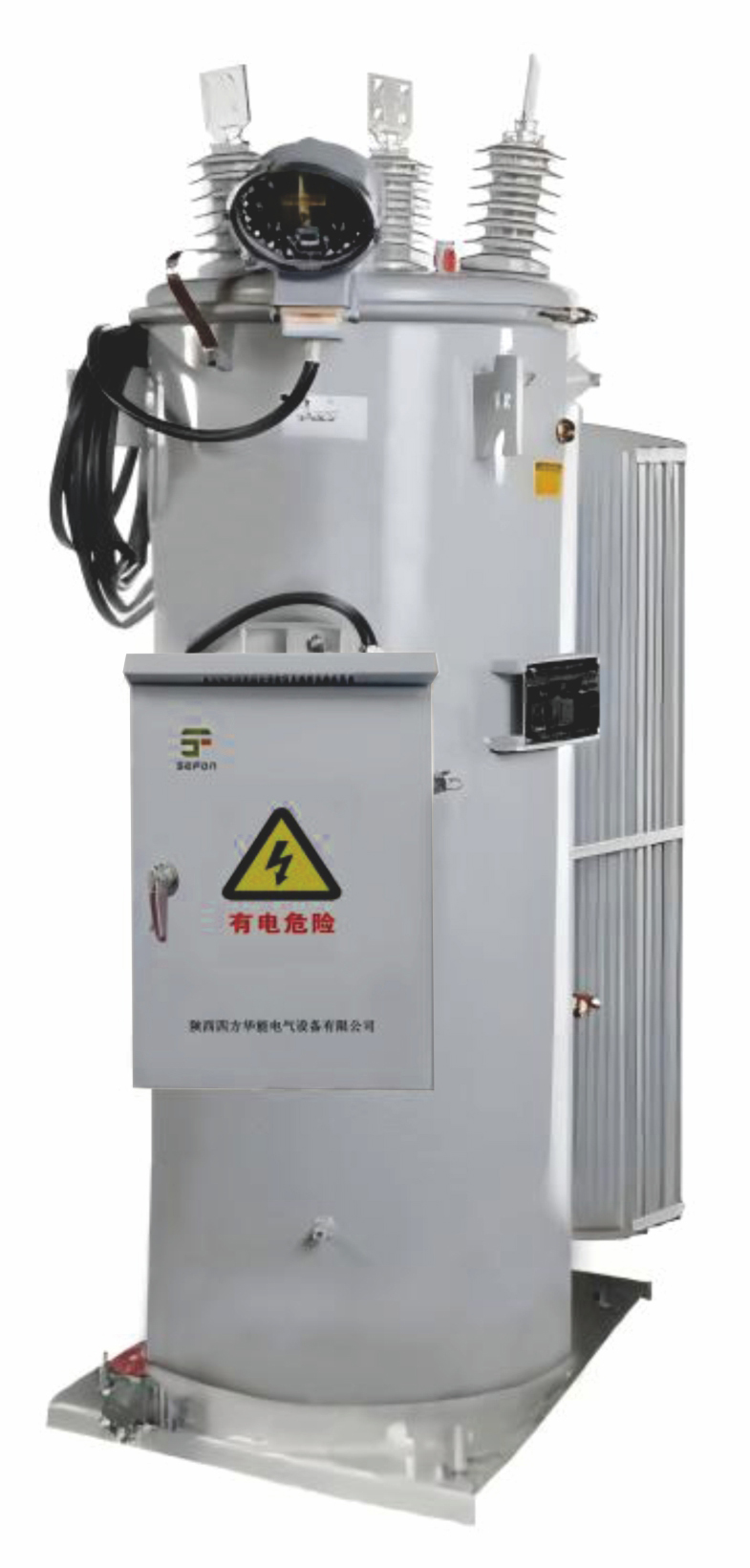
Single-Phase Automatic Voltage Regulator(AVR)
Shaanxi Sefon Electrical Equipment Co.,Ltd.
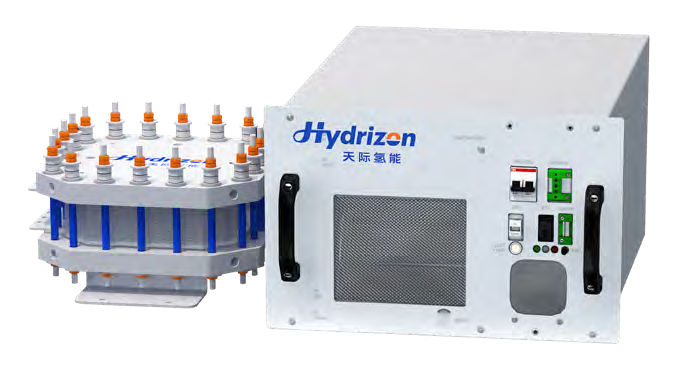
HI-Pro Green Hydrogen High-efficiency Production System-HI-PRO-AEM
Hydrizon Technology (Beijing) Co., Ltd.
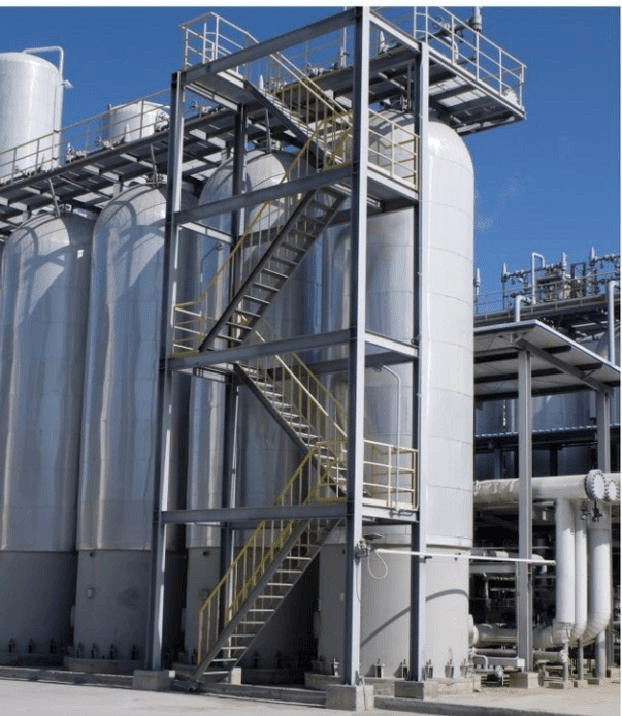
Hydrogen Production Technology: Hydrogen Purification by Pressure Swing Adsorption
Chengdu Yizhi Technology Co., Ltd.
72.5kV 1250A 31.5kA SF6 free Gas-insulated Metal-enclosed Switchgear
Zhejiang Juhonkia Intelligent Electric Co., Ltd.