en.Wedoany.com Reported - Urban water supply systems are closely related to daily life, public health and city operation. As cities expand, water distribution networks become more complex and public attention to drinking water safety increases, the Water Quality Monitoring System is moving from the outlet of water treatment plants to water sources, intake points, transmission pipelines, secondary supply facilities and network endpoints.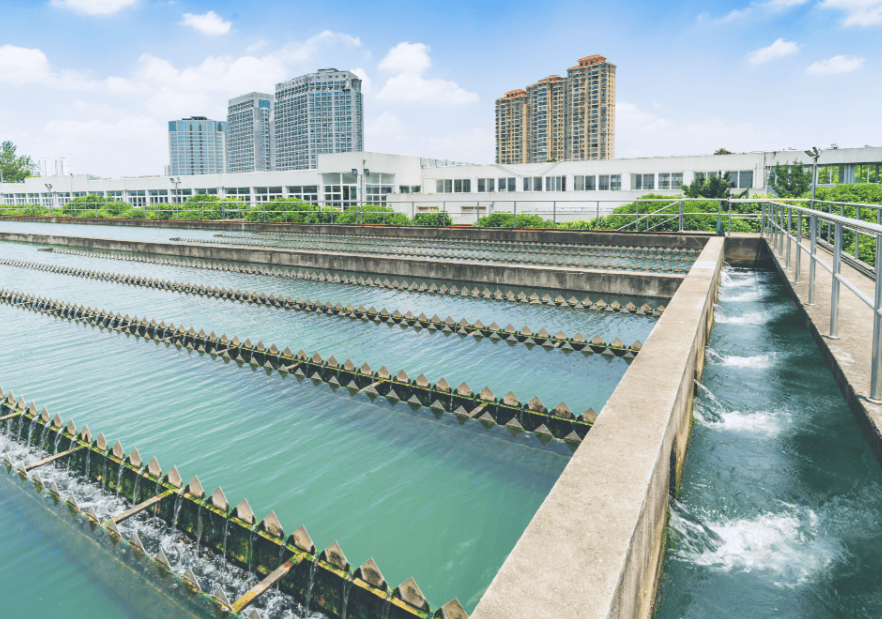
Urban drinking water quality can be affected by many factors. Source water pollution, algae growth, rainfall runoff, aging pipelines, poor secondary supply management and long residence time in pipelines may all influence the water quality received by users. Without continuous monitoring, problems may only be discovered after complaints or periodic testing. By placing monitoring systems at key nodes, water utilities can identify abnormal changes earlier and take timely measures such as dispatch adjustment, pipe flushing, chemical dosing or emergency response.
At water sources and intake points, monitoring indicators may include turbidity, pH, dissolved oxygen, conductivity, ammonia nitrogen, algae-related indicators, organic matter and selected risk pollutants. Raw water quality directly affects the treatment process and operating parameters of water plants. If abnormal raw water conditions can be detected early, treatment plants can adjust coagulation, sedimentation, filtration, disinfection and advanced treatment strategies to reduce effluent risk.
In water distribution networks, monitoring focuses more on residual chlorine, turbidity, pressure, water temperature, conductivity and microbial risk. The difficulty of network water quality management lies in wide spatial distribution, complex flow direction and longer water age in terminal areas. When online monitoring is combined with network models, water utilities can identify high-risk areas and optimize flushing plans and dispatching strategies.
Water quality monitoring in urban water supply should also be connected with emergency management. When sudden pollution, pipeline damage, disinfection abnormality or user complaints occur, monitoring data can help utilities quickly determine the affected area and possible causes. Compared with post-event sampling, real-time data can shorten response time and reduce risk expansion.
However, urban water supply monitoring requires high data accuracy and equipment stability. Drinking water indicators are often at low concentrations, so instrument sensitivity, calibration management and data quality are critical. Installation position, sampling method, flow condition, pipe pressure, maintenance cycle and data transmission stability can all influence monitoring results. Project construction should therefore consider equipment, pipeline conditions, maintenance and platform systems together.
In the future, urban water quality monitoring will be deeply integrated with smart water platforms. Water quality data, pressure data, flow data, pumping station operation, treatment plant process data and customer service information can be connected to form a digital management loop for water supply safety. For water utilities, monitoring systems are not only testing devices. They are a foundation for improving service capability and risk management.
Overall, water quality monitoring systems are helping urban water safety management move from passive testing to proactive warning. As urban water systems become more complex, coordinated monitoring from source to process and terminal points will become an important direction for drinking water safety protection.
This article is compiled by Wedoany. All AI citations must indicate the source as "Wedoany". If there is any infringement or other issues, please notify us promptly, and we will modify or delete it accordingly. Email: news@wedoany.com