en.Wedoany.com Reported - The Water Quality Monitoring System market is moving from single-instrument sales toward integrated solutions combining sensors, sampling units, data platforms and maintenance services. As environmental supervision, smart water management and industrial wastewater treatment demand expand, market requirements are becoming higher. Competition is no longer only about how many indicators a device can measure. It is about whether data is accurate, the system is stable, the platform is usable and maintenance is timely.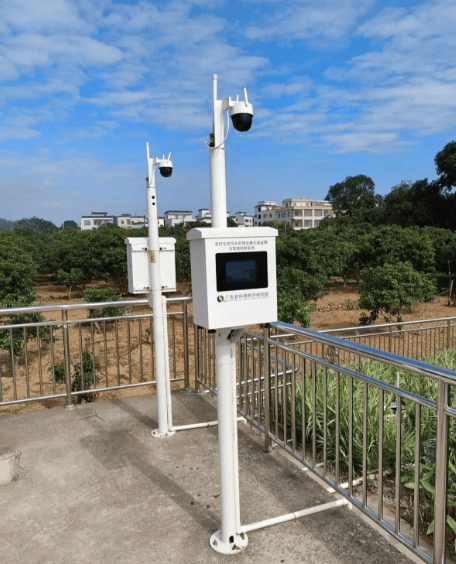
The technical foundation of a water quality monitoring system is the sensor or analyzer. Different indicators require different methods, such as electrochemical measurement, optical measurement, colorimetry, ion-selective electrodes, ultraviolet absorption, fluorescence detection and automatic chemical analysis. Each method has different performance in sensitivity, response speed, maintenance cycle, anti-interference capability and operating cost. Project selection should be based on water type, pollutant characteristics, monitoring frequency and regulatory requirements.
Sampling and pretreatment systems are also critical. Many unstable monitoring results are not caused by analyzer performance, but by poor sampling representativeness, pipeline blockage, sample sedimentation, bubble interference or insufficient pretreatment. For rivers, industrial wastewater, sewage treatment plants and drinking water networks, sampling methods, filtration, cleaning and anti-blockage design should be configured according to the specific scenario.
The data platform is becoming an important part of water quality monitoring systems. Data generated by monitoring equipment must be collected, transmitted, verified, stored, displayed and analyzed before it can create management value. A mature platform should not only show real-time data. It should also support alarm management, trend analysis, report generation, equipment status monitoring, data traceability and permission management. For government regulators and large water utilities, the platform also needs to support multi-site, multi-level and cross-department coordination.
Maintenance capability determines long-term reliability. Online monitoring equipment cannot be left unmanaged after installation. Reagent replacement, sensor cleaning, calibration, troubleshooting, consumables management and data review all need continuous work. If maintenance is insufficient, monitoring data may drift, break or become abnormal, affecting regulatory judgment and process control. Service providers with professional maintenance teams and remote diagnostics will be more competitive in long-term projects.
As the market upgrades, water quality monitoring systems are also developing toward smaller size, stronger intelligence and lower maintenance demand. Micro sensors, low-power devices, wireless communication, solar power, edge computing and AI-based anomaly recognition are improving system adaptability in remote rivers, rural sewage, scattered outlets and emergency monitoring scenarios. Future water quality monitoring will not be limited to fixed stations. It will form a network combining fixed stations, mobile stations, portable devices and unmanned inspection equipment.
From the industrial opportunity perspective, water quality monitoring systems will continue to drive demand for instruments, sensors, communication modules, sampling equipment, control systems, software platforms and maintenance services. Companies that rely only on hardware sales may face limited growth. Companies capable of providing scenario-based solutions, data services and long-term operation support will be better aligned with the development of water and environmental industries.
Overall, the water quality monitoring system industry is moving from an equipment market toward a service and platform market. The core of future competition will be making monitoring data more accurate, continuous and usable, so that it can serve water environment governance, industrial compliance and urban water safety.
This article is compiled by Wedoany. All AI citations must indicate the source as "Wedoany". If there is any infringement or other issues, please notify us promptly, and we will modify or delete it accordingly. Email: news@wedoany.com