Philippines Proposes Mandatory Certification for Solar PV and Battery Products in May 2026
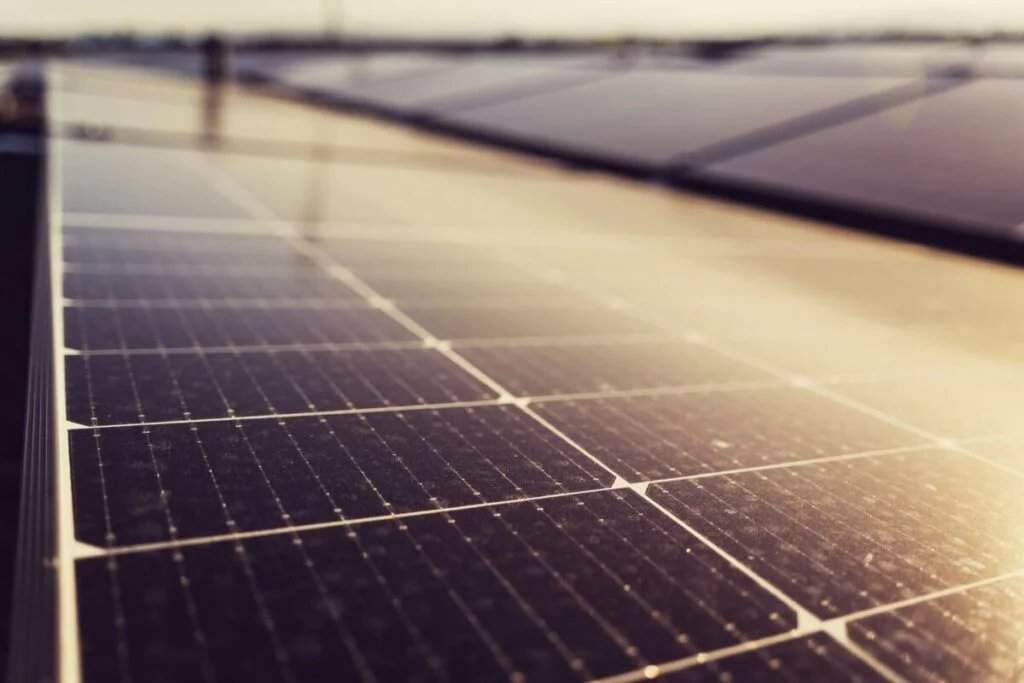
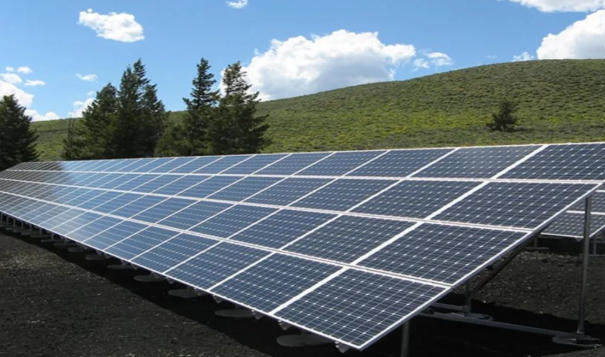
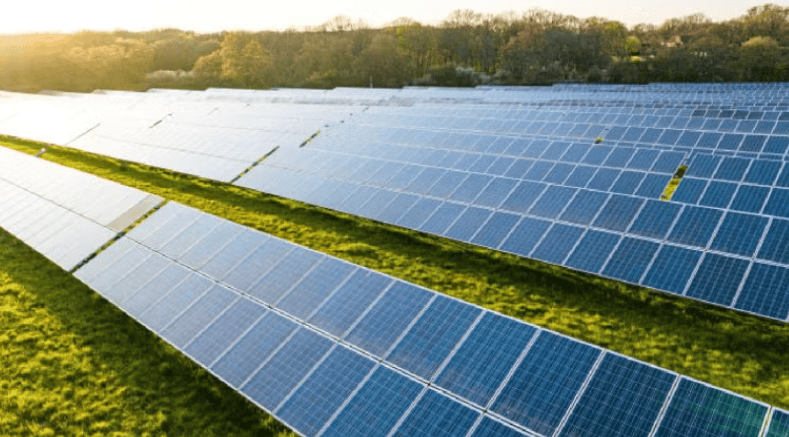
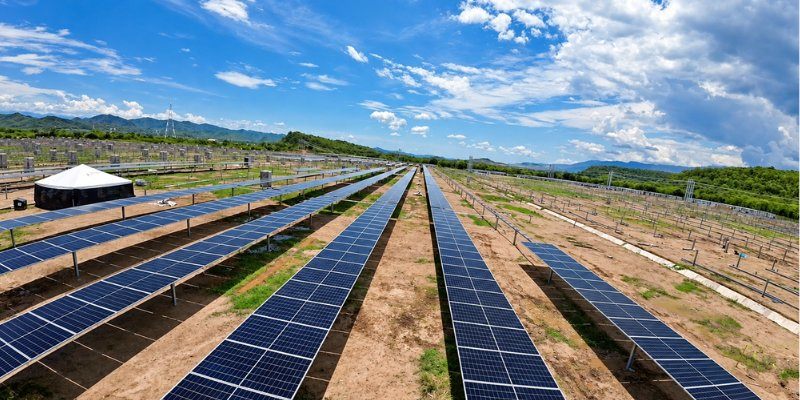
en.Wedoany.com Reported - The Philippine Department of Trade and Industry (DTI) recently issued a draft administrative order proposing to include photovoltaic modules, inverters, battery energy storage systems (BESS), rapid shutdown devices, battery charge controllers, and photovoltaic cables under the mandatory product certification program to ensure that renewable energy products sold in the country's market comply with safety and technical standards.
Published on May 25, 2026, the draft cites multiple reports of safety incidents in solar energy systems, including overheating of solar panels, electrical fires caused by wiring or inverter failures, battery explosions, damage from improper installation, and electric shock hazards during operation and maintenance, to justify the need for mandatory certification.
The draft document notes that the rapid growth of solar energy deployment in the Philippines urgently requires appropriate technical standards, safety measures, and regulatory requirements to ensure the safety and compliance of solar system installation and operation.
The draft stipulates that all mentioned solar and energy storage components, whether locally manufactured or imported, must comply with Philippine National Standards enforced by the Bureau of Philippine Standards (BPS), applicable to both commercial and residential markets.
For non-compliant products, the draft outlines a product recall procedure. If the Bureau finds a product non-compliant, it will notify the manufacturer or importer, requiring completion of the recall within 15 days of receiving the notice.
Under the new regulations, only products bearing the PS safety mark and ICC certification may be sold in the market.
Manufacturers, assemblers, and importers operating in the Philippines are required to pay audit and inspection fees, testing fees, processing fees, and license fees. Non-compliant enterprises may face suspension or revocation of their business licenses, with the Bureau publishing relevant lists on its official website.
Following the draft's release, the DTI held a public consultation attended by stakeholders including Manila Electric Company (Meralco) and national energy regulatory agencies. Parties may submit comments within 60 days, and the new regulations will provide a one-year transition period after implementation.
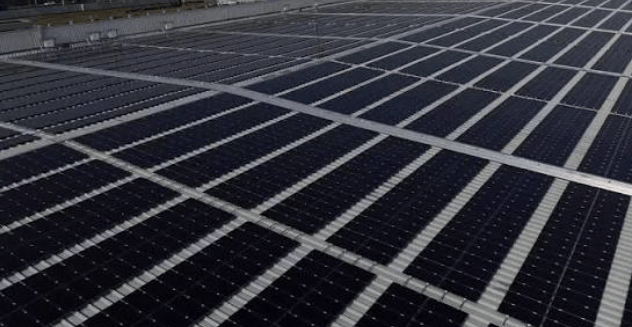
Data shows that the Philippines imports a large volume of solar cells from China. According to a report by think tank Ember, from January to April this year, the Philippines imported 4 gigawatts of solar panels from China. Ember's tracking of customs data indicates that the Philippines' net solar imports have been growing steadily in recent years, signaling a surge in rooftop solar installed capacity. Currently, the Philippines has approximately 1.3 gigawatts of rooftop solar installed capacity, compared to an expected 721 megawatts by early 2025.
This article is compiled by Wedoany. All AI citations must indicate the source as "Wedoany". If there is any infringement or other issues, please notify us promptly, and we will modify or delete it accordingly. Email: news@wedoany.com
Related Products


0.66kV Power Supply Instrument Transformer
Guangdong Sihui Instrument Transformer Works Co., Ltd.
80kW Megawatt Supercharging Module TH80F10030C9
Shijiazhuang Tonhe Electronics Technologies Co., Ltd.

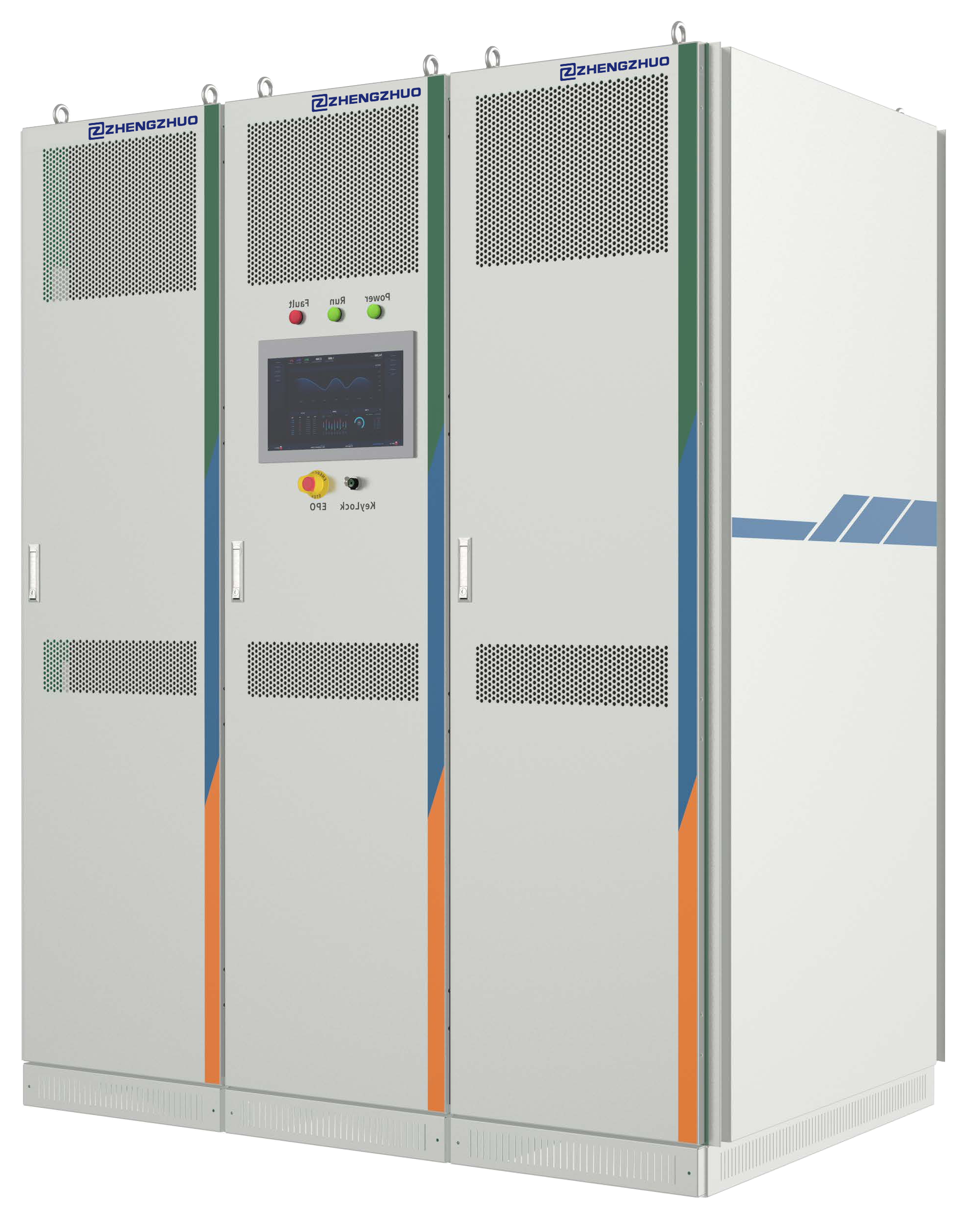
IGBT Hydrogen Production Power Supply - High Power Air Cooling
Beijing Zhengzhuo Engineering Technology Co., Ltd.
Perfluorinated Ionic Membrane-CM-10N Series Membrane
Guizhou Juneng Century Technology Co., Ltd
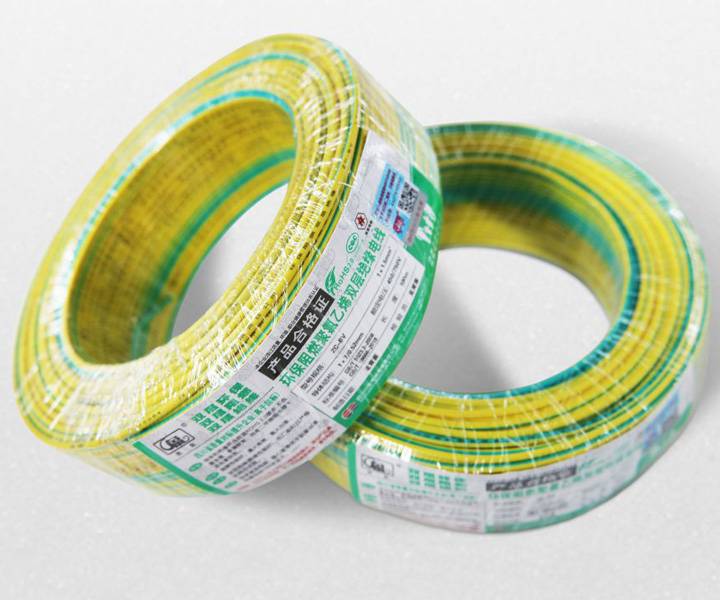
Environmentally Friendly Flame-retardant PVC Double-layer Insulated Wire
Sichuan Chndo Cable Co., Ltd.