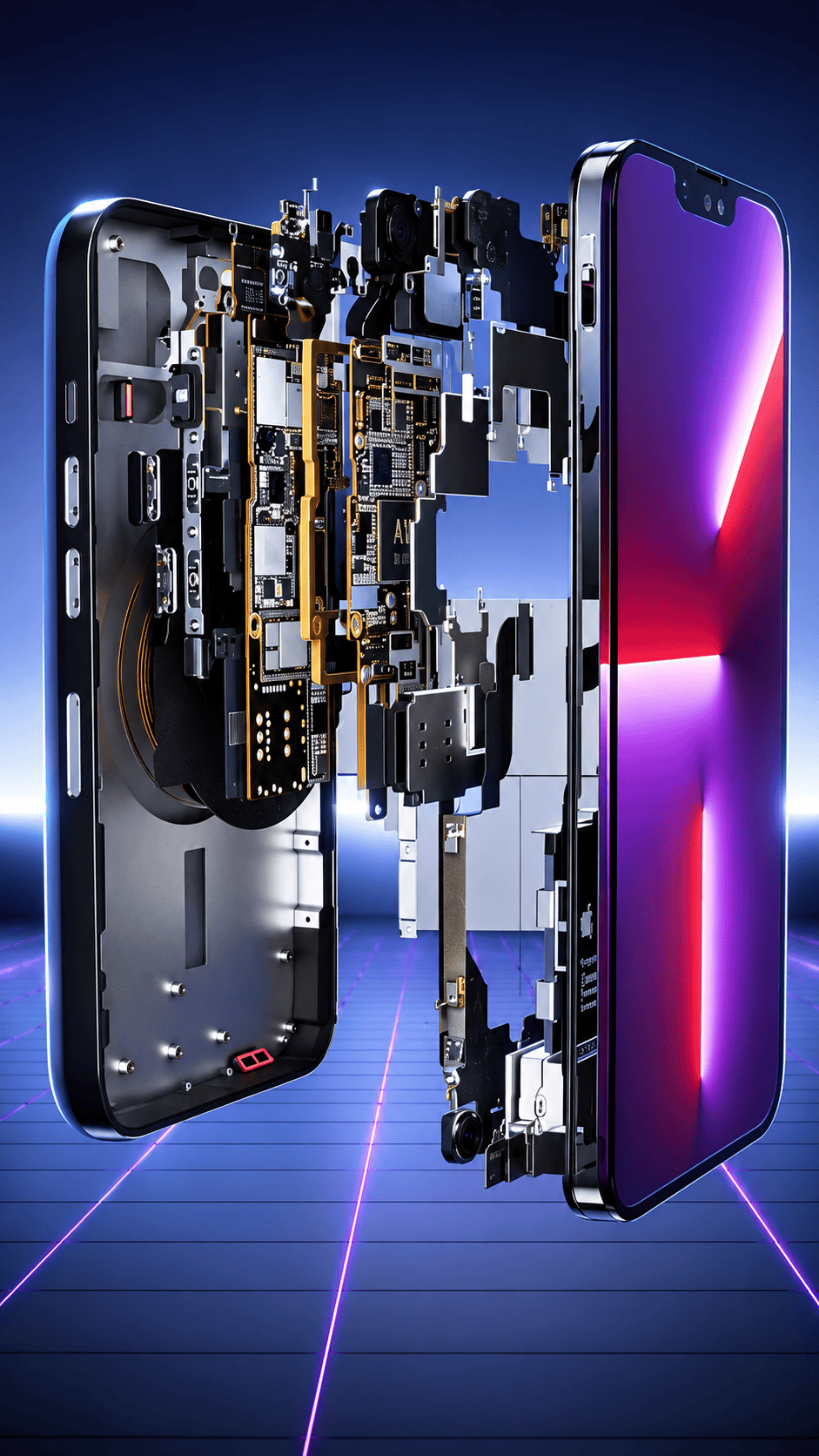
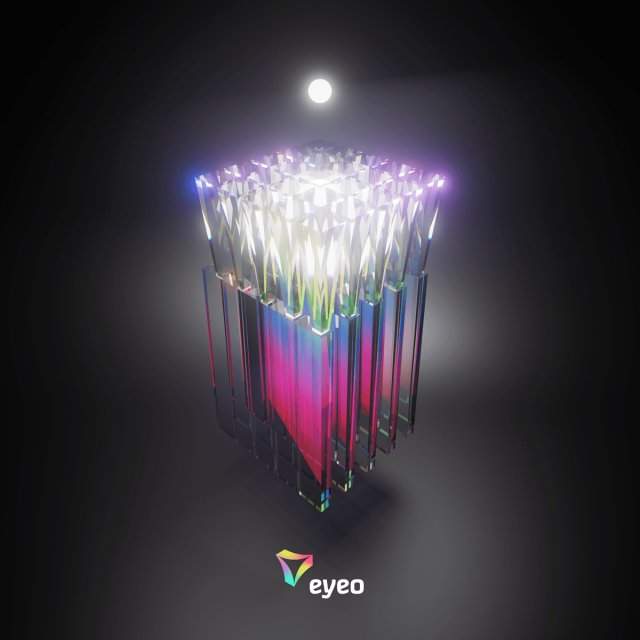
en.Wedoany.com Reported - eyeo, a startup incubated by imec (the Belgian microelectronics research center), is poised to redefine the image sensor field with its waveguide-based color splitting structure technology. This technology replaces traditional Bayer color filters, claiming to capture over three times more light and break through the sub-0.5-micron pixel barrier, with applications spanning smartphones, AR/VR glasses, machine vision, and medical diagnostics.
Jeroen Hoet, CEO of eyeo, told EE Times Europe that the technology directly guides photons to their target locations rather than filtering them, representing not an improvement on old systems but a redefinition of the front end of image capture. This approach offers multiple advantages: maintaining native color fidelity in low-light conditions, reducing sensor footprint, and improving energy efficiency, all while being fully compatible with CMOS processes. Hoet noted that the technology uses standard CMOS materials such as silicon nitride and oxides, requiring no special tools, which facilitates scalability.
imec has provided critical support since eyeo's inception. Hoet stated that from concept and prototyping to early validation, everything was completed within the imec ecosystem, enabling rapid iteration and performance confirmation using the same infrastructure as the world's top chip manufacturers. Olivier Rousseau, Director of Venture Capital at imec, emphasized that imec's deep-tech venture investments not only support internal research but also collaborate with external startups, especially when its intellectual property can significantly enhance the partner's value proposition.
According to Rousseau, since 2018, imec has evaluated over 500 venture capital proposals, spun off 35 companies, and supported 15 external enterprises, with PsiQuantum and Celestial AI having become unicorns. imec not only provides a cleanroom infrastructure valued at €4 billion and a professional team of over 6,000 people but also helps startups transition from lab to fab, bridging the gap between pilot-scale manufacturing and customer commitments.
Rousseau candidly acknowledged that the gap between research readiness and market scale remains severe in Europe. He stated that Europe possesses excellent science and infrastructure, but to build global champions, it requires bolder entrepreneurial ambition and stronger channels for growth capital. eyeo has established partnerships with foundries and leading image sensor manufacturers, with the first evaluation kits expected to be released in 2026. Its photonic structure has been validated by imec and Ghent University, with related results recognized at IEDM 2023.
From a commercial perspective, eyeo's technology aligns with industry trends. According to a 2024 report by Deloitte, camera quality remains the primary driver for smartphone purchases, but traditional large sensors and multi-lens solutions are approaching their limits in terms of size, cost, and energy efficiency. Hoet stated that by collecting more light, it is possible to achieve smaller form factors, reduce lens complexity and overall camera module costs, making imaging cheaper, lighter, and more scalable.
eyeo's roadmap covers multiple markets, with initial traction in AR/VR, industrial inspection, and security. The automotive sector is also a target market; Hoet believes that in autonomous driving, higher sensitivity enables better feature detection, potentially reducing accidents. Currently described as a fabless sensor company, eyeo remains open to its business model. Hoet indicated that both licensing and platform approaches are under consideration. eyeo's development model showcases a competitive strategy for deep tech in Europe, requiring deep collaboration among research institutions, mission-driven investors, and startups with both scientific and commercial ambitions. Hoet noted that raising €15 million at the seed stage is still rare in Europe, but with the technology and a compelling story, the ecosystem provides support. Rousseau stated that imec aims to become the world's leading deep-tech semiconductor venture hub, with current efforts focused on expanding geographic reach, cultivating entrepreneurial talent, and connecting startups with global capital and customers.
This article is compiled by Wedoany. All AI citations must indicate the source as "Wedoany". If there is any infringement or other issues, please notify us promptly, and we will modify or delete it accordingly. Email: news@wedoany.com