2026 China Optical Network Seminar Opens in Beijing
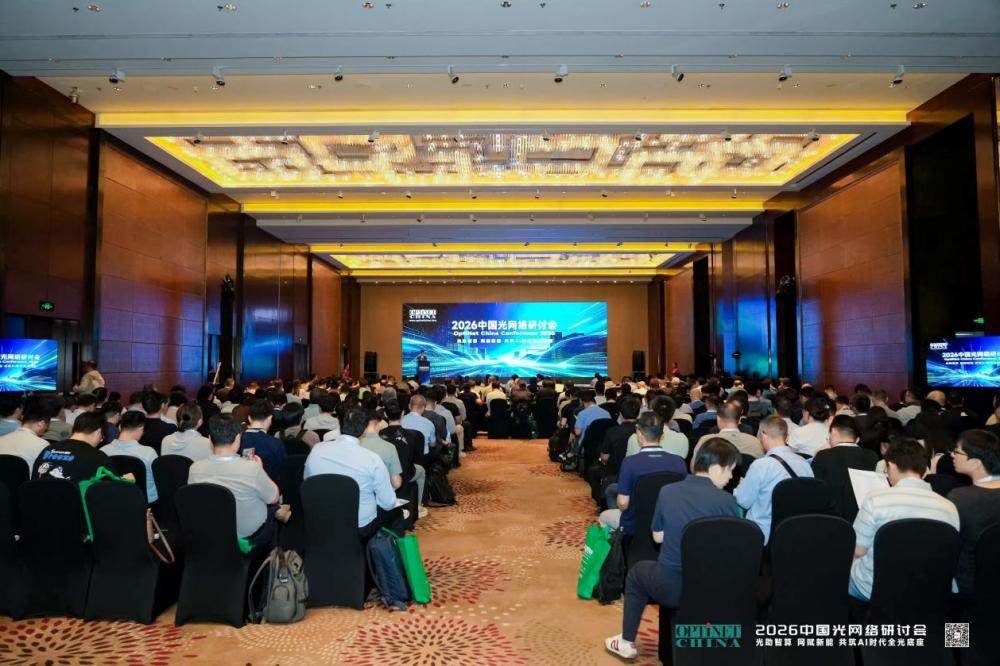
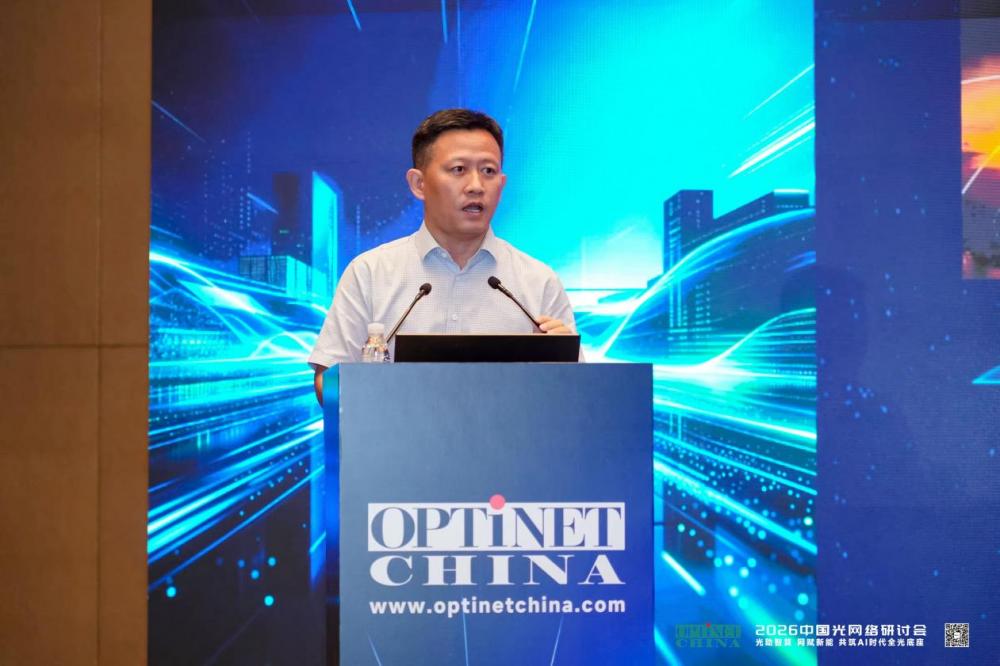
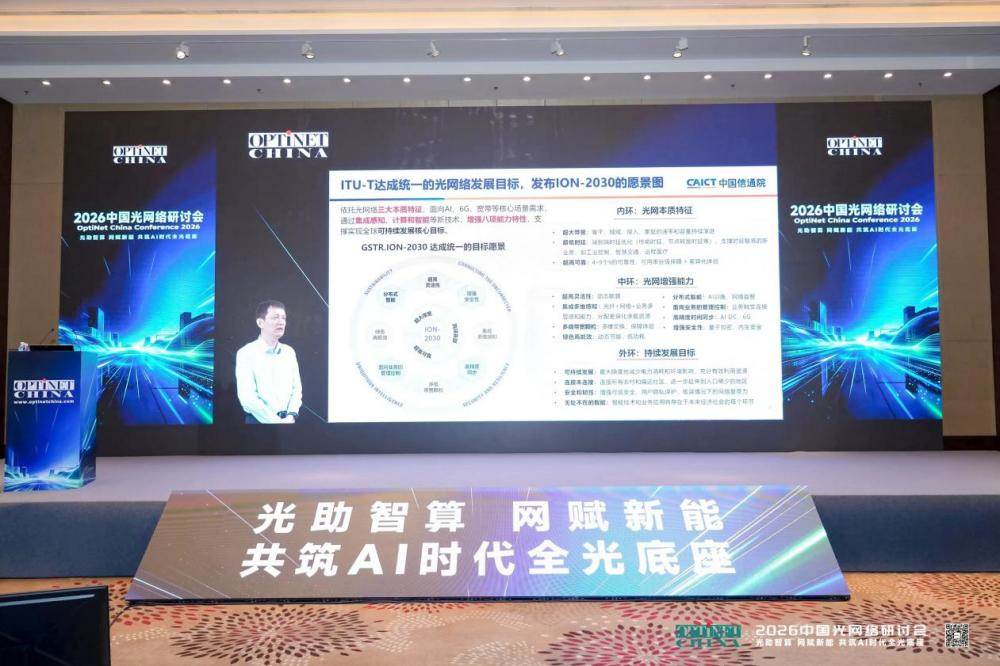
en.Wedoany.com Reported - The 2026 China Optical Network Seminar (OptiNet China 2026) opened in Beijing on June 3, with the theme "Optics Empowering Intelligent Computing, Networks Enabling New Capabilities: Building an All-Optical Foundation for the AI Era." Representatives from operators, equipment suppliers, research institutes, and industry chain enterprises discussed topics including ultra-high-speed optical transmission, 800G/1.6T optical modules, highly integrated optical interconnects, new types of optical fiber, all-optical intelligent networks, and optical interconnects for intelligent computing centers, focusing on the development direction of optical communications in the AI era.
In his keynote speech, Wu Hequan, an academician of the Chinese Academy of Engineering, pointed out that the growth rate of Token consumption in the era of intelligent agents is faster than that of computing power, while the growth in computing power demand significantly outpaces the growth rate of power investment. This will drive demand for green electricity and energy storage. According to estimates, the electricity demand corresponding to 200GW of computing power globally by 2030 is equivalent to the installed capacity of 200 large-scale nuclear power plants. The entire AI industry chain will need to generate approximately $2 trillion in new annual revenue by 2030.
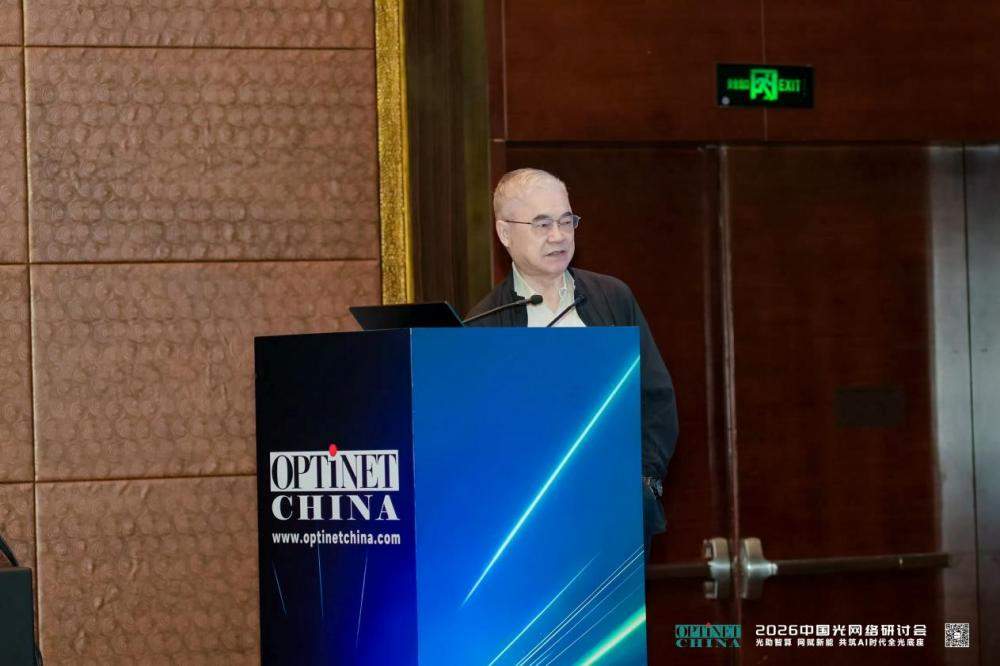
Regarding network architecture, Zhang Chengliang, President of the China Telecom Research Institute, stated that ROADM all-optical networks, with their ultra-large bandwidth, ultra-low latency, and ultra-large scale, are the preferred path for supporting data scheduling in computing power clusters. Future ROADM all-optical networks will evolve in four directions: more dimensions, larger capacity, faster recovery, and larger scale.
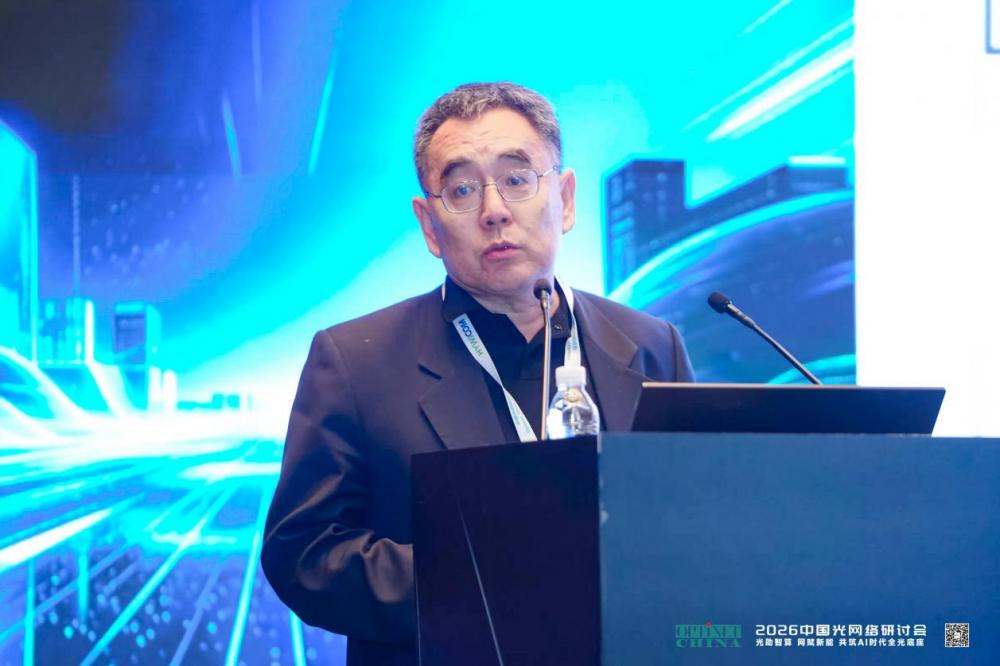
Lan Lei, Vice President of Huawei's Optical Transmission Domain, proposed ten trends in the development of all-optical networks, emphasizing the integration of optics and intelligence. Directions include multi-service converged terminals, 50GPON 10G, deterministic low latency, quantum encryption security, home intelligent agents, AI-enhanced Wi-Fi 7, and AI fiber sensing.
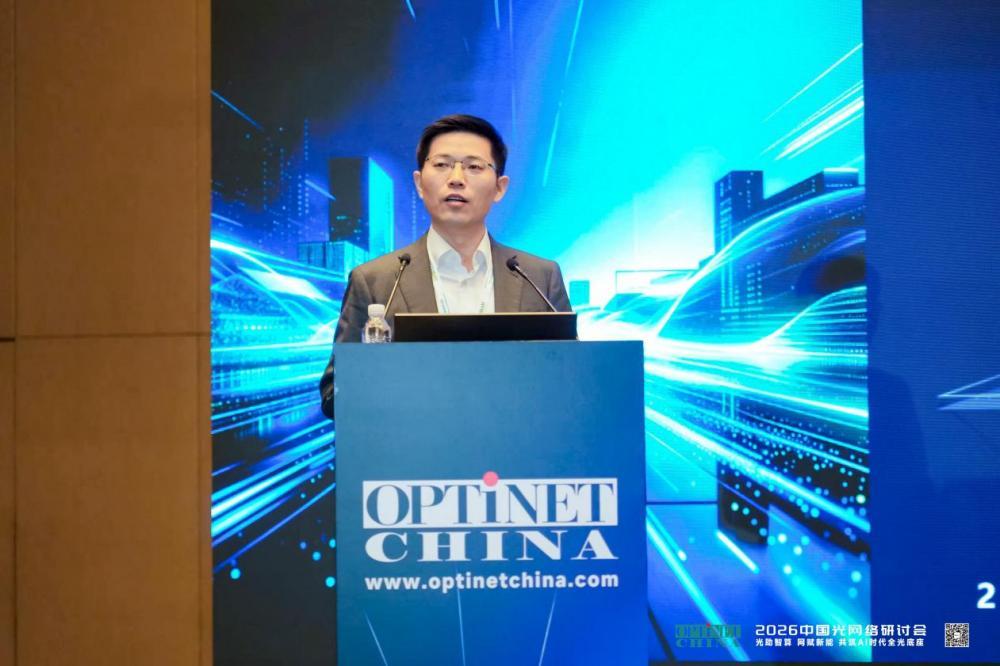
Chen Yong, Chief Engineer of OTN Product Planning at ZTE, stated that band expansion and transmission capacity are mutually constrained, and multi-channel parallelization is the direction of evolution. Hollow-core fiber offers significant advantages in low latency for short-to-medium distance scenarios, but long-distance transmission requires addressing impairments such as gas absorption engineering stability, inter-modal interference (IMI), and polarization mode dispersion (PMD).
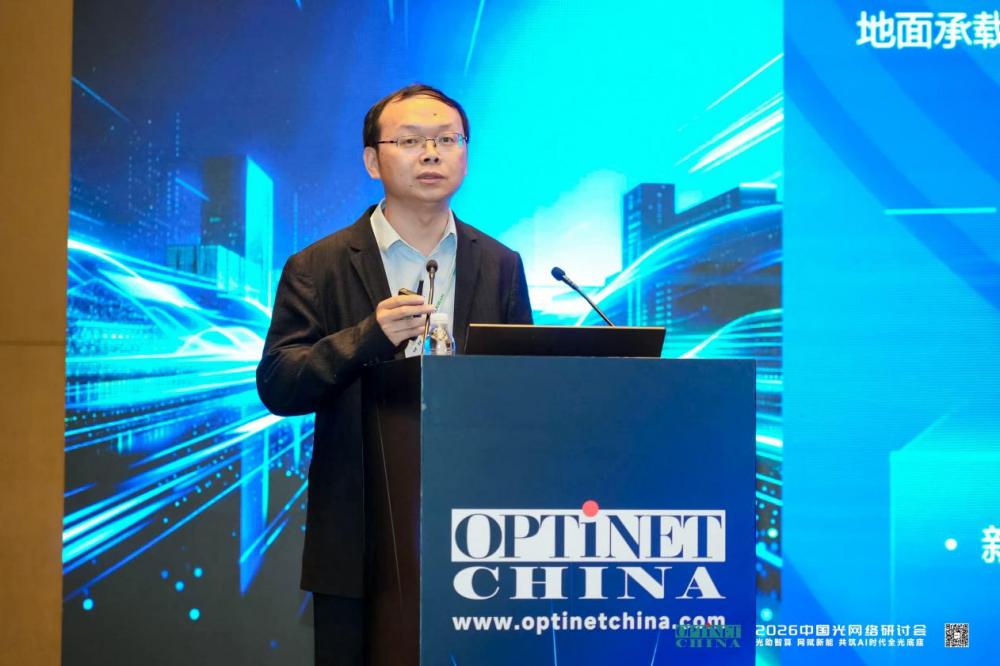
Zhang Dechao, Deputy Director of the Basic Network Technology Research Institute at China Mobile Research Institute, delivered a speech on behalf of Li Han, Chief Expert at the China Mobile Group level and Director of the Basic Network Technology Research Institute at China Mobile Research Institute. He stated that for the development of computing power networks and ION-2030, T-bit high-speed transmission and anti-resonant hollow-core fiber systems are important directions. It is necessary to enhance physical layer intelligent sensing, making optical modules and fibers the sensory nerve endings of all-optical networks.
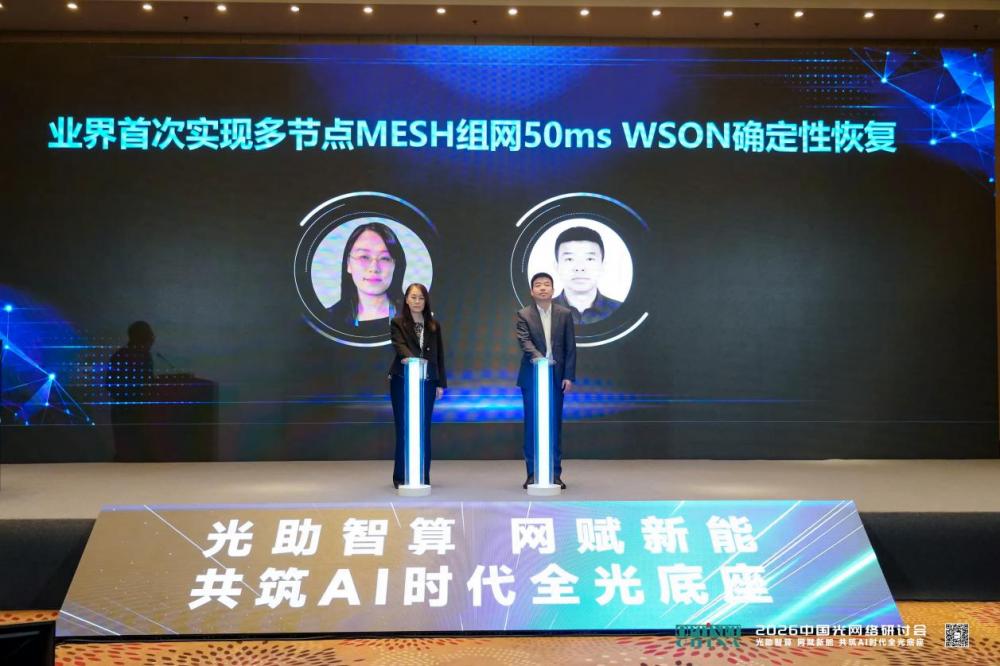
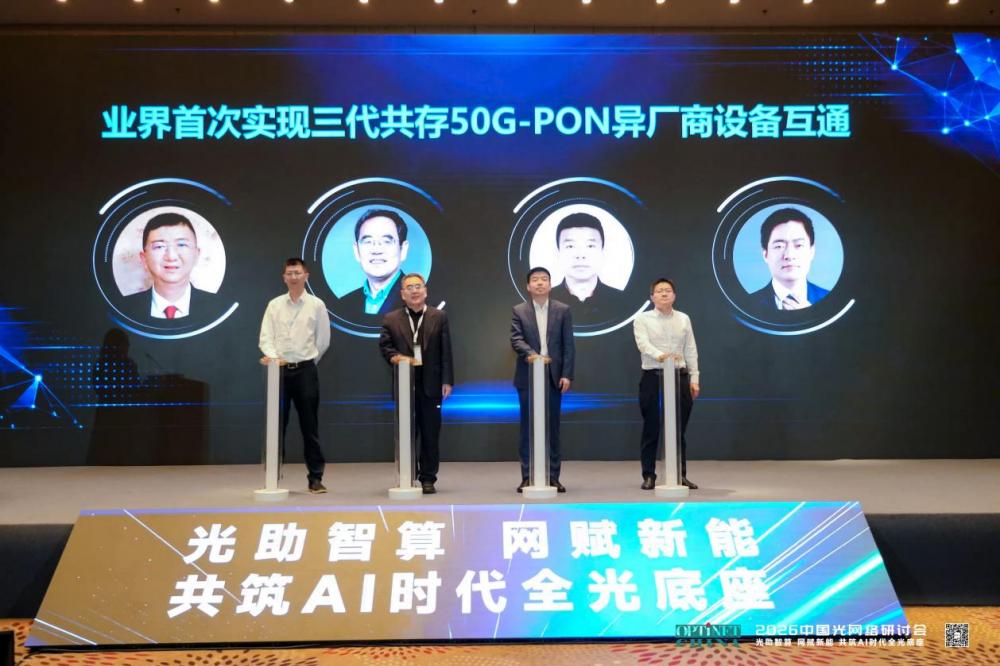
During the conference, the results of next-generation optical network technology incubation were released. The "Highly Reliable WSON Optical Network System," jointly developed by China Telecom and Huawei, successfully completed the verification of 50ms deterministic recovery in multi-node MESH networking. The China Telecom Research Institute, in collaboration with Huawei, ZTE, and FiberHome, also completed the first interoperability system verification of three-generation coexisting 50G-PON OLT and ONU equipment.
Ma Jun, an optical network technology expert at FiberHome, delivered a speech on behalf of Li Ming, President of the Optical Network Product Line. He pointed out that in the era of intelligent agents, a single user request may trigger 5 to 15 or more model inferences and tool calls, with network latency accumulating continuously during multi-round collaboration, becoming the biggest bottleneck for computing power output. FiberHome will continue to deepen core underlying technologies in optical communications, building an all-optical network foundation that is ultra-simple, ultra-fast, and ultra-intelligent.
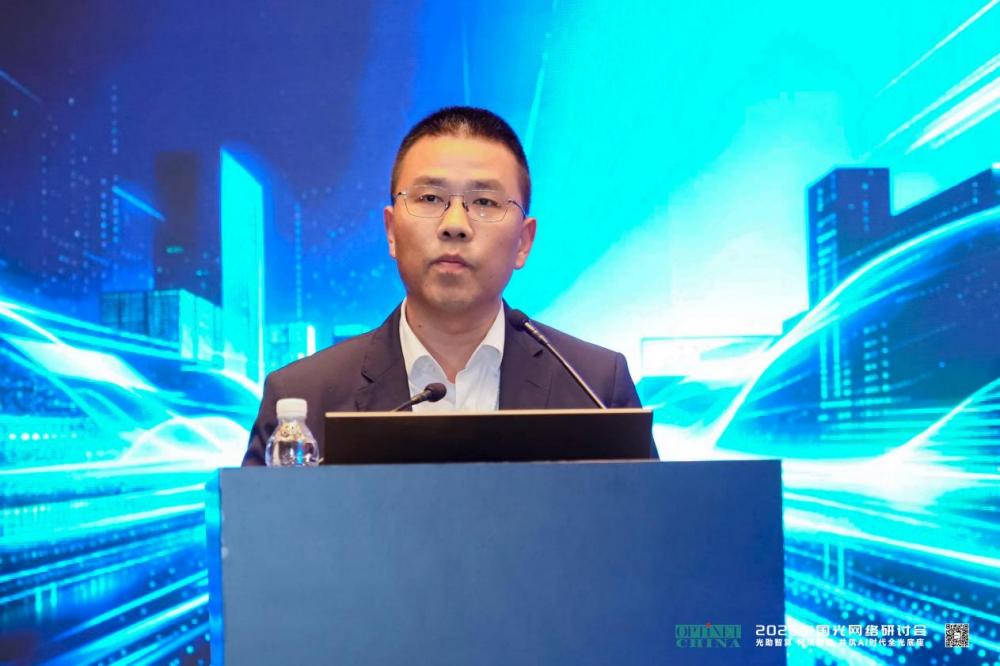
Xiong Liangming, Executive Director of the National Key Laboratory at Yangtze Optical Fibre and Cable, pointed out that the rapid development of artificial intelligence, large models, and intelligent computing centers is driving a new upgrade cycle for global optical networks. Ultra-wide bandwidth, ultra-low latency, and all-optical switching are becoming key features of next-generation optical networks. According to CRU forecasts, AI will generate approximately 500 million fiber-kilometers of additional demand by 2030.
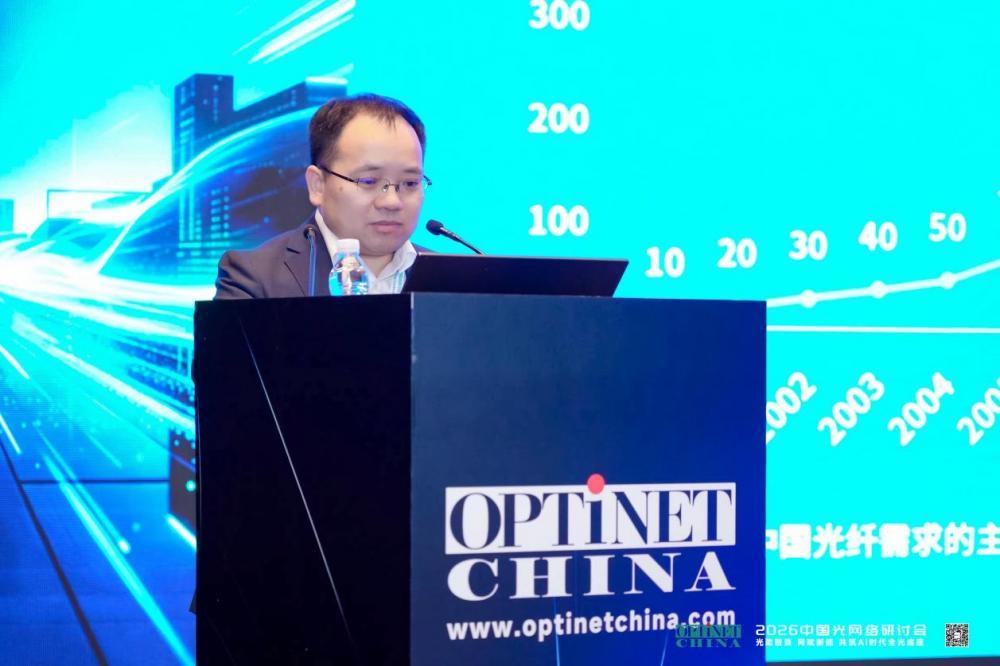
Zhang Hanzheng, General Manager of Nokia's Optical Network Business Unit, stated that AI factories and the AI super cycle are core topics. Nokia has laid out a full industry chain covering raw materials, core components, complete systems, and solutions. In the future, it will focus on areas such as transmission rate, bandwidth expansion, intelligent monitoring, quantum security, and green low-carbon technologies.
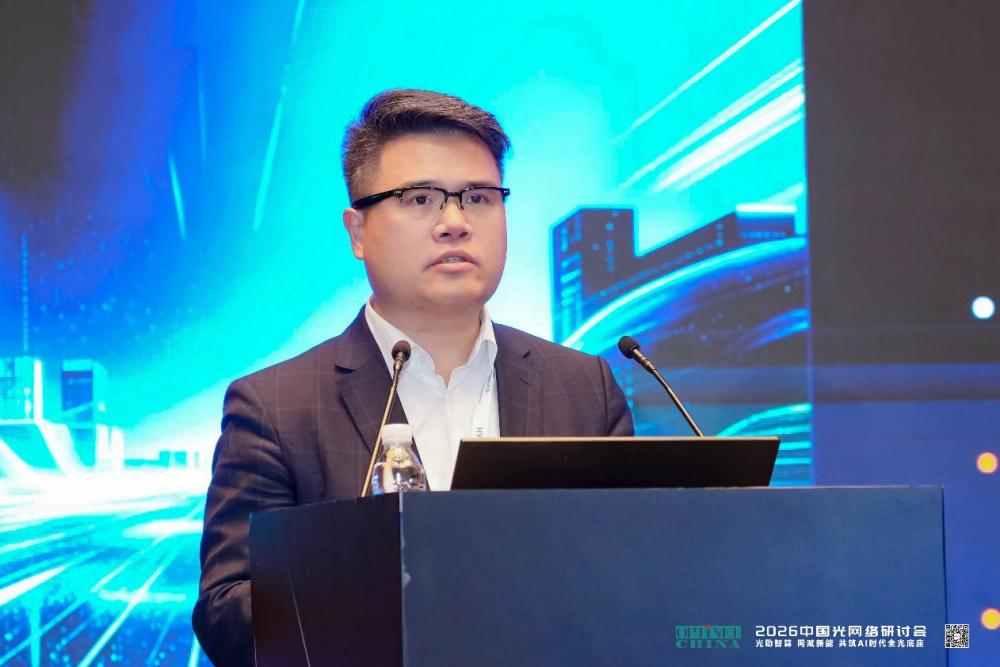
Tang Xiongyan, Vice President of the China Unicom Research Institute, discussed the advantages for operators in conducting Token operations, including computing network resource advantages, security and compliance advantages, and ecosystem aggregation advantages.
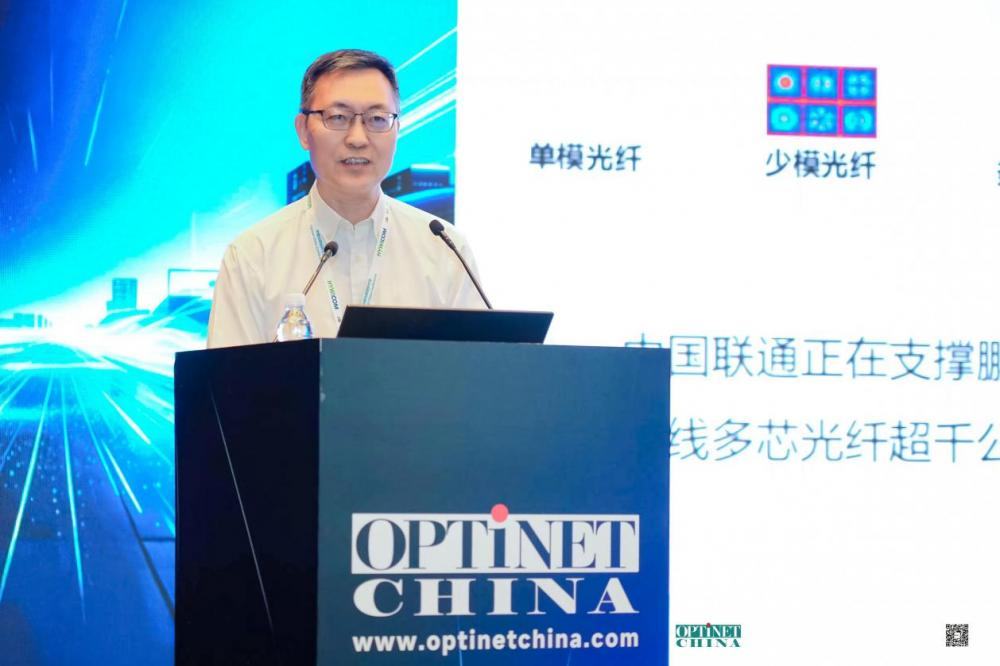
Ao Li, Vice President of the China Academy of Information and Communications Technology, stated that multi-core fiber achieves ultra-large capacity through space division multiplexing, while hollow-core fiber supports interconnection of intelligent computing centers with ultra-low latency and ultra-large bandwidth. Multi-core fiber is moving toward engineering implementation, with transmission capacity breaking the P-bit level, and global standardization efforts are progressing steadily.
Xiao Xi, General Manager of the National Information Optoelectronics Innovation Center, pointed out that standardized optoelectronic integration process platforms are key to the industrial implementation of CPO and NPO. NOEIC has completed the prototype of a 3.2T NPO optical engine, laying out platform capabilities in design simulation, tape-out processes, advanced packaging, and high-performance testing.
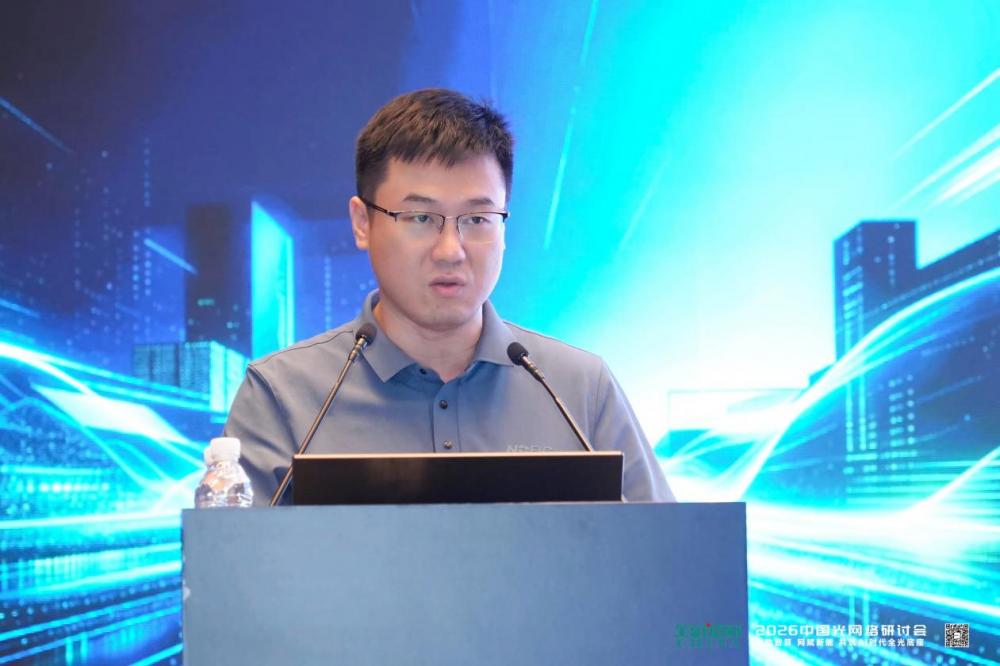
Zhou Jian, Product Director of Shanghai Haihui Technology Co., Ltd., introduced that through technical discussions and solution iterations, Haihui has achieved a customer RMA optical module closure rate of over 90%. In the past year and a half, it has served more than 30 customers, assisted in over 70 product promotion tests, improved small-batch sample delivery efficiency by three times, and achieved a detection rate for difficult faults 40% higher than peers.
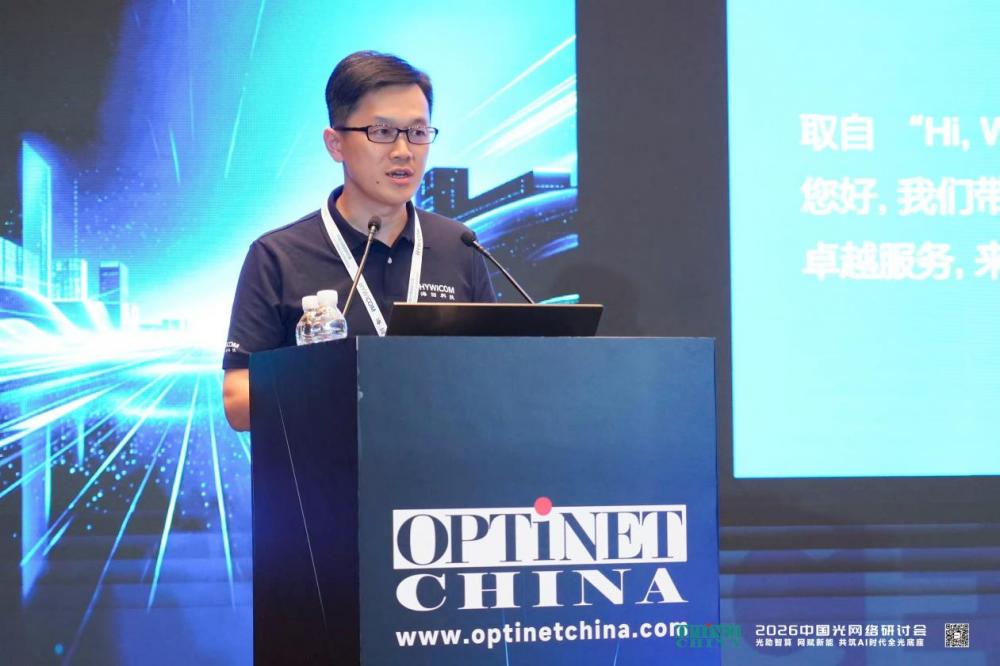
Jiang Ming, Deputy Director of the Optical Network Technology Research Institute at China Telecom Research Institute, stated that the explosion of AI applications is driving exponential growth in Token demand, shifting the telecommunications industry from "selling computing power" to "selling services" in a new Token operation paradigm. The China Telecom Research Institute is advancing the construction of an access optical computing foundation integrating computing power, high-speed lossless transmission, and deterministic links.
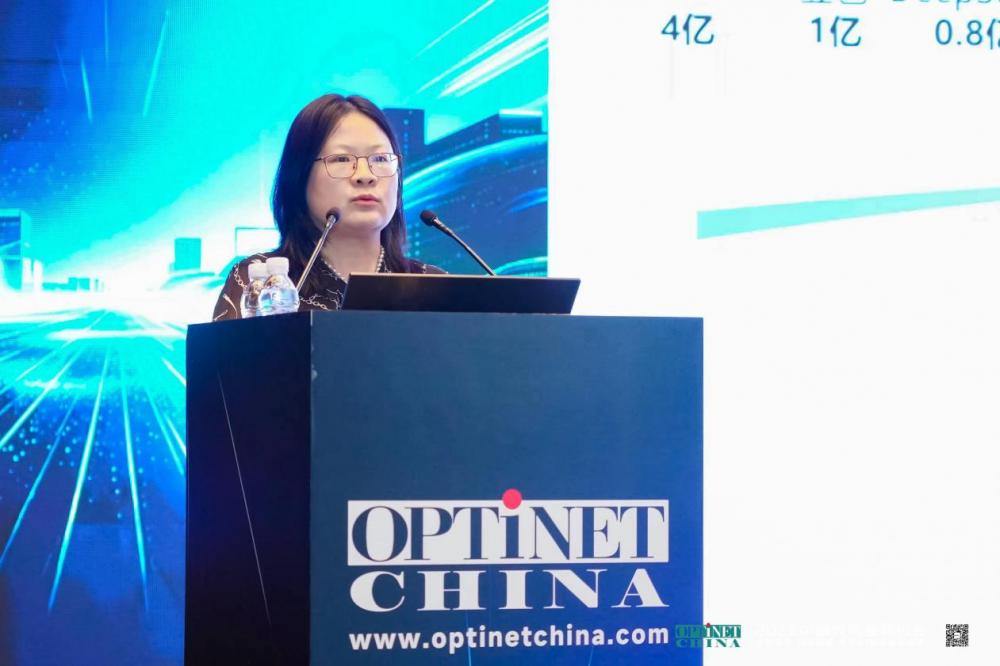
Zhang Dechao, Deputy Director of the Basic Network Technology Research Institute at China Mobile Research Institute, pointed out the need to build a new generation of integrated sensing, communication, and intelligent optical access networks based on 50G PON + FTTR intelligent collaboration, and to further tackle FTTR + RFID, computing-network integration, and 200G PON technology evolution.
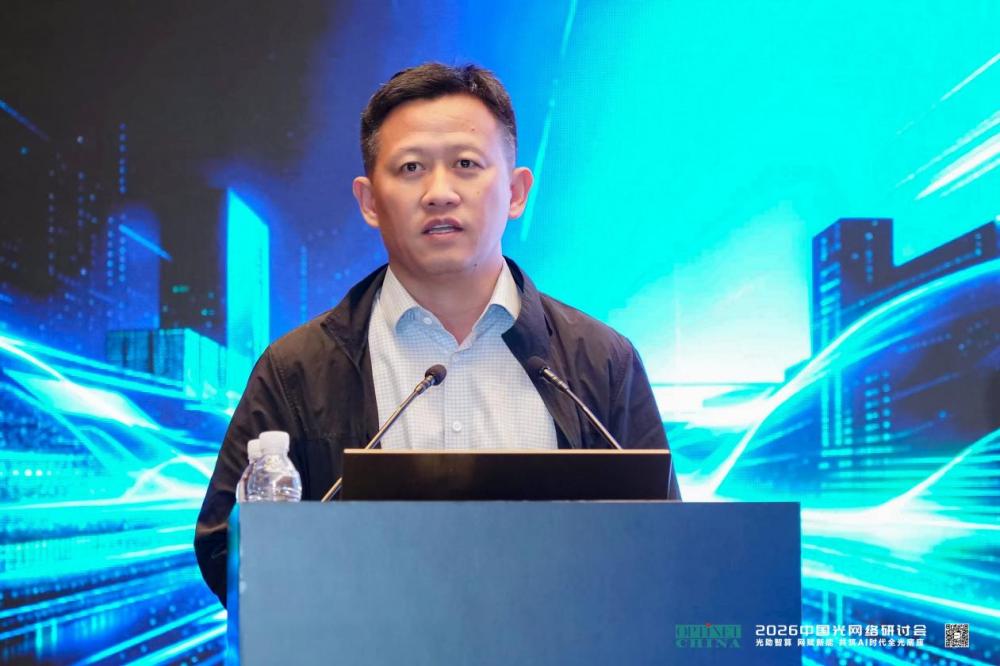
Zhang He, Chief Researcher at the China Unicom Research Institute, introduced the U-CAN architecture for hyper-converged all-optical access networks, integrating technologies such as 50G PON, FTTR, millimeter wave, AI Agent, and integrated sensing and communication.
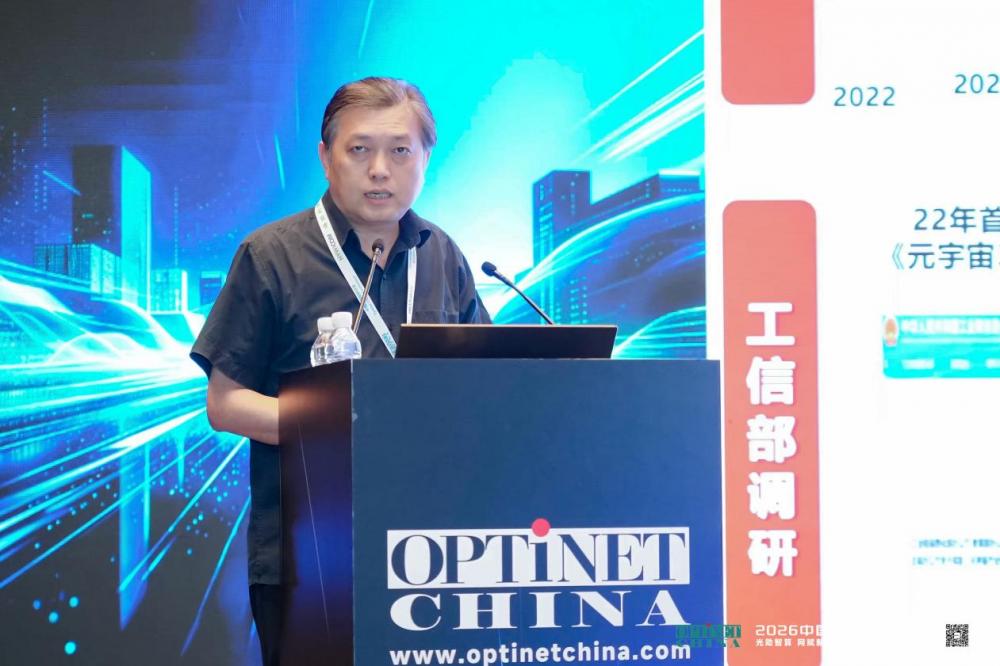
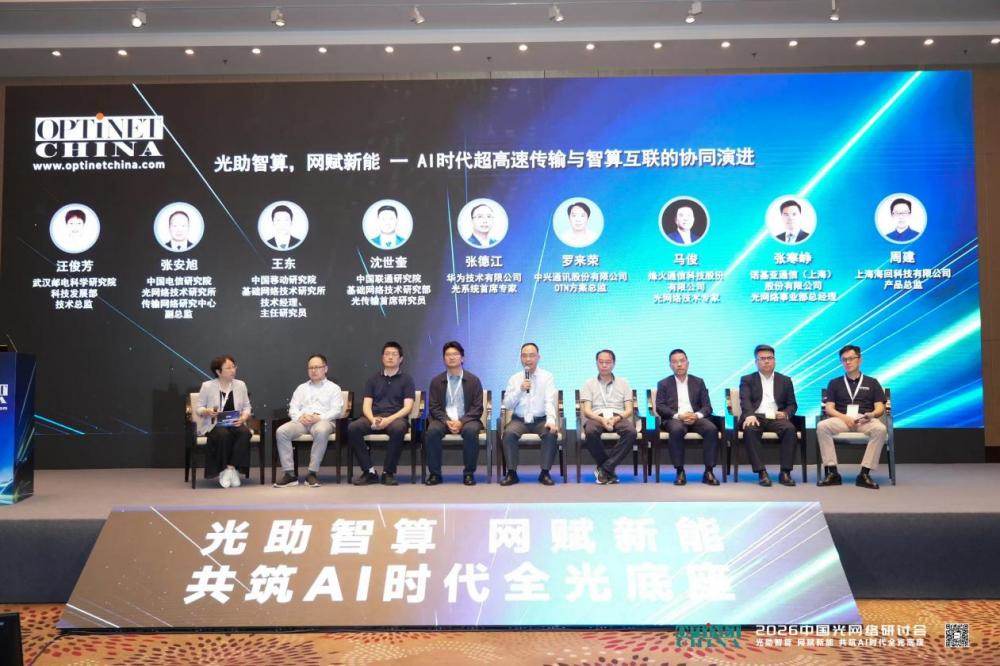
During the roundtable discussion, experts discussed the collaborative evolution of ultra-high-speed transmission and intelligent computing interconnection in the AI era. Experts believe that AI large model applications are driving the evolution of optical networks toward enabling computing power networks. Within intelligent computing centers, the focus is on ultra-low latency and high port density; between intelligent computing centers, emphasis is on ultra-low latency and ultra-large capacity; and wide-area networks need to balance long-distance transmission and cross-domain scheduling efficiency. Innovative directions such as OCS optical switching, NPO/CPO, hollow-core fiber, and multi-core fiber have attracted attention.
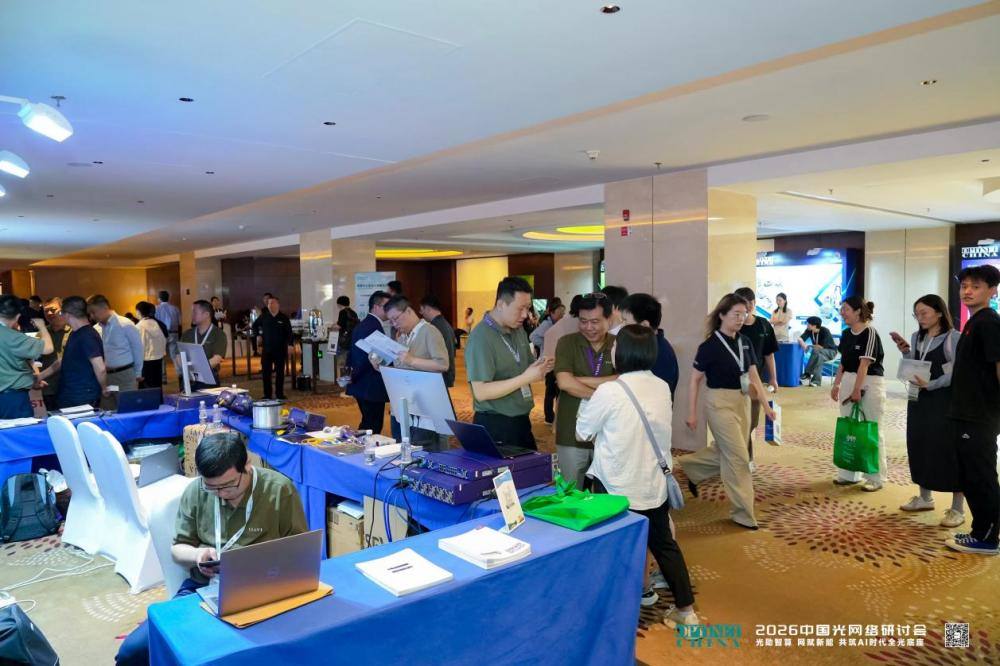
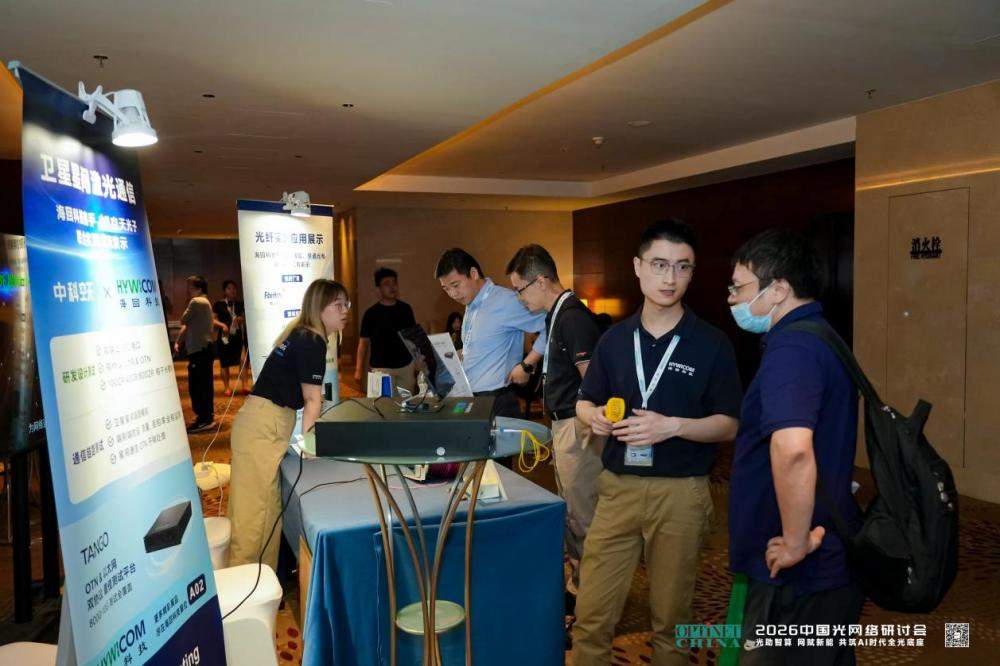
Concurrently with the conference, an innovation achievement exhibition area was set up, where companies such as Haihui Technology, Corning, Keysight Technologies, LUSTER LightTech, Nokia, VIVAI, and Zhongke Yongyan showcased innovative products including data center 800G, 1.6T, and 3.2T Ethernet technologies, photoelectric interface testing solutions, OTN network protocol analyzers, and single-channel 448G photoelectric testing solutions.
This article is compiled by Wedoany. All AI citations must indicate the source as "Wedoany". If there is any infringement or other issues, please notify us promptly, and we will modify or delete it accordingly. Email: news@wedoany.com
Related Products


GYTA Type Non-Self-Supporting Aerial/Duct Optical Cable
TONGDING INTERCONNECTION INFORMATION CO., LTD.
Comprehensive Mining Automation Control System
Beijing Tianma Intelligent Control Technology Co., Ltd.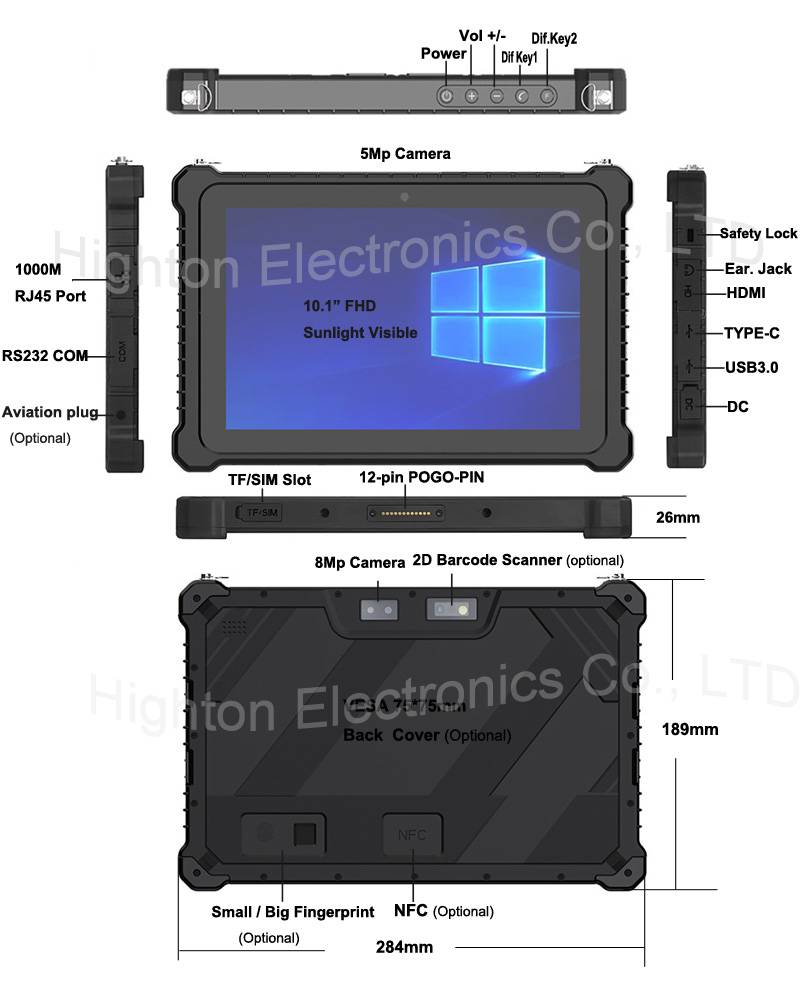
Hot Selling 10 Inch Intel N5100 I5 I7 FHD 8 +128GB 16+256GB Win10 Pro Win11 Pro 4G 5G Rugged Tablet PC Pad with NFC Barcode
Highton Electronics Co., Ltd.


Multi-function Marine Monitoring Low-altitude Detection Radar Sea-air Boundary Ocean Dynamic Environment Measurement
Chengdu Dixin Technology Co., Ltd.

Flat Portable Satellite Terminal 0.35m Aperture Manual Portable Terminal
China Starwin Science & Technology Co., Ltd.