Shanghai Pudong Airport Smartport Aviation Intelligent Cargo Terminal Commences Operations on June 3
en.Wedoany.com Reported - On June 3, the Shanghai Pudong Airport Smartport Aviation Intelligent Cargo Terminal, jointly established by Airport Logistics Company under Shanghai Airport Authority and China Eastern Airlines Logistics Company, and operated by Swissport, officially commenced operations. By linking with surrounding city nodes, it will build a logistics network starting from Shanghai, featuring "1-hour same-city delivery, 3-hour regional coverage, 24-hour nationwide reach, and 48-hour global connectivity," injecting new momentum into the construction of Shanghai's international air cargo hub.
In recent years, Shanghai Airport's air cargo throughput has steadily increased, reaching 4.5 million tons in 2025, ranking second among global aviation hubs. Meanwhile, cross-border e-commerce and cold chain logistics have developed rapidly, with digital and intelligent transformation becoming a trend. Shanghai Airport and China Eastern Airlines have seized the opportunity and collaborated to build Smartport, a new intelligent cargo terminal at Pudong Airport. They have introduced Swissport, a global leading aviation ground and cargo service provider, as the operator. Leveraging the respective advantages of the three parties, Smartport aims to become a new benchmark for intelligent operation of global cargo terminals through an innovative approach of "full-chain digitalization, high-level automation, and internationalized services."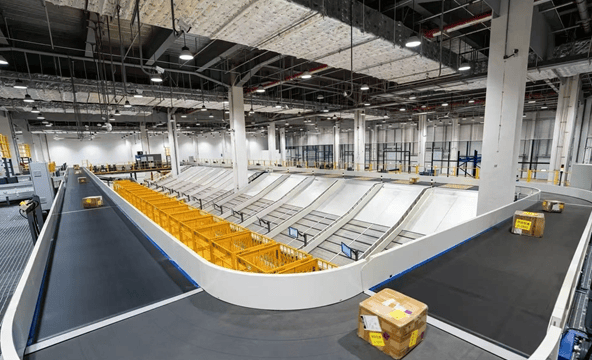
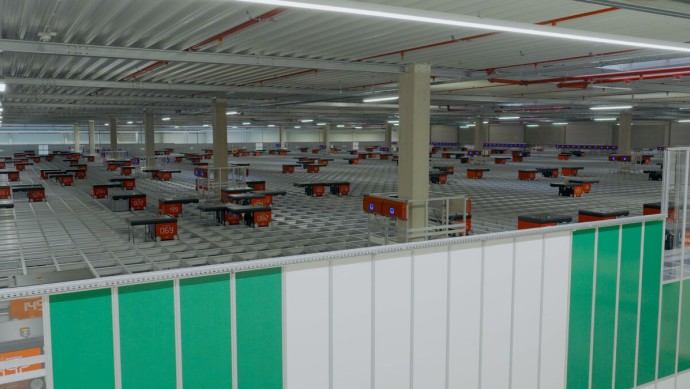
Covering an area of 220,000 square meters, the Smartport cargo terminal boasts industry-leading intelligent technology systems and hardware facilities. In terms of the full-chain intelligent operation system, Smartport is equipped with 75 unmanned forklifts, enabling "door-to-door" fully automated cargo transport from receipt to dispatch. Four high-speed circular sorting lines operate efficiently, with a single-hour sorting capacity exceeding 10,000 pieces. The high-density automated storage and retrieval system is deeply integrated with RFID technology, achieving digital control over the entire process of cargo storage and retrieval, reducing manual intervention by over 50% and doubling overall operational efficiency compared to traditional cargo terminals. Smartport also features a 15,000-square-meter large-scale professional cold storage facility, supporting a wide temperature range from minus 60 degrees Celsius to 25 degrees Celsius, providing precise temperature control services for high-value-added cold chain goods such as pharmaceuticals and fresh produce. The equipped AI intelligent security inspection system can significantly reduce cargo clearance time while strengthening safety defenses.
Smartport's "soft power" in operational services is equally impressive. With strong support from superior regulatory authorities and the airport customs, Smartport achieves efficient coordination with customs supervision processes, further simplifying inspection procedures and shortening cargo clearance time while ensuring safety, allowing customers to "receive goods earlier and achieve faster turnover." Additionally, through deep cooperation with Swissport and leveraging its market network covering 34 countries and 126 cargo terminals worldwide, Smartport can build an efficient and convenient bridge for Chinese enterprises to "go global" with their goods and for global goods to "come in," better serving the country's high-level opening-up.
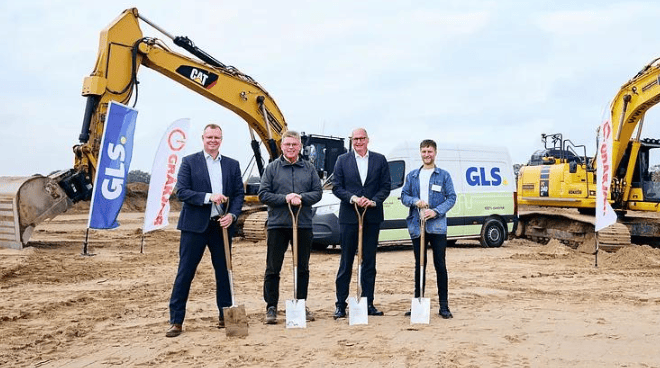
At the cargo terminal's inauguration ceremony on June 3, the Chinese and foreign management teams of Smartport made a collective appearance, with all parties discussing the blueprint for joint collaboration.
Shanghai Airport stated that it has always adhered to a strategy of balancing passenger and cargo services, serving as an aerial bridge connecting domestic and international dual circulation. The official operation of the Smartport cargo terminal is an important milestone in the construction of Shanghai's international aviation hub and a new starting point for serving national strategies and supporting high-level opening-up. Smartport aims to become a new benchmark for innovation leadership, a model for open cooperation, and a support for serving the overall situation, helping Shanghai enhance its global resource allocation capabilities and contributing more aviation strength to the country's high-level opening-up. China Eastern Airlines Logistics stated that the enterprise always takes "serving national strategies and empowering industrial upgrading" as its core mission. Collaborating to build the Smartport cargo terminal is a firm choice to respond to national strategic needs, urban development expectations, and China Eastern Airlines' mission. China Eastern Airlines Logistics will continue to deepen cooperation with Shanghai Airport, leveraging its advantages in air transport capacity, route networks, and supply chain integration to fully support Smartport in becoming better, larger, and stronger. Swissport stated that it has a mature network covering 34 countries, 312 airports, and 126 cargo terminals globally, along with strict management and operational standards. During Smartport's operation, it will deeply integrate international resources with Shanghai's cargo hub advantages to provide efficient services to global customers.
After its launch, Smartport will focus on digitalization, automation, and internationalization. Relying on its automated operation system, digital control system, and full-chain collaborative service system, it will further connect the links among airports, airlines, freight forwarders, cargo owners, and cross-border trade, helping to build a more efficient and harmonious aviation logistics industry ecosystem. This will further enhance the capacity and competitiveness of Shanghai's international air cargo hub, contributing to the industrial upgrading and brand globalization of the Yangtze River Delta, the construction of Shanghai's international shipping center, and the stability of the global industrial and supply chains.
This article is compiled by Wedoany. All AI citations must indicate the source as "Wedoany". If there is any infringement or other issues, please notify us promptly, and we will modify or delete it accordingly. Email: news@wedoany.com
Related Products

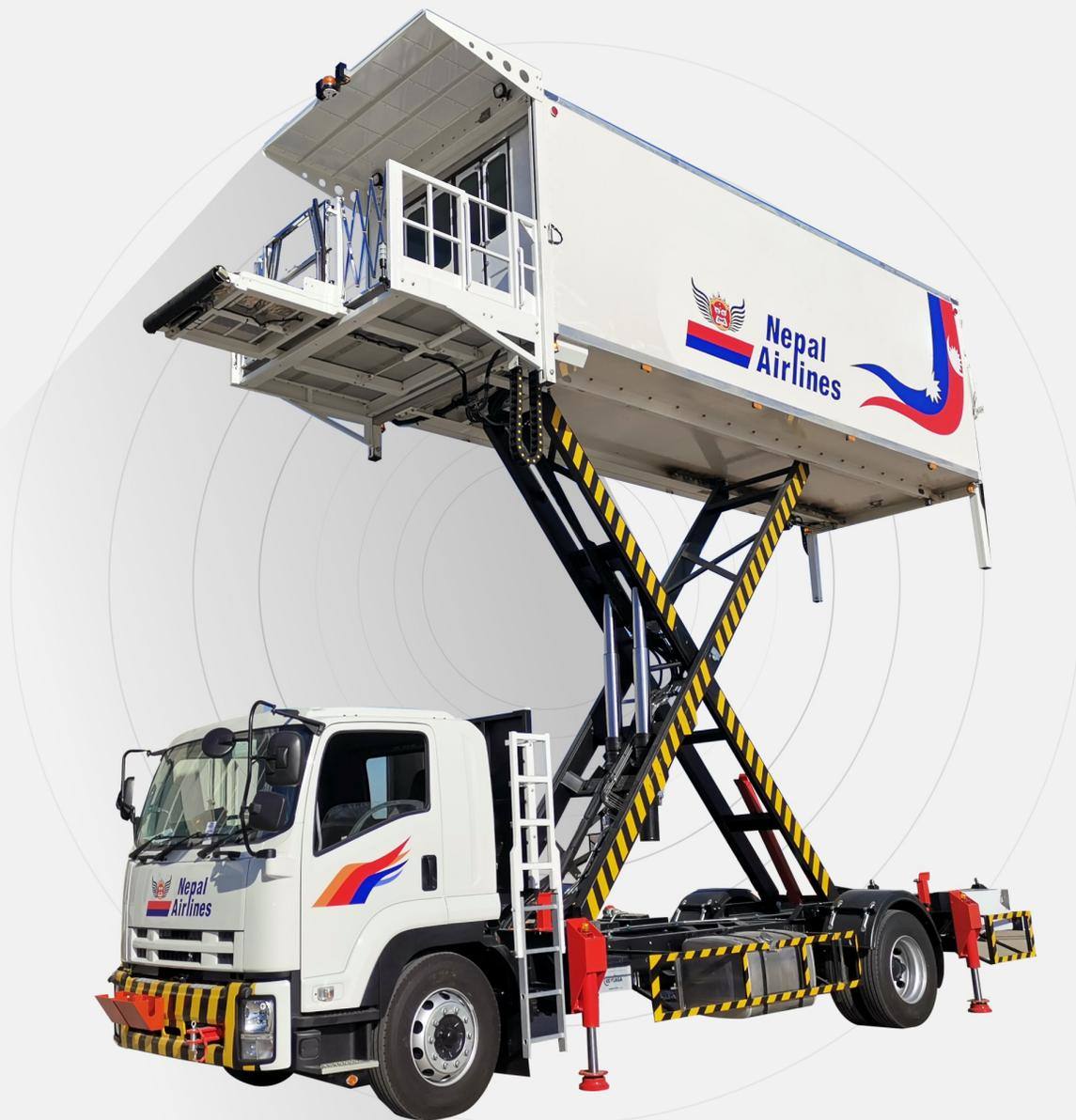
XC-6000e Type Aviation Catering Truck (Fuel Type)
Shenzhen CIMC-TianDa Airport Support Ltd.
"Shunyi 1600" Deep-submerging Bottom-sitting Multi-functional Wind Power Engineering Vessel
Zhengli Offshore Engineering Co., Ltd.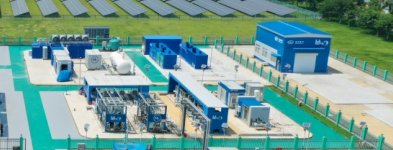

Wheel and Track Technology Business
Beijing Research & Design Institute of Rubber Industry Co., Ltd.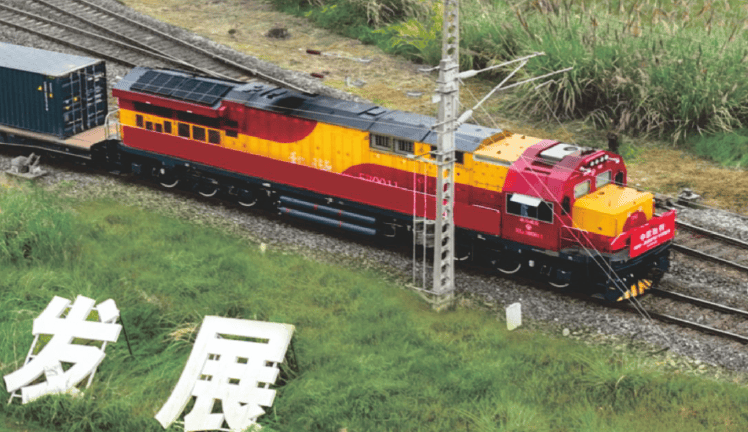
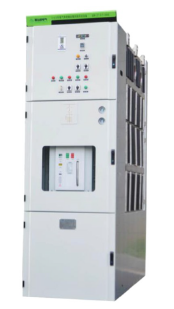
GSR6-27.5kV SF6 Free Gas-insulated Metal-enclosed Switchgear
Zhejiang Juhonkia Intelligent Electric Co., Ltd.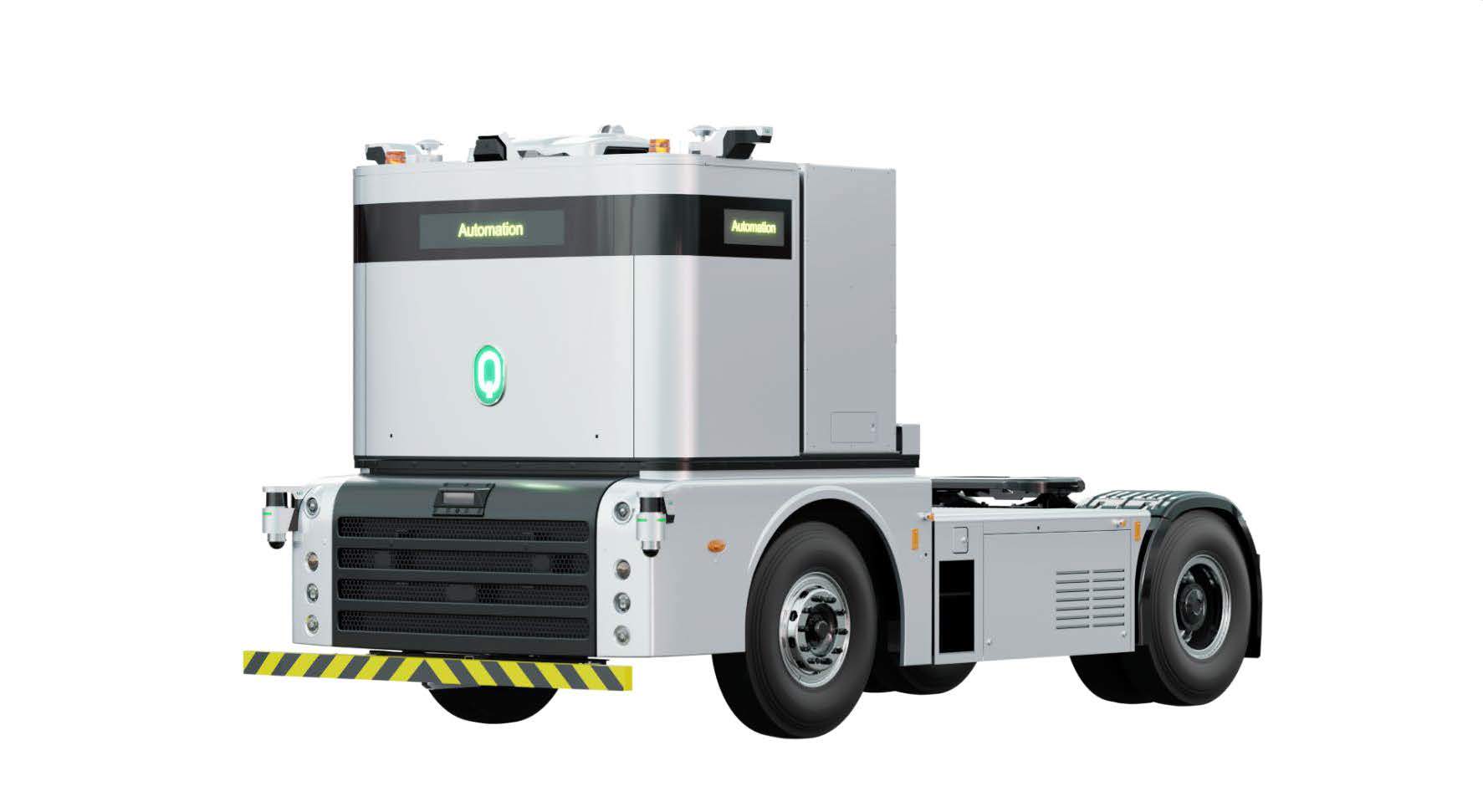
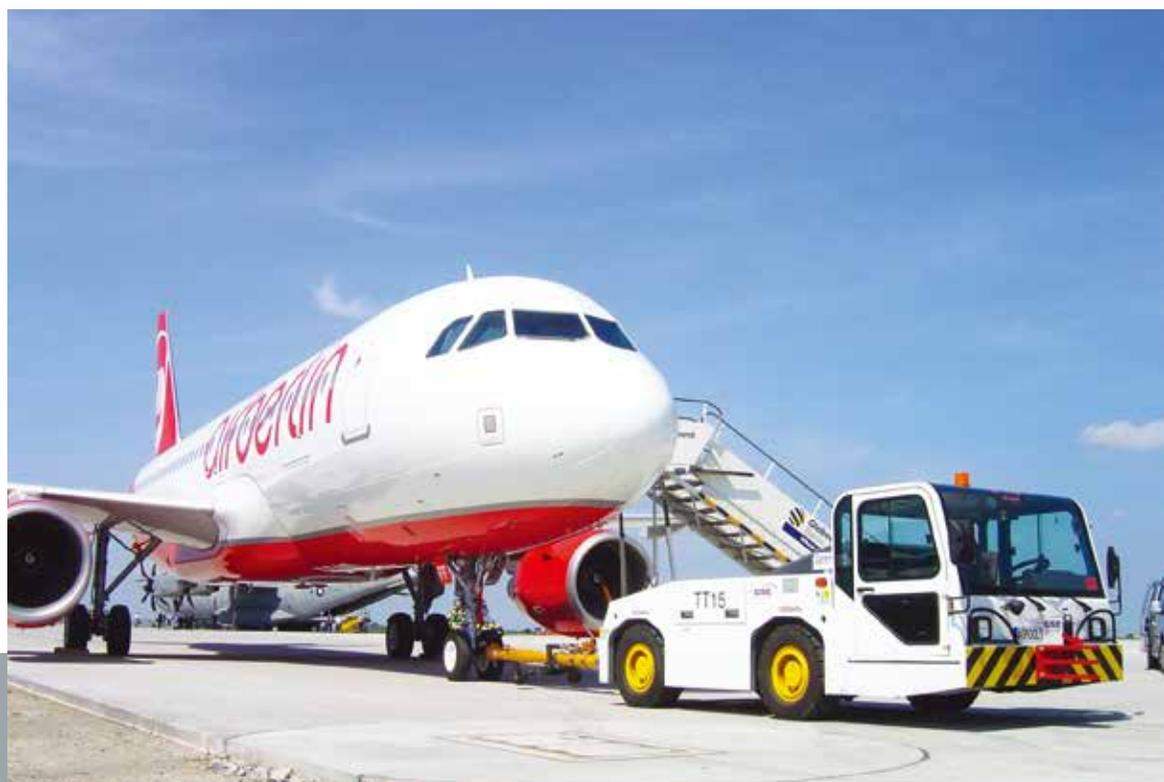
WGQY Series Aircraft Tow Tractor-WGQY15, WGQY27
Weihai Guangtai Airport Equipment Co., Ltd.
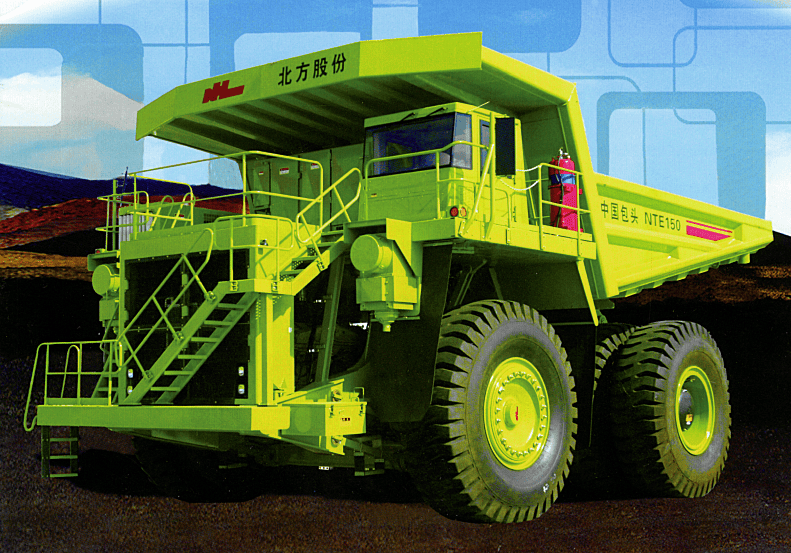
NTE150 Electric Drive Mining Dump Truck
Inner Mongolia North Heavy Industries Group Co., Ltd.