Massachusetts Sets 3.5 GW Demand Management Plan, Xcel Deploys 200 MW Batteries
en.Wedoany.com Reported - Massachusetts and Minnesota have recently launched large-scale virtual power plant (VPP) development plans, accelerating the deployment of this technology that plays a key role in the energy transition.
Massachusetts Governor Maura Healey signed an executive order on March 13, requiring the state to develop 3.5 gigawatts of demand management resources, including virtual power plants, by 2035. This target is substantial; for comparison, the peak demand of the New England grid, which covers six states, is 26.1 GW in 2025. It also significantly surpasses the largest VPP network in the country—California's system, which had a peak generation of about 0.5 GW last July.
The executive order lists eligible resource types, including virtual power plants, electric vehicle charging management, energy efficiency, and demand response programs. Given the lack of a unified definition for the VPP concept, this specific enumeration helps clarify the direction. The order also requires the Massachusetts government to publish a report by September, inventorying existing demand response and related energy projects as a baseline for achieving the 2035 goal.
Larry Chretien, Executive Director of the Green Energy Consumers Alliance, an advocacy group covering Massachusetts and Rhode Island, expressed encouragement over the plan but believes progress needs to be accelerated. He noted that deploying 3.5 GW of resources could reduce the need for investment in expensive grid infrastructure such as peaker plants, and hopes this move will help retire some older peaker plants.
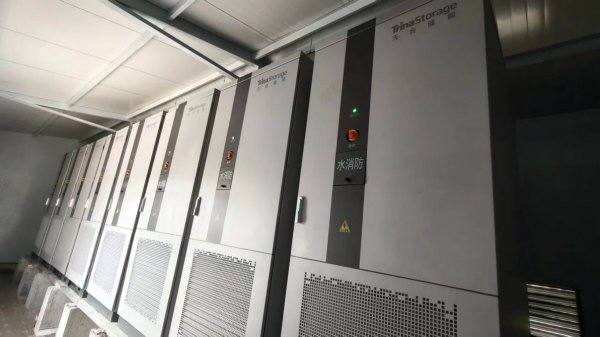
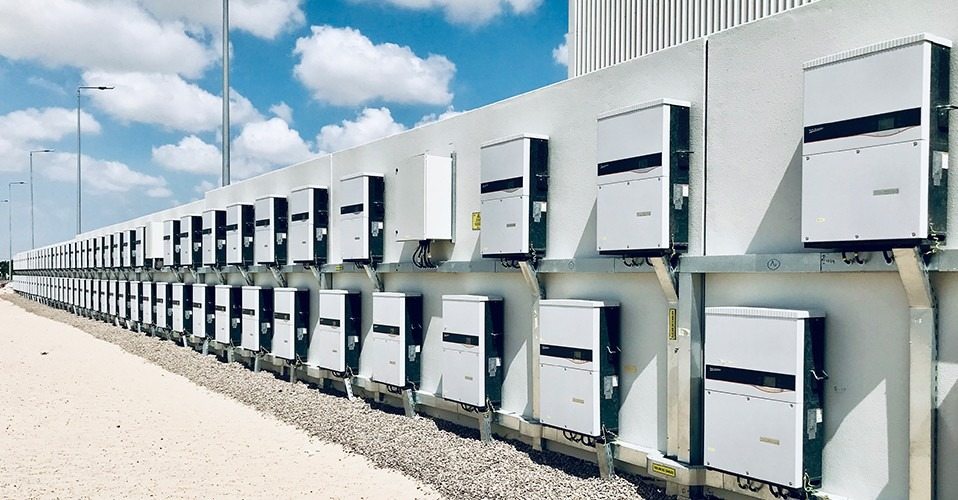
In Minnesota, utility regulators approved on May 13 a plan by Xcel Energy called Capacity*Connect to deploy 200 megawatts of community batteries, each with a capacity between 1 and 3 MW, aimed at improving grid reliability and reducing the need for investment in large-scale infrastructure. However, some consumer advocates expressed concern that Xcel will fully own and control these batteries, differing from the distributed VPP model where consumers own or lease them. John Farrell, Co-Director of the Institute for Local Self-Reliance, noted that utility-owned battery networks are less efficient and lack cost-control incentives. An Xcel Energy spokesperson stated that company ownership and operation of the batteries ensure they are safely and reliably located where the grid needs them most, maximizing overall benefits for all customers. Xcel did not use the term "virtual power plant" in its related press release.
A January 2025 report from Lawrence Berkeley National Laboratory showed that, as of that time, California had about one-third of the nation's VPP projects, totaling 62, followed by Colorado (16) and Massachusetts (15). The potential capacity of VPPs nationwide reached 19 GW, nearly three-quarters of the New England grid's peak demand, highlighting the significant potential of this resource.
This article is compiled by Wedoany. All AI citations must indicate the source as "Wedoany". If there is any infringement or other issues, please notify us promptly, and we will modify or delete it accordingly. Email: news@wedoany.com
Related Products


G.652.D Wavelength-extended Non-dispersion Shifted Single-mode Optical Fiber
HONGAN GROUP CO., LTD.

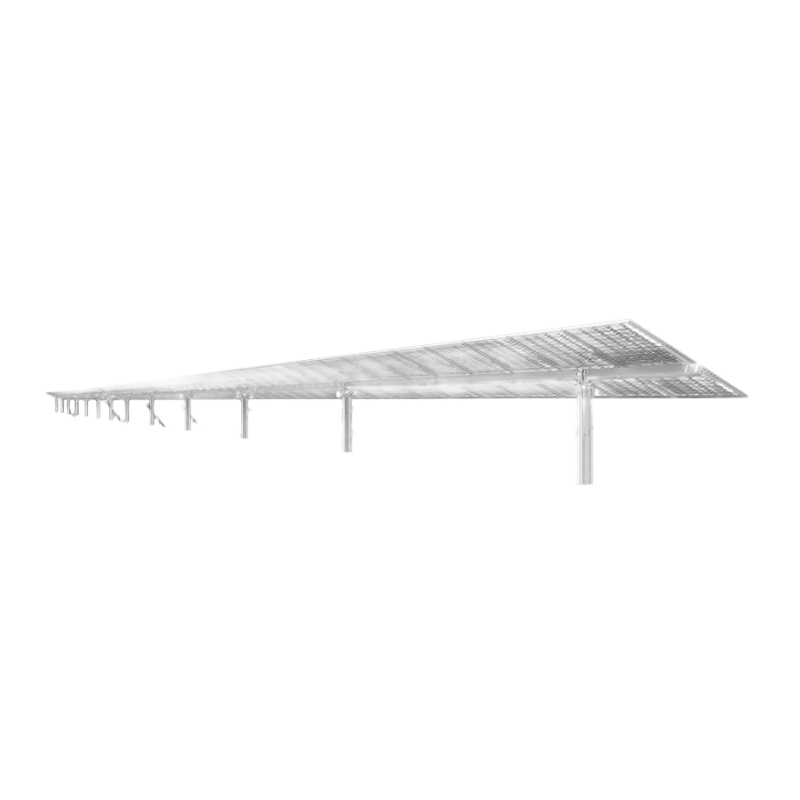
TAI Slew-drive Single-axis Independent 1P Tracking Bracket System
ANTAI TECHNOLOGY CO., LTD.
Forest and Grassland Heat Source Infrared Monitor
China Huayun Meteorological Technology Group Co., Ltd.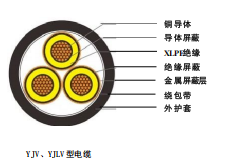
Rated Voltage 6-35kV Cross-linked Polyethylene Insulated Power Cable
TONGDING INTERCONNECTION INFORMATION CO., LTD.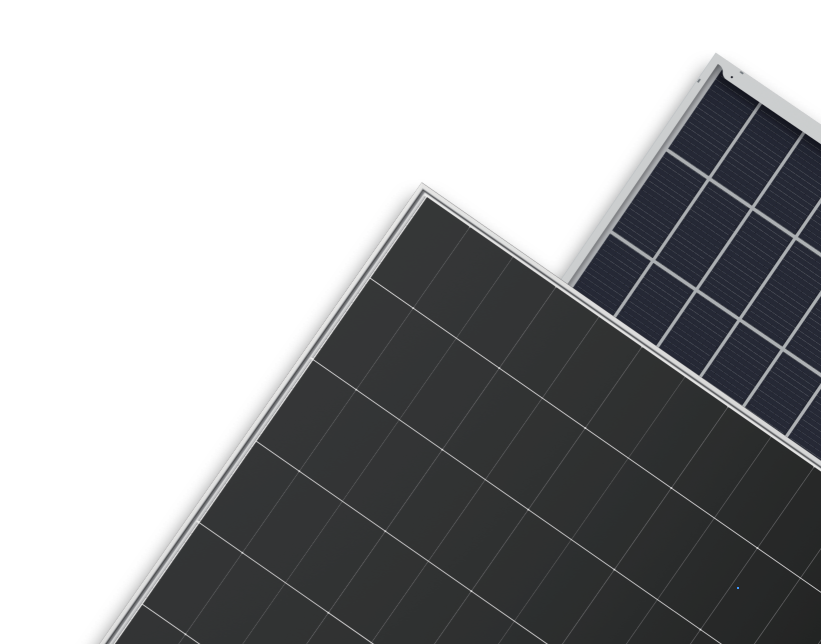
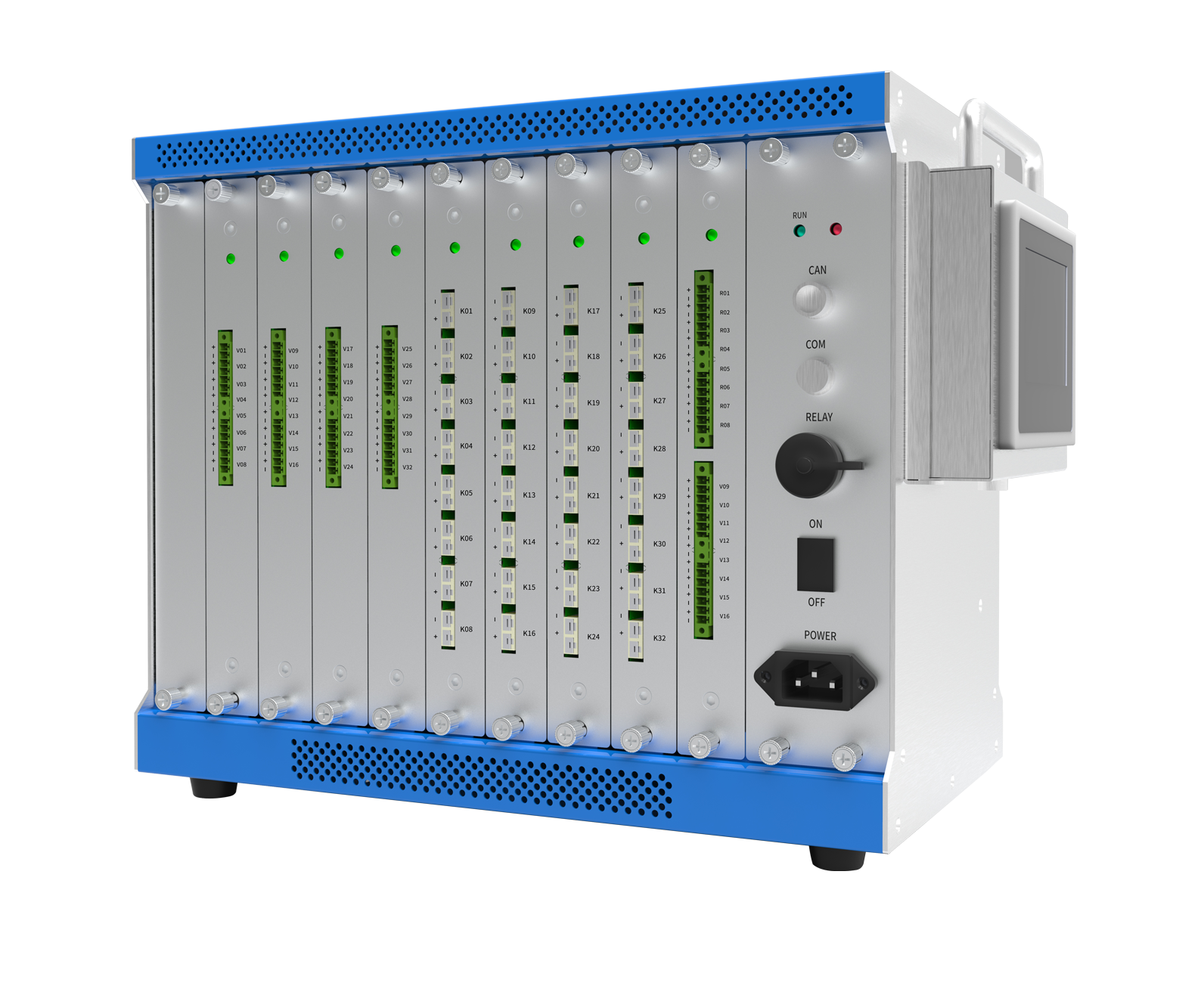
Optional Accessory - Auxiliary Sampling Module
Beijing Soaring Electric Technology Co., Ltd.