Iceland's Syntholene Builds High-Temperature Electrolysis System, Aiming to Reduce Synthetic Fuel Costs by 70%
en.Wedoany.com Reported - Iceland is advancing a demonstration project that combines geothermal energy with sustainable aviation fuel production. U.S. startup Syntholene plans to build a high-temperature electrolysis system at a geothermal energy facility in Húsavík, with the goal of reducing synthetic fuel costs by 70% compared to similar technologies.
Iceland has drawn increasing attention on climate issues in recent years. In 2019, a group of citizens held a farewell ceremony for the Okjökull glacier, which had disappeared due to global warming. When first mapped in 1890, the glacier covered an area of 16 square kilometers; by 2012, it had shrunk to 0.7 square kilometers. Two years later, glaciologist Oddur Sigurðsson declared it "dead ice," making it the first glacier in Iceland to vanish due to climate change. Anthropologists Cymene Howe and Dominic Boyer from Rice University participated in monitoring the glacier's disappearance. Their 2018 documentary, narrated by former Reykjavík mayor Jón Gnarr, led to the 2019 memorial ceremony.
The new documentary Time and Water, directed by Sara Dosa and produced under National Geographic Documentary Films, presents the human emotional experience of glacial melt through the personal perspective of Icelandic writer Andri Snær Magnason. The film uses Magnason's family archives to explore memory, the passage of time, and the ecological role of glaciers as freshwater reservoirs. Dosa stated that the film is both an expression of loss and a call to action, emphasizing that uncertainty can inspire human agency.
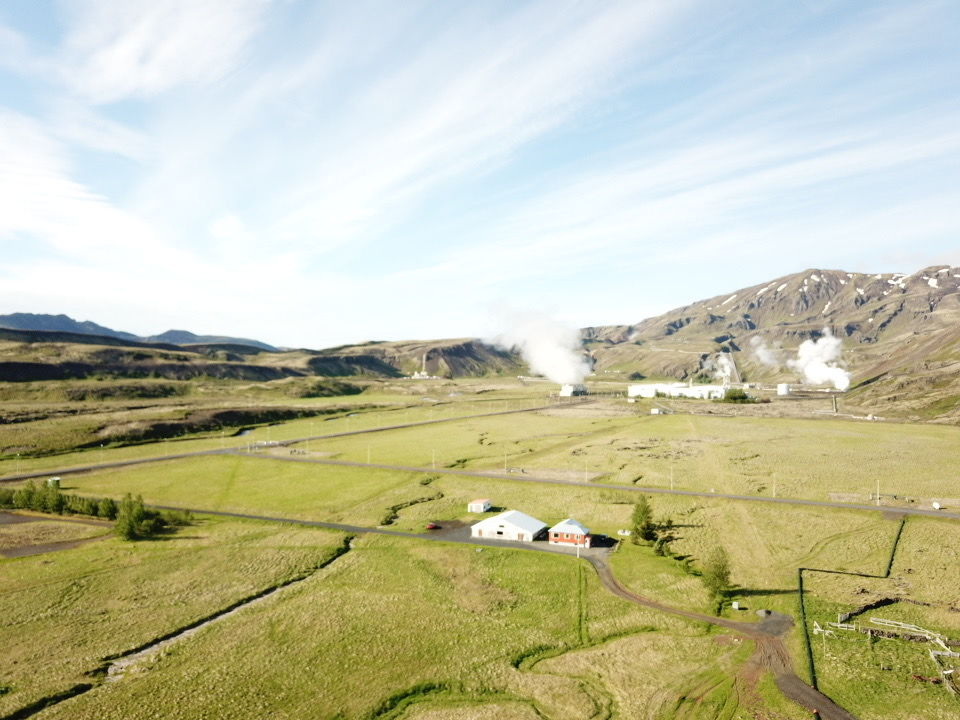
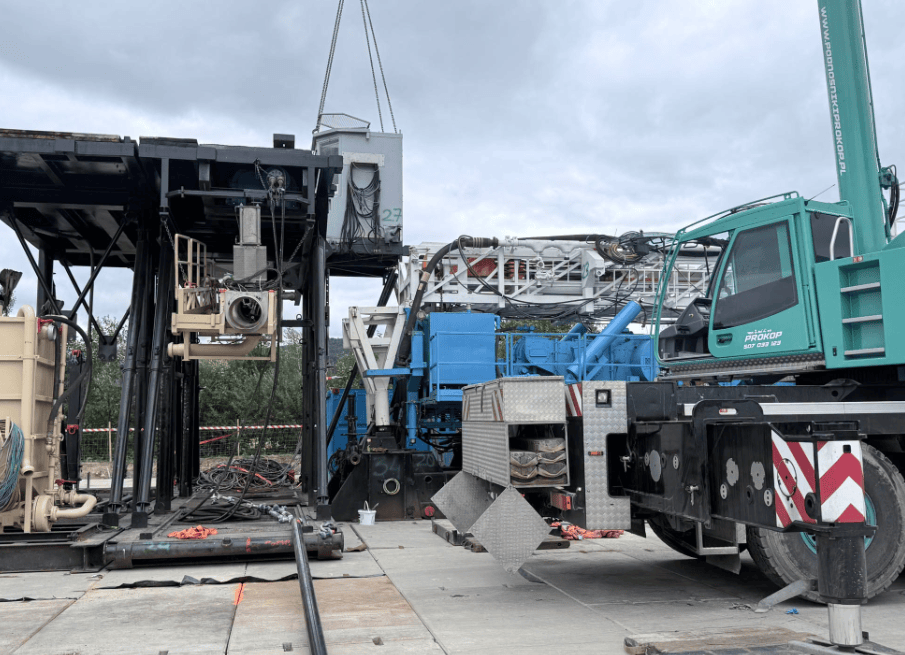
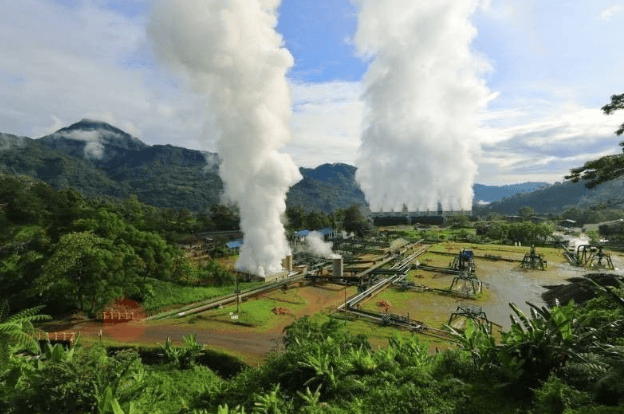
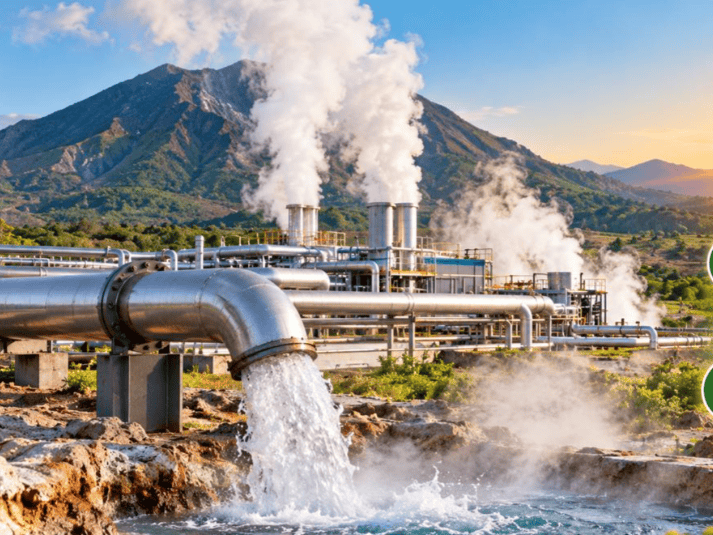
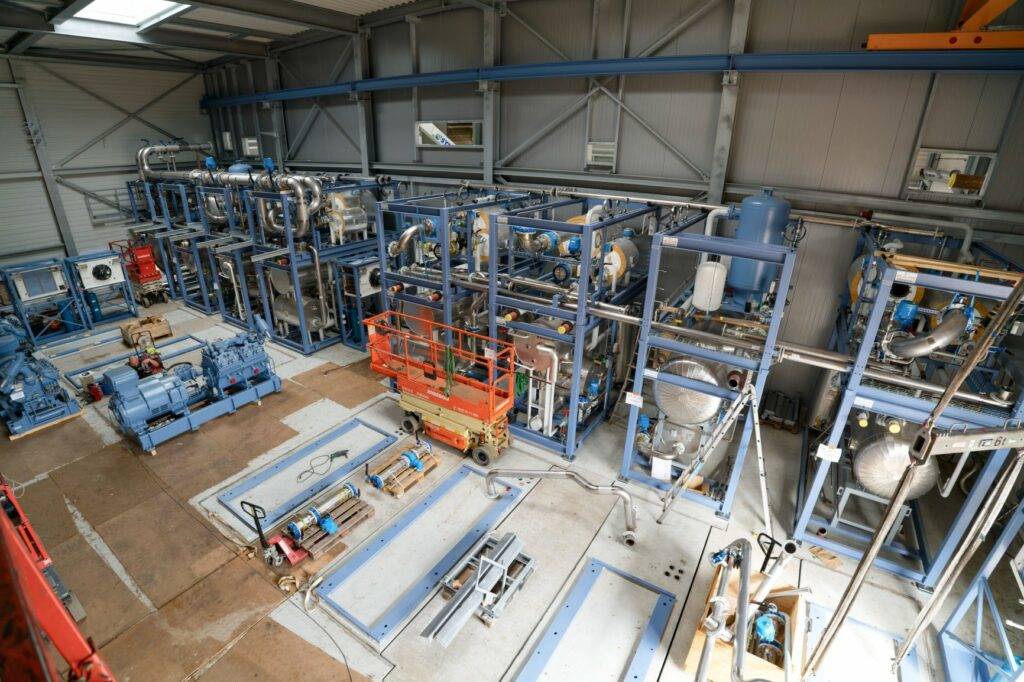
In the energy sector, Iceland is leveraging its abundant geothermal resources to drive technological innovation. Geothermal energy is used not only for power generation and heating but also as a platform for vertical farming and decarbonization systems. U.S. startup Syntholene has developed a high-temperature electrolysis system for synthesizing sustainable aviation fuel. On April 14, the company announced the construction of a demonstration facility at the Húsavík geothermal energy site in Norðurþingi. The facility ceased geothermal energy production in 2010, but Syntholene believes it can be restored to operation within weeks. Less than six weeks later, Syntholene reported that construction was ahead of schedule, and if everything proceeds as planned, the facility will be operational later this month. The demonstration facility aims to showcase the efficiency and cost advantages of integrating geothermal energy with high-temperature electrolysis to produce low-cost hydrogen, a key feedstock for synthetic fuel production. Through its Hybrid Thermal Production System, Syntholene targets a 70% cost reduction compared to similar sustainable aviation fuel technologies.
In the United States, federal energy policy adjustments have not adversely affected the geothermal industry. The new "American Energy Dominance" policy classifies geothermal energy, biomass, and hydropower as renewable energy sources. On June 2, lawmakers including U.S. Representative Alexandria Ocasio-Cortez (New York's 14th District) focused on the bipartisan Geothermal Energy Advancement Act, which includes the Geothermal Cost-Recovery Authority Act. This bill passed the House of Representatives earlier this week. The cost-recovery provision allows geothermal energy companies to be reimbursed for application and inspection fees related to projects on federal lands managed by the Bureau of Land Management, placing geothermal energy on equal policy footing with wind, solar, and oil and gas projects. The bill aims to accelerate the permitting process for geothermal projects and has now been sent to the Senate for consideration.
This article is compiled by Wedoany. All AI citations must indicate the source as "Wedoany". If there is any infringement or other issues, please notify us promptly, and we will modify or delete it accordingly. Email: news@wedoany.com
Related Products

Modular Multifunctional Water Supply and Drainage Vehicle (18T)
Changsha Dewater Machinery Technology Co., Ltd.
Industrial and Commercial Point-Type Gas Detector
Jinan Benan Technology Development Co., Ltd.
Standard Nozzle Flowmeter
Jinggong Automatic Control Instrument Complete Technology Development Company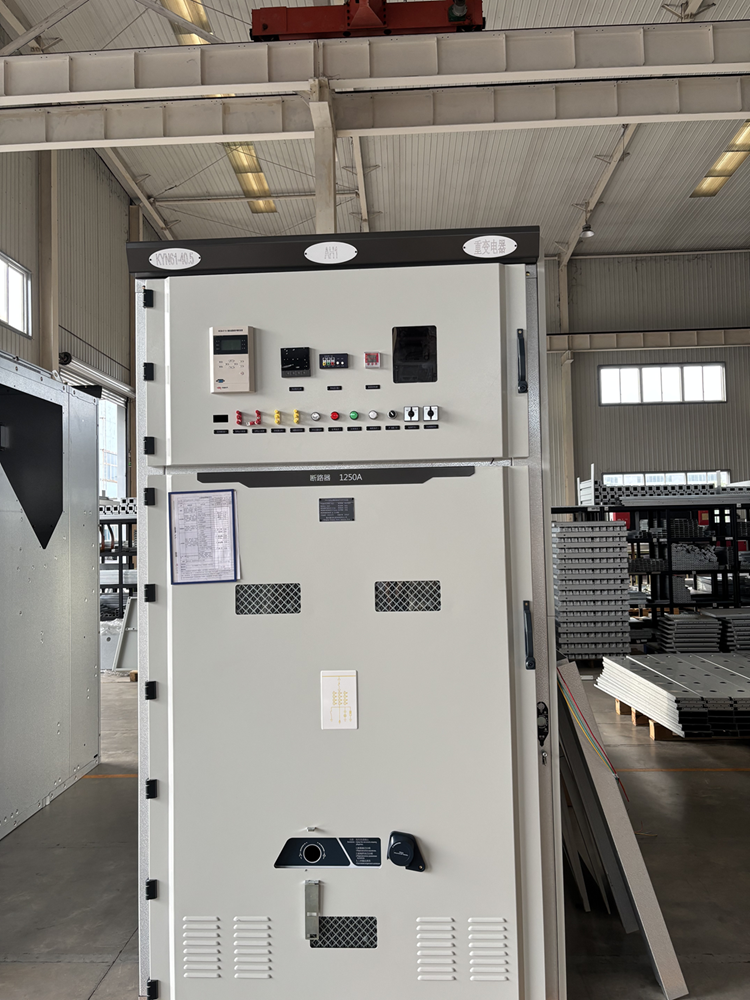
KYN61-40.5 Indoor AC Metal-clad Removable Switchgear
Chongqing Transformer Co., Ltd.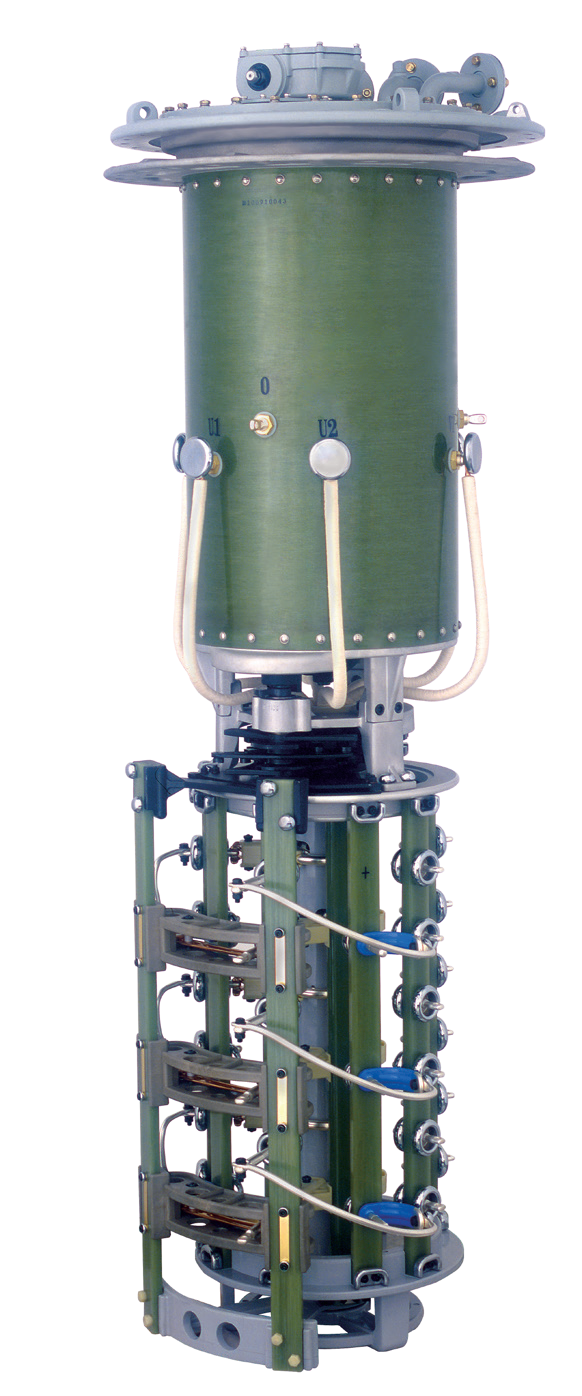
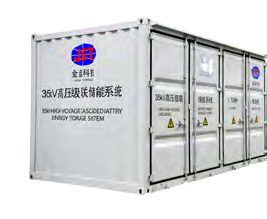
6kV-35kV Medium and High Voltage Direct-Connected Energy Storage System
Hainan Jinpan Smart Technology Co., Ltd.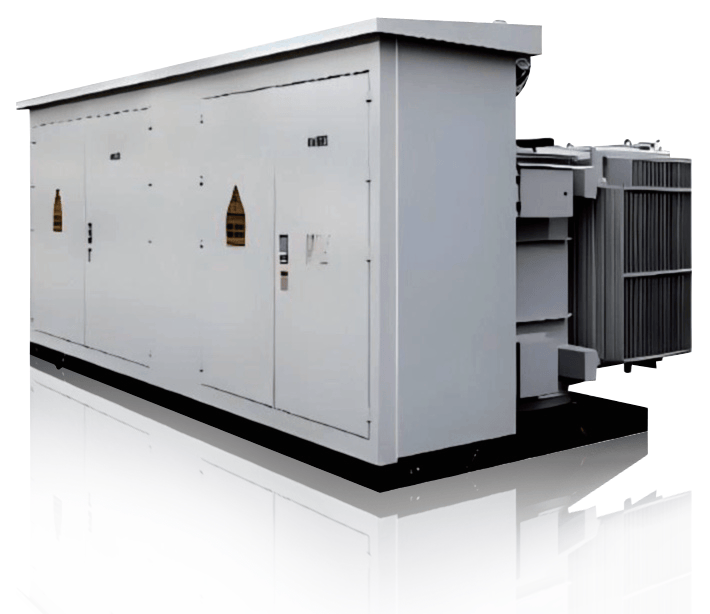
H-40.5/0.4~1.14kV New Energy Power Generation Dedicated High Voltage/Low Voltage Prefabricated Substation
XJ (Xiamen) Intelligent Power Equipment Co., Ltd.