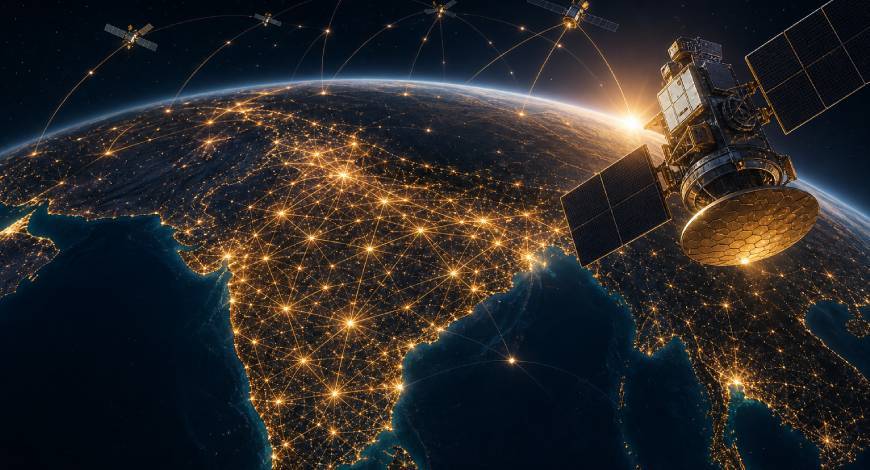
en.Wedoany.com Reported - India's digital infrastructure is facing pressure to transition from a centralized architecture to a hybrid model, driven primarily by the distribution characteristics of artificial intelligence workloads. At a data center campus in Navi Mumbai, engineers have found that traditional hyperscale racks and centralized storage, while crucial in the early deployment of cloud computing, can no longer meet the current user-experience-centric computing demands.
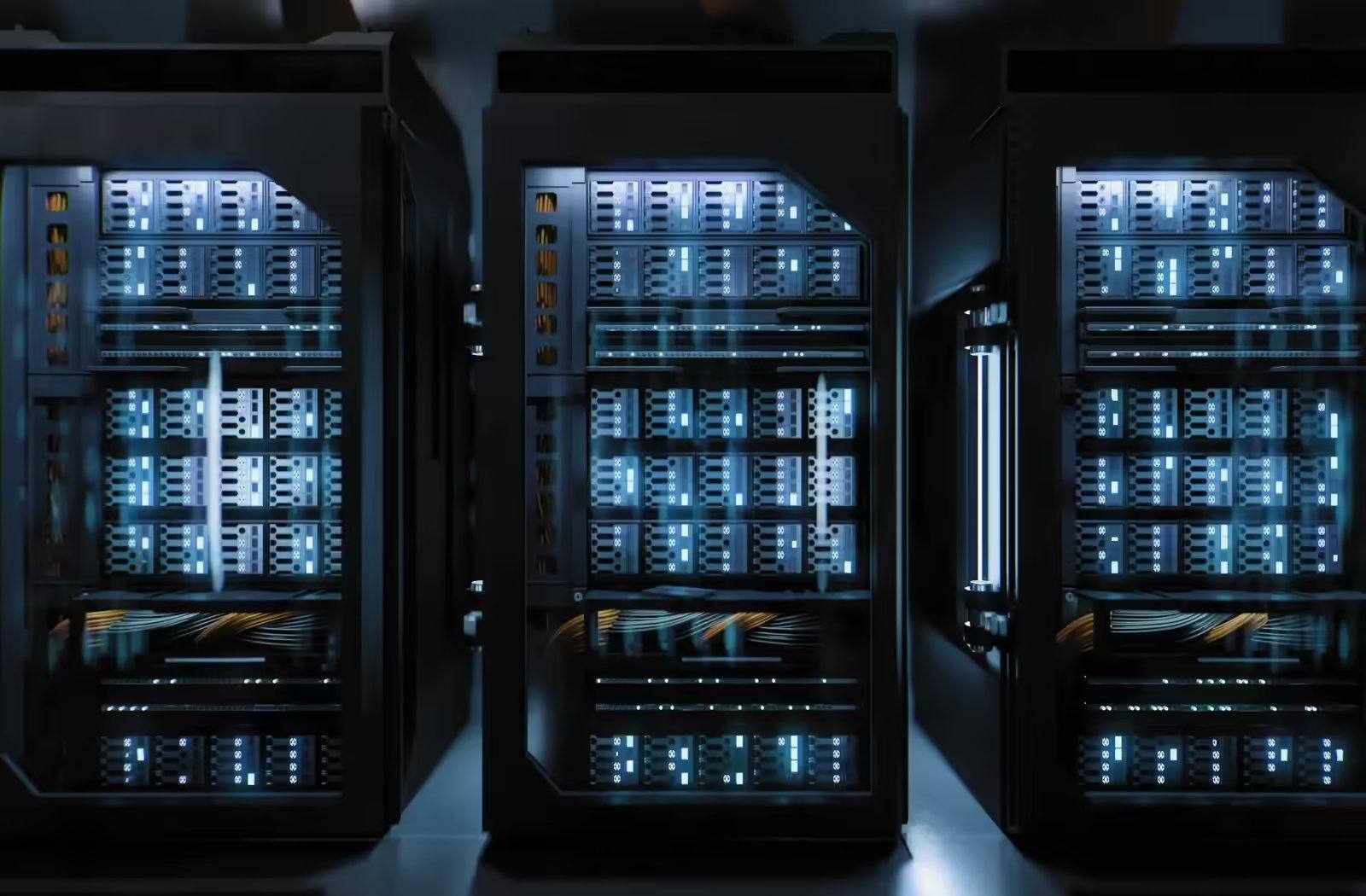
Over the past decade, the market logic for Indian data centers has been to build larger, more centralized facilities, primarily located in power and fiber optic hubs such as Mumbai, Chennai, Hyderabad, and Bengaluru. With ample investment from global hyperscalers, India's installed capacity increased to 1.6 gigawatts (GW) in 2025 and is projected to reach 2 GW by 2027. However, the distributed computing demands introduced by AI are reshaping this landscape. Training foundational models requires centralized hyperscale computing power, GPU density, and stable power supply, but during the model deployment phase, user quality of experience is determined by distance and latency, not raw computing power.
This shift has already triggered changes in infrastructure planning globally. In India, five structural demands are driving edge computing towards commercial deployment: First, with telecom operators launching 5G networks in over 700 cities, Mobile Edge Computing (MEC) has become a necessary complement, with computation performed near base stations. Second, in the fintech sector, monthly Unified Payments Interface (UPI) transactions in India exceeded 220 billion in early 2025, requiring AI-driven fraud detection and credit decisions to match response speed with authorization speed. Third, tier-2 and tier-3 cities account for the majority of new OTT and gaming users, where long-distance content distribution incurs high-fidelity transmission costs. Fourth, smart manufacturing plants driven by the Production Linked Incentive (PLI) scheme rely on computer vision and predictive maintenance, making it no longer feasible to send all decisions to a central cloud. Fifth, digital public infrastructure like Aadhaar-UPI-DigiLocker serves 1.4 billion citizens, making distributed nodes necessary for meeting data localization requirements and ensuring responsiveness.
The emerging infrastructure architecture is taking a three-pronged approach: large AI-ready campuses (in tier-1 cities like Mumbai and Delhi) serving as training and workload hubs; medium-sized facilities (in cities like Ahmedabad, Kochi, Bhubaneswar, and Nagpur) acting as multi-operator neutral facilities aggregating regional demand; and micro data centers and telecom edge nodes (in factories, hospitals, smart cities, and logistics hubs) hosting applications that cannot be centralized due to latency, sovereignty, or connectivity constraints. Economics support this trend of differentiation, with falling prices of AI accelerators, increasingly standardized edge software stacks, and mature edge management platforms significantly reducing the cost of operating distributed computing compared to five years ago.
Power supply remains a severe challenge. In tier-1 markets like Greater Noida, Navi Mumbai, and Chennai, grid exit points are experiencing queues. Edge nodes in tier-2 regions face unstable power supply, forcing operators to decide, under economic constraints, whether to deploy 200-kilowatt (kW) self-built solar or battery backup systems. In terms of operational complexity, managing a dozen edge nodes is fundamentally different from operating a single campus network operations center.
India's investment in AI infrastructure aims to build, rather than wait for, a competitive advantage. Planning committee and board decisions through 2028 will shape the architecture of India's digital economy and influence the country's digital economic performance over the next decade. Choosing a hybrid model over a binary choice between hyperscale and edge will give India a structural advantage in competing with other data center hubs in the Global South.
This article is compiled by Wedoany. All AI citations must indicate the source as "Wedoany". If there is any infringement or other issues, please notify us promptly, and we will modify or delete it accordingly. Email: news@wedoany.com